Latest stories – पछिल्ला टिप्पणीहरू

  • India: Ten Years After

    sarojini nagar market
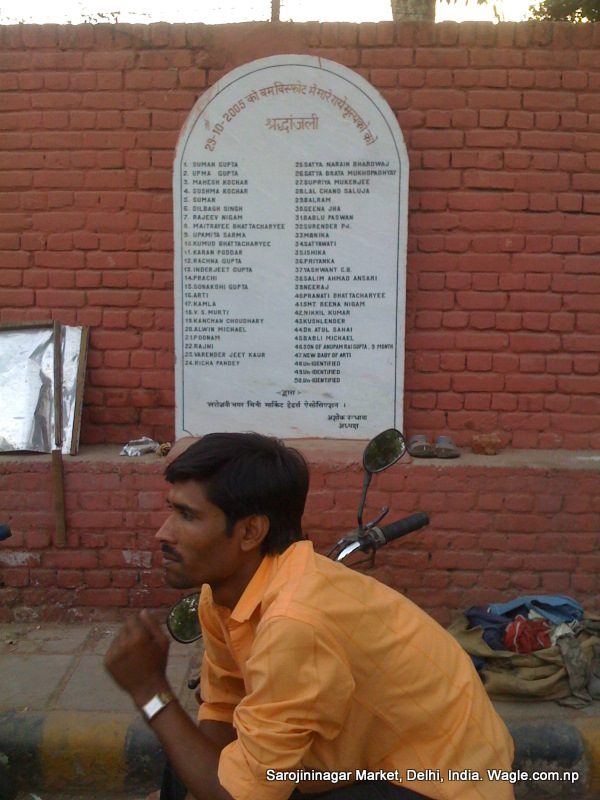
    It was a sobering moment when I recently saw a plaque erected beside a wall at Delhi’s another well-known market in Sarojini Nagar. “Condolence to those who died in the bomb blast on 29 Sept 2005,” said the plaque. It listed the names/identities of 47 people. A total of 50 people died on that day. Three of them couldn’t be identified.

    On the last day of 2009, India’s Home Minister P. Chidambaram appeared before the media as part of his monthly schedule to provide his assessment of the security situation in the country. The next day’s headline quoted the minister, “Eventful, but peaceful year.” That’s a jolly good headline to begin a new year with. In a country like India that is so wide and so populous, it is indeed a feat to make a year “eventful but peaceful”. Particularly so for a country that is so targeted by terrorists of different kinds and that cannot recall a year in recent times being peaceful in the true sense of the word.

    Forget about the November 2008 terror attacks in Mumbai that dominated the “peaceful” year of 2009. Just look at the major markets in Delhi, for example, and you can see the scars everywhere. The Flower Market at Mehrauli was hit by a bomb in September 2008. The famous Karol Bagh market witnessed a blast in the same month that year. Blasts also rocked the markets at Connaught Place and Greater Kailash. It was a sobering moment when I recently saw a plaque erected beside a wall at Delhi’s another well-known market in Sarojini Nagar. “Condolence to those who died in the bomb blast on 29 Sept 2005,” said the plaque. It listed the names/identities of 47 people. A total of 50 people died on that day. Three of them couldn’t be identified.

    Visitors to every major market in Delhi have to pass through metal detectors seen only at very important locations such as Singha Durbar, the central administrative complex, and airports in Nepal. Many of the security equipment installed in Delhi’s markets have become dysfunctional because, after all, Delhi is Delhi — the capital of India. The impaired detectors remind us of the fact that India, despite its recent economic growth, remains India, an improvised nation of a billion plus citizens with millions still in poverty. And those places with useless security equipment could still be vulnerable to attacks. If untoward incidents didn’t happen in 2009, it was not entirely because of the strong vigilance and policing, but perhaps because the terrorists were busy in other activities.

    sarojini nagar market

    May such blasts never occur in Delhi, but the bright fact is that Indian society is vibrant and its power to get over such attacks has grown over the years. The critically acclaimed 2008 movie Mumbai Meri Jaan, based on the July 2006 train bombings in Mumbai that killed 209 people and injured over 900, tells it best. Whatever happens, life goes on. You survive to live your life. In fact, India is too big to be intimidated by such attacks and incidents. Society can get over the wounds quickly and move on. The pace is increasing as ever. As the New Year rung in, Indians welcomed it with a bang. Delhi was completely soaked in celebrations and parties. Big hotels and expensive restaurants were booked to their full capacity. Entry fees alone for many of the parties were in the range of Indian Rs. 10,000 per couple.

    While providing his assessment, the home minister didn’t forget the Maoist insurgency that is spreading all over India and remained in the headlines throughout the year 2009. Termed the greatest internal security threat to India by its prime minister, the problem that is igniting Maoism in India is certainly a grave challenge for this country. “I am disappointed over the Lalgarh situation,” said the minister referring to the district in West Bengal that hosted a major part of the Maoist agitation last year. “It’s pretty depressing,” he said.

    Depressing it certainly is, but overall, the situation in India is pretty encouraging. Some headlines are even more enthusiastic. Under the banner headline “Happy New Decade, India”, the Indian Express on the first day of the new year published the findings of a study that said, among other things, even if no reforms happen, India’s GDP can grow at an average annual rate of 9.6 percent for the next 10 years. “Nine percent growth for 10 years with no reforms — that’s how well-placed India is as 2010 begins,” it said. With rapid reforms, it said, India could achieve even more. Even without reforms, the per capita income will grow at an average of 8 percent per year. By the end of the decade, incomes will be almost double compared to now. Roughly 800 million Indians will be middle class — defined as those earning between IRs. 75,000 to Rs. 10 lakh a year — out of an end-of-decade population of 1.3 plus billion.

    Going by the findings, it seems another challenge to the Indian government is reform because reform is directly related to the Maoist problem. If there are no reforms (policy status quo), and growth is 9 percent plus, more than 250 million people (out of 1.3 billion plus) will still be very poor in 2020, according to the study. The number of Indians not literate will fall by 10 million in 10 years, but that will still leave nearly 200 million non-literate citizens. The more poor and non-literate people in society, the more intense are the movements like that of the Maoists. The study says only drastic reforms in fiscal, education and other policies will help India become the global powerhouse that its citizens so badly want it to be.

    This article appeared on today’s Op-Ed of the Kathmandu Post

  • भारतमा दाहालको मन्तव्य

    भारतमा दाहालको मन्तव्य
    ठुलो पार्न तस्बिरमा क्लिक गरे हुन्छ

    दिनेश वाग्ले
    वाग्ले स्ट्रिट जर्नल

    ‘तुम्हारा प्रचण्ड ने क्या कहदिया यार,’ माओवादी अध्यक्ष पुष्पकमल दाहालले नयाँ बानेश्वर वक्तव्य दिएको भोलिपल्ट एक भारतीय मित्रले फोन गरेर सोधे, ‘डाइरेक्ट इन्डिया से बात करना चाहते हे ओ ! क्या वात भाइ नेपाल कबसे गोर्खाल्यान्ड हो गया ?’

    समाचार लेख्नुबाहेक दिल्लीमा नेपाली संवाददाताको अर्को काम हुन्छ – भारतीयहरूसँगका गफमा नेपालको प्रतिरक्षा गर्नु । कतिपयलाई हाम्रो मुलुकका गतिविधि’bout थाहै हुँदैन, भए आंशिक हुन्छ र त्यसैअनुसारको दृष्टिकोण बनेको पाइन्छ । कुनै घटना हुँदा म राजनीतिक पक्ष नलिई भारतसँगको सन्दर्भ जोड्दै नेपालको स्वार्थ मिल्ने गरी अर्थ्याइदिन्छु । तर यसपालि माओवादी अध्यक्ष पुष्पकमल दाहालले कुनै ठाउँ दिएनन् ।

    भारतीय विदेश मन्त्रालयका अधिकारीदेखि भारतीय राष्ट्रिय स्वार्थ बोकेका विश्लेषक र पत्रकारसँग शिर ठाडो बनाएर कतिपय भारतीय नीतिको खुलेआम विरोध गर्दा मलाई कुनै अप्ठेरो हुँदैन । नेपालमा भारतविरोधी जनभावना, सीमामा भारतीय मिचाइँ, दिनुपर्ने पारवाहन सुविधा नेपाललाई नदिएको जस्ता कुरा गर्दै कहिलेकाहीं भारतीयहरूलाई प्रश्न गर्छु- ‘चीनले नेपाल जोड्ने राजमार्ग बनाउँदा भारतलाई किन टाउको दुख्नुपर्ने ? नेपालको विकास चाहने हो भने भारतले पनि काठमाडौंमा रेल पुर्‍याए हुँदैन ?’ ‘चीन’ को नाम लिनासाथ तर्किने भारतीयहरूसँग त्यसरी कुरा गर्दा पनि गाह्रो भएन तर दाहालको बानेश्वर वक्तव्यले लाजमर्दो अवस्थामा पुर्‍याइदियो । भारतीयहरू आफैलाई दाहालको कुरा सुन्दा अप्ठेरोमा परेको देखियो ।

    ‘प्रचण्डले हालै नेपालमा नागरिक सर्वोच्चता पुनस्र्थापना गर्न रिमोटबाट नियन्त्रित काठमाडौंको सरकारसँग कुरा गर्नुसाटो सीधै भारतीय मालिकहरूसँग वार्ता गर्ने बताए,’ दिल्लीको प्रभावशाली पत्रिका हिन्दुस्तान टाइम्सले शनिबार मुख्य सम्पादकीयमा लेख्यो- ‘त्यो बालरोदन र पूर्वप्रधानमन्त्रीले गर्न नसुहाउने कुरा हो ।’ पत्रिकाले ‘नेपालका झगडालु राजनीतिज्ञहरू आफ्नो अवस्था आफै सम्हाल्न नसक्दा भारतलाई शत्रुको रूपमा कति धेरैपटक प्रस्तुत गर्छन् भने अब त्यो अल्छीलाग्दो बन्न थालेको छ’ भनी टिप्पणी गरेको छ । ‘वर्षौदेखिको हतियारधारी संघर्षको अन्त्य र अलोकपि्रय राजाको बहिर्गमनपछि राजनीतिज्ञहरूले देशमा विकास निर्माणका के काम गरे भनेर नेपाली जनताले सोध्न सक्छन्,’ पत्रिकाले लेखेको छ- ‘कुनै बेला देशको आम्दानीको प्रमुख स्रोत बनेको पर्यटन पूर्वाधार बलियो तुल्याउन कुनै प्रयास भएको छैन । आन्दोलनहरूले नियमित ढंगमा स्कुल र कलेज बन्द हुन्छन् जसले विद्यार्थीहरूलाई पढाइबाट बन्चित बनाएको छ ।’

    नेपालले भारतमा ‘खराब प्रेस’ पाएकै साता भुटानका नयाँ राजाले भारतको पहिलो राजकीय भ्रमण गरे । दिल्लीमा आयोजित एक कार्यक्रममा उनले भाषण गरे र भारतीय मिडियामा भुटानको प्रशंसा र प्रगतिका विज्ञापन/समाचार छापिए । लाखभन्दा बढी जनतालाई भगाएर राजाकै नेतृत्वमा लोकतन्त्र स्थापना गरेको ढोङ् भुटानले पिट्दा विश्वले त्यसलाई पत्याएको छ किनकि त्यहाँ जनताले सुख पाएको र देशले प्रगति गरेको देखाउने तथ्याङ्कहरू बाहिर आउँछन् । नेपालबाट बाहिर आउने कुराचाहिँ यस्ता छन्- तीन दिन हडताल, जनतालाई सास्ती, स्कुल बन्द । सानो कुरामा झगडा गर्ने नेपाली राजनीतिज्ञहरूको छवि एउटा हड्डीका लागि मरिहत्ते गर्ने खिच्चाहरूको जस्तो देखिन्छ ।

    भारतीय सेना प्रमुख दीपक कपुरको गत साता कान्तिपुरमा प्रकाशित टिप्पणीलाई माओवादीले महत्त्वका साथ लिनुमा भारतीयहरूका अगाडि हामी कति साना र निरीह छौ भन्ने झल्किन्छ । नेपाली प्रधानसेनापतिले नेपाली दूतावासमा दिएको रिसेप्सनमा आएका भारतीय सेनाप्रमुखसँग जम्काभेट हुँदा मैले नेपाली शान्ति प्रक्रिया’bout तिनको धारणा के रहेछ भनी बुझ्न चाहेको थिएँ । भारतीय विदेश नीतिमा यहाँको सेनाको कुनै भूमिका हुँदैन भन्ने मलाई थाहा नभएको होइन । कपुरले त्यस्तै भने जो यसअघि मैले अनौपचारिकरूपमा सुन्दै आएको

    थिएँ । भारतीय सेनाले कुनै पनि विद्रोहीहरूलाई समाहित गरेको छैन र कपुरका भनाइमा त्यही प्रतिविम्बत थियो । हाम्रो मामिला’bout छिमेकी मुलुकका सेनाप्रमुखका विचार थाहा पाउँदा ठीकै हुन्छ होला भन्ने ठानेर त्यसलाई प्रस्तुत गरियो । भोलि अर्को एउटा भारतीय नेताले एउटा कुरा गर्ला, पर्सी अर्कोले । अनि हाम्रो देशको सबैभन्दा ठूलो पार्टीका सबैभन्दा प्रभावशाली नेताले चाहिँ सडकदेखि सदनसम्ममा ठूलो स्वरमा त्यसको उल्लेख गर्दै समय बिताउने ? भारत रिझाउने र दुखाउनेमै देशको राजनीति केन्दि्रत भइरहने ?

    ‘सबैलाई थाहा भएकै कुरा हो,’ नेपाली राजनीतिक वृत्तमा समेत चर्चित र दिल्लीले नेपाल हेर्ने सन्दर्भमा प्रभावशाली भारतीय प्राध्यापक एसडी मुनिले मेरो एउटा प्रश्नमा भने- ‘नेपालका धेरैजसो राजनीतिक नेताहरू भारतीय स्रोतहरूबाट समर्थन र आधिकारिकता खोज्छन् । आत्मसम्मान भएका नेपाली जनताका लागि त्यो दुर्भाग्यशाली र बेइज्जतीपूर्ण कुरा हो ।’ पछिल्लोपटक मुनिको चर्चा दाहालको सिंगापुर यात्रासँग जोडिएर भएको थियो । बिरामी गिरिजाप्रसाद कोइरालालाई भेट्न दाहालले गरेको त्यो भ्रमण सिंगापुरकै एउटा विश्वविद्यालयमा पढाउने मुनिले आयोजना गरेको अनुमान गरिएका थिए । त्यो अस्वीकार गर्दै मुनिले भने- ‘पक्कै, म दुवै नेतालाई चिन्छु । नेपालका दुई प्रमुख राजनीतिक शक्तिहरूबीच अहिले टुटेको सहमति बनाउन तथा नेपालमा शान्ति र स्थायित्वका लागि उहाँहरूलाई भेटेर छलफल गरेको हुँ ।’ सोझै दिल्लीसँग वार्ता गर्छु भन्ने दाहालको ‘शैली अलि आक्रामक भए पनि अरू पार्टीहरू र माओवादीबीचको वर्तमान गतिरोधमा भारतले योगदान दिएको’ मुनिले बताए ।

    विपक्षीले सरकारको आलोचना गर्छन् र त्यसमै लोकतन्त्रको सुन्दरता अडेको हुन्छ । तर आफ्नो मुलुकको सरकारलाई बेकामे भन्दै आन्तरिक मामिला’bout विदेशीसँग वार्ता गर्छु भनेर कुन राष्ट्रवादीले भन्छ, त्यो थाहा भएन । मेरा भारतीय मित्रको विश्लेषणअनुसार गोर्खाल्यान्ड माग्ने दार्जिलिङका नेपालीभाषी भारतीयहरूले ‘पश्चिम बंगालसँग होइन दिल्लीस्थित केन्द्रीय सरकारसँगै कुरा गर्छौ’ भन्नु र दाहालको चाहनामा के फरक भयो ? दार्जिलिङले दिल्लीसँग वार्ता गर्न चाहनु कानुनी पनि छ किनकि उसको राजधानी दिल्ली हो र बंगालबाट गोर्खाल्यान्ड केन्द्रीय सरकारको सहभागिताबिना बन्दैन । दक्षिणको आन्ध्र प्रदेशमा तेलेङ्गाना राज्यको माग गर्ने कतिपय कङ्ग्रेस सासदहरूले पार्टीलाई दबाब दिने मनसायले आफ्नो राजीनामा दिल्लीमा पार्टीकी केन्द्रीय अध्यक्ष सोनिया गान्धीलाई पठाएका छन् ।

    के अब माओवादी सभासदले पनि विरोध गर्न परे राजीनामा भारतीय माओवादी पार्टीका नेता किसेनजीलाई पठाउने ?

    यो लेख पहिलो पल्ट आजको कान्तपुर परिशिष्ट हेल्लो शुक्रवारमा प्रकाशित भएको हो । पत्रित्रकाकै पन्नामा हेर्ने भए यहाँ क्लिक गरौ‌  ।

  • दिल्लीमा बन्दिपुरको अटोवाला

    बन्दिपुरको अटोलाला
    ठुलो पार्न तस्बिरमा क्लिक गरे हुन्छ

    दिनेश वाग्ले
    वाग्ले स्ट्रिट जर्नल

    ‘तपाईं जानुस् एकचोटि’ उनले आफ्नो गाउँ बन्दिपुर, तनहुँको प्रशंसामा भने- ‘जिन्दगीमा भुल्नुहुन्न ।’

    २० वर्ष भयो उनले त्यो गाउँ (‘वार्ड नं ६’) छाडेको । तर पर्यटकीय बस्तीको प्रबर्द्धन गर्न उनी दिल्लीमा पनि छाड्दैनन् । यो होमबहादुर थापामगरको कथा हो जो थुप्रै गरबि नेपाली र आप्रवासी कामदारहरूको जस्तो संघर्षले भरिएको छ । फरक यत्ति हो, धेरै त्यस्ता अभागी निराशाले आजित भएर संघर्षको यात्रालाई बीचैमा छाड्छन् र गरबीमा डुब्छन् । होमबहादुरले त्यसो कहिल्यै गरेनन् । त्यसैले आज उनी दिल्लीमा सगौरव तीनपाङ्ग्रे टेम्पो (अटोरिक्सा) चलाउँछन् जसलाई यहाँको लोकपि्रय लवजमा अटो भनिन्छ । त्यो अटो जो अबका केही महिनामा पूर्णतः होमबहादुरकै स् वामित्वमा आउनेछ । अहिले किस्तामा तिर्ने पैसा त्यसपछि नाफाका रूपमा दिल्लीस्थित सानो तर उनको आफ्नै घरको बाकसमा जानेछ । २० वर्षअघि बन्दिपुरबाट भागेर भारतीय राजधानी आउँदा होमबहादुर यो दिनको कल्पना मात्र गर्न सक्थे ।

    भारतीय सेनाबाट बीचैमा निस् केका बाबुले रक्सीको सुरमा कुटपिट गर्न थालेपछि सहननसकेकी उनकी आमा नजिकैको जंगलमा झुन्डिएर मरनि् । उनी १२ वर्षका थिए । दुई दाजुहरू बिहे गरेलगत्तै छुट्टएपछि, उनी र कान्छा भाइ बाबुसँगै रहे । ‘घरको ढिकी जातोदेखि सबै काम मेरो काधमा आयो,’ उनले सम्भिए, ‘स्कुल पढ्दा पनि मलाई धेरै परेसानी भयो ।’ दाउरा बेचेर उनले जसोतसो ८ क्लास पास गरें तर त्योभन्दा माथि उनले कुनै भविष्य देखेनन् ।

    दिल्लीबाट बिदामा फर्किएका एकजना साथिको उक्साहटमा उनी सन् १९८९ मा भारत भागे । यहाँ आएर उनले लोकप्रिय लवजमा कोठी भनिने अपार्टमेन्टमा घरेलु कामदारको जिम्मा सम्हाले- मासिक अढाई सय रुपैयाँमा । उनी १७ वर्षका थिए । ‘बच्चाहरूको स् याहारदेखि टट्टी पनि सफा गरियो,’ उनले सम्भिए । मालिकले एक सय रुपैयाँ तलब नबढाइदिँदा उनले त्यो काम छाडे र नजिकैको अर्को राज्य हरियाणाको इँटा भट्टीमा चार सय रुपैयाँमा काम थाले ।

    हो त्यहीँ एकदिन होमबहादुरलाई कसैले नेपाली स्वरमा बोलायो । लामो नाक हुने बाहुनहरूलाई नेपालीका रूपमा भारतमा चिन्न गाह्रो पर्छ तर, होमबहादुरका अनुसार, गुरुङ, मगरहरूलाई झ्वास्सै चिनिन्छ । ‘नेपाली भनेपछि यस्तो लाग्छ कि परदेशमा हेर्नुस् एउटै कोखबाट निस् केका दाजुभाइभन्दा पनि प्यारो,’ उनले भने- ‘आफ्नै दुस्राथरीजस्तो लाग्दोरहेछ ।’

    हरियाणाको कुनै एउटा गाउँमा दूध दुहुने, गोबर सोहोर्ने ती गोठाला पनि कामबाट आजित भएका थिए । एसएसली उत्तीर्ण ती युवक र भट्टीको कामबाट असन्तुष्ट होमबहादुरले योजना बनाए जसले उनीहरूलाई दुःखपूर्ण यात्रामार्फत मुम्बई पुर्‍यायो । त्योभन्दा अघि दिल्ली रेलल्वे स्टेसनमा उनीहरू बडो चलाखीपूर्ण ढंगमा लुटिए ।

    ‘गाउँको मान्छे सहरमा आउँदा अल्मलिएछौं,’ उनले भने, ‘सायद चाँदनी चोकतिर पुगेछौं क्यारे । ’ हिँड्दै गर्दा उनीहरूले एक अर्का नेपाली भाषी भेट्टाए जसले आफू पनि मुम्बई जान लागेको बताए । लगत्तै उनीहरूले अर्का नेपालीभाषी भेटे जसले आफू आसामबाट आएर घरेलु कामदार बनेको तर पैसा नमिलेपछि केही सामान बोकेर हिँडेको बताउँदै एउटा पोको देखाए । ती व्यक्तिले पोकोमा तीन लाखसम्मको सुन र पैसा भएको र त्यो सबै चारजनाले बाँडेर खानुपर्ने विचार राखे । भोकाएको हुनाले तत्कालै आफूलाई पैसा चाहिएको ती व्यक्तिले बताएपछि र भेटिएको पहिलो मान्छेले त्यसमा जोड दिएपछि होमबहादुरले १४ सय रुपैयाँ दिए । अनि ती दुवै नयाँ व्यक्ति खाने र पिसाब फेर्ने बाहनामा छुट्टिए । केही बेरमा होमबहादुर र उनका गोठाला साथीलाई शंका लाग्यो । ‘दिल्लीमा ठग, मुम्बईमा गुन्डा हुन्छ भन्ने सुनेका थियौं,’ उनले सम्झिए- ‘पोको खोलेर हेर्‍यौं । अखबारै अखबार पो छ । लालचले त्यस्तो गर्‍यो । कति महिना लगाएर कमाएको पैसा एकछिनमा गयो ।’

    पुराना ती कुरा सम्झिदा उनी हाँसे । मलाई पनि लाग्यो कुनै ठट्टा सुनिरहेको छु । खासमा त्यो दिन दुई जनासँग बाँकी रहेको थियो- १३ सय रुपैयाँ ।

    रेलको साधारण डिब्बामा उभिने ठाउँ भएन । ‘सिट खोजियो तर जनरल डिब्बामा कताबाट पाउनु,’ उनले भने- ‘नेपालीले कहिल्यै ट्रेन देखेको भए पो थाहा हुनु ।’ कसोकसो उनीहरू दुई डिब्बा जोडिने ठाउँमा भुइँमै बसे रातभर । बिहान गन्ध कताबाट आउँछ भन्दा आफ्नै जीउबाट । नजिकैको शौचालयबाट आउने छिट्टा उनीहरूको जीउभरी परेछ । ‘धेरै कपडा थिएन,’ उनले भने- ‘तिनैलाई धुँदै सुकाएर लगाइयो ।’

    डिब्बा चहार्दै उनीहरू कसोकसो वातानुकूलितमा पुगे र खाली सिटमा झ्याप्पै बसे । टिकट परीक्षक (टीटी) ले गालामा थप्पड मारेपछि मात्र उनीहरूले चाल पाए बिनाटिकट बस्न नहुने कुरा । मुम्बई ओर्लना साथ उनीहरूले सय रुपैयाँ जति सर्टको कलरमा लुकाएका थिए ।

    मुम्बई, उनीहरूको सपनाको सहर । कत्ति रहर थियो त्यहाँ जाने । ‘सागर देख्नको बहुत सोख थियो,’ होमबहादुरले भने- ‘फिल्ममा हिरो हिरोइन सागरमा नाचेको देखेको । भर्खरको केटा मान्छे, रहर थियो हेर्ने । ’ टाउको निकै दुखेको थियो तर समुद्र किनारमा डुल्दै र सहर खोतल्दै गर्दा समय बितेको पत्तै भएन । रमाइलो धेरैबेर टिकेन । साँझपख सडकमा हिँड्दै गर्दा एउटा ट्याक्सी अचानक रोकियो र दुईजना निस्के । तिनीहरूले होमबहादुर र उनका साथीलाई समातेर भित्र जाके । ”साले नेपाली लोग कहा से आते हो, तुम लोग स्मलगिङ् कर्ता है इधर’ भन्दै ड्याम का ड्याम पिट्न थाले,’ उनले भने, ‘त्यतिखेर हामीलाई हिन्दी पनि राम्रोसँग बोल्न नआउने । उनीहरूले पुलिसको सीआईडी हौं भनेपछि हामीले पनि ‘तलासी लेओ, गल्ती भए जेल हाल’ भन्यौं । ट्याक्सी ड्राइभरले चाहिँ ‘यी गरबि रहेछन्, छाडिदेओ’ भन्थ्यो, तर तिनले सुनेनन् । मेरो सानो रेडियो, घडी र दुई सय लगे । ट्याक्सी हिँडिरहेको थियो, हामीलाई नाङ्गै बनाइदिए नि । कट्टु पनि फुकाले ।’ धन्न, ट्याक्सीबाट उनीहरूलाई निकालिँदा कलरमा लुकाएको पैसा अझै थियो ।

    भोकाएका र त्रसित उनीहरूले नजिकैको एउटा पसलमा बडापाउ खाएपछि सहरमा टिक्न नसकिने निष्कर्ष निकाले । बिनाटिकट दिल्ली फर्किने सोचले उनीहरू रेल्वेस्टेसन पुगे जहाँ अर्का एक नेपालीभाषी भेटिए । अब उनीहरू कुनै पनि नेपाली-सँग कुरा गर्न तर्सिसकेका थिए । तर संसार नराम्रा मान्छेहरूले भरएिको छैन । ती व्यक्ति सहयोगी निस्किए । तिनले दुवैलाई एउटा निर्माणाधीन भवनमा चौकीदारीको जागिर दिलाए । त्यसअघि उनले ‘यतातिर कान्छीहरू पाइन्छ गाउँले हो’ भन्दै रेडलाइट क्षेत्रतिर लगेका थिए जसले होमबहादुरहरूमा शंका उब्जाएको थियो ।

    केही समयपछि होमबहादुरले कपडा रंगाउने एउटा कम्पनीमा काम पाए जहाँ उनले खुबै प्रगति गरे । पैसा पनि जम्मा गरे साढे नौ हजार । त्यसमा केही थपेर मुम्बईमा थोरै जग्गा किन्ने उनको योजना थियो । तर सबै योजना कहाँ सफल हुन्छन् ? उनैले जागिर लगाइदिएको एकजना नेपालीले त्यही कारखानामा काम गर्ने एउटी भारतीय युवतीलाई भगाएर उनको कोठामा ल्यायो । दुवैको प्रेम भरपर्दो रहेको पक्का भएपछि होमबहादुर उनीहरूलाई पुर्‍याउने रेल्वे स्टेसन गए । कोठामा अर्को एकजना परिचित भारतीय थियो । स्टेसनबाट फर्किदा त्यो भारतीय गायब, पैसा पनि गायब । अर्को बज्रपात, बेलुका युवतीका परिवारजन आएर होमबहादुरलाई धम्की दिए । प्रहरीले पनि छापा मार्‍यो । जागिर पनि छाड्नुपर्‍यो । विरक्त होमबहादुर फेरी एकपटक केही गरिछाड्ने दृढता लिएर दिल्ली आए । ‘कुछ न कुछ सिक्छु, केही गरेर देखाएर मात्रै गाउँ फर्किन्छु भन्ने जिद थियो, तमन्ना थियो,’ उनले भने- ‘या कुछ भी सम्झिनुस् ।’

    सन् १९९५ मा दिल्ली फर्केपछि उनले गाडी चलाउन थाले जो उनले मुम्बईमै सिकेका थिए । प्रत्येक महिना पाँच सय रुपैयाँ जम्मा गरेर उनले दुई बर्षमा पश्चिमी दिल्लीमा किस्ताबन्दीमा थोरै जग्गा किने । अर्को वर्ष उनले त्यहाँ सानो झुपडी बनाए र घर गए । १७ मा भागेको केटो २६ को हुँदा फर्कियो । ‘जे जस्तो भए पनि आफ्नो नेपाल भनेपछि, सुनौलीबाट छिर्नेबित्तिकै यस् तो लाग्यो कि म दुस्रा दुनियामा छिर्दै छु,’ होमबहादुरले सम्झिए, ‘आफ्नो घरमा छिर्दै छु । आफ्नोपन क्या आफ्नोपन । नरकबाट स्वर्गमा जाँदै छु जस्तो लाग्ने । तर फेरी पनि के गर्ने, पेट छ, काम गर्नैपर्‍यो ।’

    उता बाबुलाई भारतीय सेनाले पेन्सन दिन थालेछ । तर होमबहादुरको योजना गाउँ बस्ने थिएन । उनले बिहा गरे ‘साट्ट सुट्ट मागेर’ र आनन्दले खान पुग्ने जमिन बन्दिपुरमै छाडी श्रीमतीलाई लिएर फर्किए दिल्ली । त्यतिन्जेलसम्म उनलाई अरूका लागि काम गर्ने सिलसिलाबाट दिक्क लागिसकेको थियो ।

    ‘मलाई नोकरीबाट खुबै तङ् आयो,’ एउटा कामबाट अर्कोमा उफ्रिदाका सास् ती सम्झिदै उनले भने- ‘सानो कुरामा निकालिदिन्थ्ये मालिकहरूले । खुबै गाली गर्थै । नोकरी भन्ने चिज अरूको गुलामी रहेछ भन्ने लाग्थ्यो । नेपालीलाई पनि बुरी नजरियाले हेर्ने । कति वचन लगाउने । ‘तेरे नेपालमे केही नहीँ, खाने कुरा नही मिल्ता’ भन्थे ।’

    गाली गलौज त अहिले पनि हुन्छ भारतका सहरहरूमा मजदुरी गर्ने होमबहादुरजस्ता नेपालीहरूलाई । हेपाइ त नेपालका ठूलै भनाउँदा नेताहरूले पनि अनुभव गर्नुपर्छ दिल्लीमा आशीर्वाद लिन आउँदा । तर न होमबहादुरहरू मजदुरीका लागि यहाँ आउन छाड्छन् न नेताहरू । दिल्ली फर्केपछि होमबहादुरले अरूको काम गर्ने दैनिकीलाई निरन्तरता दिए ।

    तर तीन वर्षअघि होमबहादुर प्रगतिको अर्को खुड्किलो उक्ले । उनले प्रतिमहिना आठ हजारको किस्ताबन्दीमा एउटा अटो किने जो यो वर्षको अन्त्यसम्ममा चुक्ता हुनेछ । मूल्य सवा लाख थियो तर दलालमार्फत लिएकाले बढी तिनुपर्‍यो । त्यसमा उनलाई गुनासो छैन । सरदर १५ वर्ष टिक्ने आफ्नो अटो ‘आफ्नै मर्जीमा’ चलाउनु उनका लागि ‘नोकरीभन्दा कताकता राम्रो’ छ । अटोले अहिले औसत मासिक १५ हजारसम्म कमाउँछ । उनी ‘घरको ब्यालेन्स हेरेर’ कहिलेकाहीँ ‘बिहान ६ देखि राति दुई बजेसम्म’ पनि काम गर्छन् कहिले मजाले परिवारसँग बिदा मनाउँछन् ।

    नौ वर्षअघि बाबुको मृत्यु भएपछि होमबहादुरले भाइ र बुहारीलाई पनि दिल्ली ल्याएका थिए । बिजुली वायरङि् को काम गर्ने भाई र उनीहरूका दुई साना छोराछोरीका अभिभावक भएका छन् होमबहादुरका बूढाबूढी । कुनै कुराको कमी छ भने एउटा सन्तानको छ जसका लागि उनीहरू भगवान्सँग प्रार्थना गररिहेका छन् । अन्तर्वार्ताको एकदिन पछि मैले होमबहादुरलाई उनको घरैनजिक भेट्टाउँदा उनी एकजोर परेवा किन्न र एकजना नेपाली धामीको स्वागत गर्न तयार थिए । ‘डाक्टरले हुन्छ तेरो बच्चा भन्छ तर फेरि किन हुँदैन भनेर धामी झाँक्री गर्न आँटेको,’ उनले भने- ‘ मलाई त केही छैन तर आइमाईको इच्छा पूरा गर्नैपर्‍यो ।’

    डेढ करोड मान्छे बस्ने दिल्लीमा लगभग ६० हजार एकै रंगका ( हरियो र पहेंलो मिश्रण) अटो छन् जो तुलनात्मकरूपमा वातावरण मैत्री सीएनजी (ग्यास) बाट चल्छन् । भीड हुने बस चढ्न नसक्ने र कार नहुने मध्यम तथा निम्न मध्यम वर्गका लागि अटो सबैभन्दा महत्त्वपूर्ण साधन हुन् । अटो चलाउनेहरू मुख्यतः छिमेकी राज्यहरू यूपी, विहार र अन्य उत्तर भारतीय गाउँहरूबाट आउँछन् । होमबहादुरलाई फेला पार्ने क्रममा पाँच नेपाली अटोवाला मेरो सम्पर्कमा आए । सहरका कुनाकुना’bout जानकारी हुने र तिनै सडकमा थुप्रैपटक दौडिने भए पनि अटोवालाका लागि प्रत्येक दिन नयाँ हुन्छ । ‘दिनमा छत्तीसथरीका मान्छे भेटिन्छन्, छत्तीस तरहका बात हुन्छन् हेर्नुस्,’ होमबहादुरले भने- ‘त्यसमा सबै नराम्रो पनि होइन । कतिले चाहिँ अटोमा बस्नेबित्तिकै ‘कहाँ को ?’ भन्छन् । कहिले सिक्किमको, कहिले हिमाञ्चल र दार्जिलिङ्को भनिदिन्छु । नेपाली भन्दा अलि अर्कै किसिमले हेर्छ । सिक्किमबाट आएको भन्दा ‘डेनीको जान्ते हो ?’ भन्छन् । ‘उसको घर नजिकै मेरो घर हो’ भनिदिन्छु ।’

    हल्का कपाल र जुँगासहित चिउडे दाह्री राखेका होमबहादुर क्याप लगाउँछन् जसको अर्थ छ । मुस्लिम इलाकामा पुग्दा उनलाई मान्छेले दाह्री देखेर ‘भाइजान’ भन्छन्, सरदार बस्तीमा स्नेहसाथ ‘पाजी’ भनी बोलाउँछन् । फेसन र बोलीमा जतिसुकै सतर्कता अपनाए पनि कहिलेकाहीँ तीता घटना भइहाल्छन् । अन्तर्वार्ताको चार दिनअघि उनलाई हल्का मातेको एउटा प्रहरीले ‘तु साले नेपाली इधर क्या कर्ता है’ भन्दै मुख छाड्यो । केही बेर गाली सहेका होमबहादुरले पनि आइलाग्नेमाथि जाइलाग्ने तवरमा मुख छाडेपछि ऊ हच्कियो ।

    आफ्नो ठाउँ होइन यो, होमबहादुरलाई थाहा छ । दुई दशक भारतमा बिताएपछि अब उनलाई लगभग पुगेको छ यहाँको बसाइ । किस् ता चुक्ता गरेपछि एकाध वर्ष पैसा कमाउने र बन्दिपुर फर्किने उनको योजना छ । ‘दुनियाँ देखियो,’ उनले भने- ‘तर आफ्नो देश, मातृभूमि भनेको मातभूमि हुँदो रहेछ । आउँदो पीढीले परदेसिनु नपरोस् भन्ने चाहन्छु । जति दुःख गरे पनि उतै गर्नु ।’

    आफ्नो जन्मभूमि, आफ्नो बन्दिपुर । एकचोटि पुग्नेले त जिन्दगी भुल्दैन, त्यही जन्मेकोले बिर्सने कुरै भएन ।

    यो लेख पहिलो पल्ट आजको कान्तिपुर परिशिष्ट कोशेलीमा प्रकाशित भएको हो । पत्रित्रकाकै पन्नामा हेर्ने भए यहाँ क्लिक गरौ‌‌‌ ।

    सान्दर्भिक लिङ्क

    १. A Tale of Two Drivers: Delhi Autowallah and Shillong Cabbie

  • A Tale of Two Cities: Kathmandu and Delhi

    In Kathmandu, things are a bit chaotic for its size.

    By Dinesh Wagle
    Wagle Street Journal

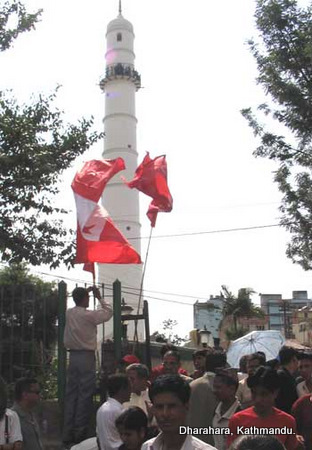
    Dharahara, Kathmandu is mostly surrounded by chaos

    So how’s Delhi?” many of my friends asked me when I was in Kathmandu recently.

    I had stayed away from Kathmandu and lived in Delhi for a year.

    The question expected two different answers: Some wanted to know about city life while others were interested in the political happenings in the Indian capital vis-à-vis the Nepali situation. Some had asked out of curiosity while others for formality. The conversations inevitably moved towards comparison. Some said “Delhi ma ta ramro hola hai?” (It must be good in Delhi, no?) citing things gone disappointingly bad in Kathmandu.

    Delhi isn’t a great city of the world that is vastly different from Kathmandu. The only major difference is that the Indian capital is, to some extent, cared for by its government and citizens. It is well served. The government is pouring money into the city to build infrastructure. Apart from creating the “world class” metro rail system, they are making flyovers to free the roads from traffic congestion, paving roads and constructing stadiums to host games of international importance. A new flyover was scheduled to be inaugurated this week on the outer ring road of Delhi (Kathmandu has been only talking about the outer ring road for years). Delhi is gearing up at war pace to host the Commonwealth Games next year. Apart from the developmental activities, a general sense of order and discipline prevails in Delhi though incidents of crime, some of them horrifying, do occur. (धेरै…)

  • A Tale of Two Drivers: Delhi Autowallah and Shillong Cabbie

    Some people complain while others struggle to make their lives a success.

    By Dinesh Wagle
    Wagle Street Journal

    Hom Bahadur Rana from Tanahun, Nepal is an autowallah in Delhi (click to enlarge the photo)

    In the hilly north-eastern Indian town of Shillong, music is your identity. More so in the case of a cabbie. What the audio cassette player in your taxi blares says who you are. When I heard Sanjeev Singh asking, “Why did you put chokho mutu tikho chulesima from inside a cab that was parked at an intersection of Police Bazaar recently, I instantly recognised the man behind the wheel.

    “Wassup!” I greeted the man in Nepali without being too excited because the Nepali sound wasn’t unexpected in Shillong. This is part of a region that is home to hundreds of thousands of Nepali Indians. The cable network here distributes TV channels from Kathmandu. Some of the Nepalis in the Darjeeling area of West Bengal are fighting for a separate Gorkhaland state within the Indian union while Shillonge like this taxi driver, resident of Meghalaya, are quietly struggling for their own right to live a respectful life without humiliation. Their own sorry state of being a marginalised minority was in a way similar to the tragic song’s theme.

    “We live a torturous life here, daju,” said the driver.

    shillong taxi driver
    He is a Nepali Indian and drives a cab in his hometown Shillong, Meghalaya (India). (click to enlarge the photo)

    Meghalaya is a Khasi majority state where Khasis claim to be “the sons of the soil” and exploit resources without sharing. Nepalis are a minority and, therefore, sidelined and deprived of opportunities, he complained. Perils of federalism, I thought. But I sensed he was slightly exaggerating the situation because there’s no atrocity being committed against the Nepali community in the region these days as it was during the 1980s. At that time, thousands of Nepalis were chased away from Meghalaya and neighboring states like Manipur and Assam. It was noted that India had breached the now controversial 1950 treaty of peace and friendship with Nepal by failing to stop and being a mute spectator to the exodus of Nepalis. The driver insisted that Nepalis still had no equal rights, and that they were not represented well in government services.

    “Many young people like me have become drivers,” he said. Some of them drove shared taxis, the primary medium of transportation in Shillong, like him while others went out to cities like Kolkata for better options. Ultimately, they return empty-handed as they fail to struggle in those cities that have a different atmosphere and cultural environment. “We are hill people,” he said. “We can’t live in hot places.”

    I was amazed, albeit understandably, to see him at so much ease while talking with me in Nepali. It was his language as much as it was mine. The language brought us so close that, at one point in a similar situation the previous evening, I felt my two Indian co-travelers, students of the Indian Institute of Technology Kharagpur, found themselves excluded when I was talking with another Nepali youth on the streets of Shillong. That young man also complained about a difficult life in a state where Nepalis are a minority lot.

    Some people complain while others struggle to make their lives a success. They are not discouraged by countless humiliations and obstacles. They keep on working towards achieving their goals despite facing serious setbacks. They keep journeying despite being cheated sometime by their own comrades and on other occasions by fate. This is the story of Hom Bahadur Rana, an autowallah of Delhi.

    Twenty years ago when Rana fled his home in Bandipur, Tanahun, he was 15. Unable to bear the torture of her drunkard husband, Rana’s mother had killed herself a few years ago by hanging herself from a tree not very far from home. He couldn’t continue studying, and thought life wasn’t going anywhere. He arrived in Delhi along with a neighborhood dai. Like millions of other migrant workers in India, he went for whatever work came to him. Money didn’t come. He was already dreaming about Bombay. He found a friend in a Nepali guy he met in a farmhouse in Chandigarh. They decided to catch a train to the seashore.

    “We had this dream to make it to Bombai,” (that’s how he pronounces it) recalled Rana. “We wanted to see the sea.” They arrived at Old Delhi railway station only to be tactfully looted by a Nepali-speaker who pretended to be going to Bombay. Rs. 1200, half of the total money they had, was gone in a jiffy. Then they were cheated another Rs. 100 by the railway ticketing agent who sold them “seats” in the general compartment. The journey itself was unforgettable. “We didn’t get space to sit inside the dibba,” Rana said. “We went near the lavatory and sat on the joint that connects the train compartments. In the morning, we saw that our clothes had all been covered with feces.”

    In Bombay, they were clueless about the destination. They walked up to the sea and wandered around the city until a taxi suddenly halted in front of them. Two guys got out and started beating them. “You Nepalis,” they said as they threw Rana and his friend inside the cab. “Why do you come here? Take out money.” Another Rs. 300 was gone. The only remaining Rs. 200 was hidden inside their collars. “We knew Bombai was a city of looters,” Rana said. “We had hidden some money in our collars. We were forced to take off even our kattu, but they couldn’t find that money.”

    Terrified, they went back to the railway station planning to go back to Delhi without a ticket. If caught, they thought, they could at least get free food. There they met another Nepali who, like the one in Delhi, offered help. This one turned out to be genuine, and they found a job. They thought it was a miracle. After a few years of struggle and stints as security guard and painter, Rana was making money. But he lost all his earnings, Rs. 12,000 in total, in an incident that involved one of his friends eloping with his co-worker and the girl’s relatives filing a complaint to the police. He had to leave the job and the city.

    But he wasn’t defeated. Coming back to Delhi, he decided to start all over again. He drove an auto, the three-wheeler that is, in a way, the backbone of Delhi transportation. After a few years of working up to 18 hours a day, he bought a small piece of land in Rohini, west Delhi. There he set up a shack, and for the first time in about 10 years, returned home to marry. Three years ago, he finally bought his own auto on installment. Ownership of an auto has given him a sense of liberation. By the end of next year, he would have made all his payments. Then the profits will come. A week ago, when I was in his three-room home, he served me with a cup of milk tea and some cookies.

    “A month ago during Dashain, I organised a small gathering here,” he said, beaming. “I invited many Nepalis living in Delhi and served them masu bhat. I had bought a goat costing Rs. 7,000.”

    I have met many Nepalis in India as part of my work, but Rana’s story was by far the most inspiring. He was happy except that his wife badly wants a child, and they haven’t been able to produce one. The day I visited his home, Rana had invited a Nepali jhakri (witch doctor) for jharphuk to satisfy his wife.

    This article first appeared in the op-ed page of today’s Kathmandu Post.

  • भारतमा भाषाको खेल

    हिन्दी भारतमै पनि सबैले बुझ्ने, बोल्ने र स्वीकारेको भाषा होइन । एक अर्ब बढी जनसंख्याको आधाभन्दा कम (४४ करोड) ले मात्र हिन्दी बोल्छन् ।


    भारतमा भाषाको खेल
    ठुलो पार्न तस्बिरमा क्लिक गरे हुन्छ
    ठुलो पार्न तस्बिरमा क्लिक गरे हुन्छ

    दिनेश वाग्ले
    वाग्ले स्ट्रिट जर्नल

    म‌ङ्सिर १२- धार्मिक, भाषिक र भौगोलिक रूपमा विभाजित भारतलाई ब्याट र बल एक तुल्याउने ठान्दै कतिपयले भन्छन्- क्रिकेट हाम्रो धर्म हो भने सचिन तेन्दुलकर भगवान । २० वर्षे अन्तर्राष्ट्रिय खेलजीवनमा सबैभन्दा बढी ३० हजार रन बटुलेका सचिन अहिले भारतमा आफैं एउटा भकुन्डोजस्तो भएका छन्, जसलाई फरक ध्रुवका राजनीतिज्ञहरूले आक्रमण र प्रशंसाको विषय बनाएका छन् । खेल पिच बाहिरको जीवनमा मिलनसार र मृदुभाषी सचिन विवादमा मुछिएकोमा कतिपय भारतीय अचम्मित छन् ।

    मुम्बई राजधानी भएको र मराठी मुख्य भाषा बोल्ने भारतीय राज्य महाराष्ट्रको विधानसभामा गत महिना एकजना विधायकले हिन्दीमा सपथ लिन खोजे । मराठी मुद्दामा टेकेर पहिलोपटक चुनिएको नयाँ पार्टी महाराष्ट्र नवनिर्माण सेना (मनसे) का विधायकलाई त्यो मनपरेन । त्यसैले हिन्दीमा सपथ लिँदै गरेका अबु आजमीलाई तिनले तत्कालै, विधानसभामै, थप्पड हान्दै लछारपछार गरे । मनसेको भनाइ छ- महाराष्ट्र मराठीहरूको हो, यसको राजधानी मुम्बई महाराष्ट्रवासीहरूको हो । यहाँ उत्तर भारतीयहरू आएर काम गर्न पाउँदैनन् र तिनको भाषा हिन्दी यहाँ प्रयोग गर्न पाइँदैन ।

    मनसे राज ठाकरेको पार्टी हो । राजचाहिँ महाराष्ट्रकै अर्को पार्टी शिव सेना (शिसे) का प्रमुख बाल ठाकरेका भतिजा हुन् । काका र उनका छोरा उद्धवसँग कुरा नमिलेपछि तीन वर्षअघि राजले ‘भूमिपुत्र’ या ‘मराठी मानुस’को नारामा नयाँ पार्टी खोलेका थिए । त्यसयता ठाकरे परिवारका दुई पार्टीहरू मनसे र शिसेबीच मराठी मुद्दालाई चर्कोसँग उठाउन दौड छ । त्यही दौड अबु आजमी प्रकरण हुँदै सचिनसम्म पुगेको हो ।

    दुई सय ८८ सिटको महाराष्ट्र विधानसभाको अघिल्लो महिनाको चुनावी नजिताले राज्यमा पुनः भारतीय कंग्रेस-राष्ट्रवादी कंग्रेसको गठबन्धनलाई सत्तामा राख्यो । शिव सेना र भारतीय जनता पार्टीको ‘हिन्दुत्व’ गठबन्धन विपक्षमै सीमित भयो । शिव सेनाको भोट मनसेले काटेको आरोप लाग्यो । शिसेले ४४ र मनसेले १३ सिट जिते । उत्तर भारतको समाजवादी पार्टीले चार सिट जित्यो, जसमध्ये एक विजेतका भए हिन्दी/उर्दू भाषी मुस्लिम अबु आजमी ।

    मनसेका विधायकले आजमीलाई लछारपछार गरेपछि भारतभरिबाट  दुई खाले प्रतिक्रिया आए । हिन्दीभाषीहरूले त्यसलाई नराम्रो भन्दै निन्दा गरे, अन्य भाषीहरूले ‘त्यसरी कुट्नैचाहिँ हुन्नथ्यो, तर राज्यको भाषा नजान्नेले जिम्मेवारी पनि लिनु हुँदैन’ भन्ने टिप्पणी गरे । त्यहीँ विवाद चलिरहँदा मुम्बईका वासिन्दा र मराठी सचिन तेन्दुलकर आफ्नो अन्तर्राष्ट्रिय खेलजीवनको २० औं वर्षगाँठ मनाइरहेका थिए । एउटा कार्यक्रममा एकजना पत्रकारले त्यो विवाद’bout सोध्दा सचिनले भने- ‘मुम्बई भारतको हो । म महाराष्ट्रको हुँ र त्यसमा निकै गर्व गर्छु । तर म सबैभन्दा पहिला भारतीय हुँ ।’ सचिन भारतीय राष्ट्रिय टोलीका लागि खेल्छन्, भारतभरि बेचिने सामग्रीका विज्ञापनमा देखापर्छन् र भारतभरि उनका प्रशंसक छन् । सचिनको वक्तव्यलाई बाँकी भारतले स्वागत गर्‍यो । तर शिव सेनाका प्रमुख ८२ वर्षे बाल ठाकरेले पार्टीको मुखपत्र ‘सामना’मा आलोचना गरे । ‘त्यस्तो टिप्पणी गरेर तिमी मराठी मनोभावनाबाट रन आउट भएका छौ’, ठाकरेले लेखे- ‘ध्यान राख, तिमीले छक्का या चौका हान्दा तिम्रो प्रशंसा हुन्छ । तर मराठी मानुसको न्यायसंगत अधिकारका विरुद्ध ब्याटिङ गर्न आफ्नो जिब्रो प्रयोग नगर ।’

    भारतमा भाषा र क्षेत्रीयतामा आधारित यो नौलो विवाद होइन । स्वतन्त्र हुनु केही वर्ष अघिदेखि हिन्दीभाषीहरूले आफ्नो प्रभुत्व फैलाउन खोजेका हुन्, जसलाई भारतका अन्य भाषीहरू ‘हिन्दी विस्तारवाद’ भन्छन् । हिन्दी भारतमै पनि सबैले बुझ्ने, बोल्ने र स्वीकारेको भाषा होइन । एक अर्ब बढी जनसंख्याको आधाभन्दा कम (४४ करोड) ले मात्र हिन्दी बोल्छन् । सन् २००१ को जनगणनाअनुसार साढे चार करोडले गुजराती बोल्छन् भने सात करोडले मराठी, साढे तीन करोडले कन्नाडा, छ करोडले तमिल, सात करोडले तेलेगु, तीन करोडले मलयालायम बोल्छन् । त्यो जनगणनाअनुसार भारतमा २६ लाखले नेपाली बोल्छन् । भारतमा २९ वटा भाषा १० लाखभन्दा बढी मानिसले बोल्छन् । त्यस्तै कम्तीमा दस हजारले बोल्ने १ सय २२ भाषा छन् ।

    ‘हिन्दी विस्तारवाद’ विरुद्ध अहिले तमिलनाडु भनिने उतिबेलाको मद्रास राज्यमा १९३८, १९४८, १९५२ र १९६५ आन्दोलन भएका थिए । तिनै आन्दोलनका कारण संविधान बन्दा १९५० मा हिन्दीलाई राष्ट्रिय भाषा बनाउने हिन्दीभाषीहरूको योजना सफल भएन । अंग्रेजी र सम्बन्धित राज्यको भाषा (जस्तै तमिलनाडुमा तमिल, आन्ध्रमा तेलगु, गुजरातमा गुजराती र महाराष्ट्रमा मराठी) लाई कार्यालयमा प्रयोग गर्ने सहमति भयो । तर भारतीय संविधानको अर्को एउटा बुँदामा हिन्दीलाई फैलाउनु राज्यको कर्तव्य हुनेछ भनिएको छ ।

    दुई महिनाअघि जम्मुतवी रेलवे स्टेसनमा हिन्दीमा मैले यस्तो लेखेको देखेँ- ‘अरूको भाषाको सम्मान गर्नु एउटा कुरा, तर आफ्नैलाई होच्याउनेगरी अरूको भाषा प्रयोग गर्नु देशविरुद्ध हो ।’ त्यहाँ हिन्दीको प्रयोग गर्न र त्यसलाई फैलाउन अनुरोध गरिएको थियो, जबकि जम्मु र कश्मिरका कार्यालयीय भाषा उर्दू, कश्मिरी र डोग्रा हुन् ।

    भाषामा बोल्नेको संस्कृति, परिचय र इतिहास हुन्छ । मातृभाषामा बोल्न र लेख्न पाउनु अधिकार हो । नयाँ भाषा जान्नु आफू बलियो हुनु हो । नौलो ठाउँमा त्यहाँको भाषा बुझे यात्रा सहज बन्छ । ‘तपाइर्ंहरू हाम्रो भाषा सिक्नुहुन्न’, विराटनगरका एक नेपालीले केही साताअघि भने- ‘हामीले सिकेका छौं, नेपाली ।’ उनको मातृभाषा मैथिली हो । मलाई लाग्यो, मातृभाषै नेपाली हुनेले भारतमा हिन्दीभाषीहरूले जस्तो ‘हाम्रो भाषा जहींतहीं बुझिन्छ’ भन्दै गमक्क पर्न भएन । अङ्ग्रेजीबाहेक कम्तीमा अर्को एक नेपाली भाषा जान्नुपर्छ । त्यसले जनस्तरको सम्बन्ध थप गाढा तुल्याउँछ र यस्तो विभाजनको बेला हामीलाई नजिक्याउँछ ।

    नयाँ सिक्नुजत्तिकै महत्वपूर्ण हो- आफ्नो भाषाको संरक्षण । विश्वकै सम्पर्क भाषा बनेको र जसले पनि सिक्न चाहने अंग्रेजीलाई त विश्वभरि फैलाउन बेलायतले बि्रटिस काउन्सिलमार्फत प्रयास गरिराख्छ । त्यसैले हिन्दीलाई फैलाएर आफ्नो प्रभाव विस्तार गर्न कुनै हिन्दीभाषी भारतीयले चाहन्छ भने के नौलो भयो ? कमजोरी त त्यो चाहना पुर्‍याउने गैरहिन्दी भाषीको हुन्छ, जसले आफ्नो भाषा मारेर हिन्दी अँगाल्छ । भारतको माथिल्लो संसदकी सदस्य तथा तमिल राजनीतिज्ञ कानीमोजीले हालै एउटा टीभी कार्यक्रममा भनिन्- ‘भाषा मार्नु भनेको त्यो बोल्नेहरूको संस्कृति र इतिहास मार्नु हो ।’

    यो लेख पहिलो पल्ट आजको कान्तपुर  दैनिकमा प्रकाशित भएको हो । पत्रित्रकाकै पन्नामा हेर्ने भए माथीको तस्बिरमा क्लिक गरे हुन्छ ।

  • World Toilet Day: Delhi Public Urinals

    Delhi urinational point
    A man waits for his turn to urinate at a public Pesab Ghar in Chawri Bazaar, Delhi.

    Today is the World Toilet Day and, I am not making this up but what a coincidence, I need to go to toilet immediately.

    [After 5 minutes.]

    But it’s easy in Delhi, compared to Kathmandu, to attend nature’s call. Public conveniences, particularly for urination, are everywhere in the city (again, compared to Kathmandu from where I come). In Kathmandu that’s a major problem. More so in the core city area and main marketplaces. I have faced it and I have heard from others the stories of how they sneaked into Tri-Chandra Campus or RR Campus to piddle.

    I was wandering around in Chawri Bazaar, the Delhi-6 market what appeared to me as selling everything that one can imagine. It was busy, crowded, noisy, and fully animated. The sight of people (that includes only men in this case) urinating at the designated public pissoirs was very interesting. The fact that the urinal points were at the unlikeliest or unexpected places didn’t bother me at all. In fact, I was pleasantly surprised. As I walked on the busy road making sure the rickshaw didn’t hit me I strongly wanted to urinate. It was almost one of those moment when you feel like doing it right here, right now. But the funny thing is when I actually saw those places, I forget the pressure and, instead of standing on the queue, I was taking photos. The scene of people peeing publicly in such a buy market was that captivating! Then, all of a sudden, I realize this was THE place I was really looking for. (धेरै…)

  • Delhi Mouse on the Birthday of Mickey Mouse

    Today the world is celebrating the birthday of Mickey Mouse but in this post I am talking about the real (compared to the MM that is) rats of Delhi that are born and live in the strict human supervision. I was in the west Delhi yesterday in my first visit to that part of the city. In a market near Rohini I saw a cage full of rats and rabbits. The ‘shop’ also had pigeons for sale. Rs. 250 a pair. Those rats and rabbits were also for sale.

    Or are they mice? In Nepali, I think, there’s only one word for what they call in English rats or mice: मुसा/मुसो । Whatever they are called but they are in fact anti-mouse/rat. They are domestic and meant to keep those nasty rats and mice at bay.

    “And don’t those folks run away from home to the freedom?” I inquired to the man who was holding a rat for my camera.

    “No,” he said.”They love being at the company of humans and in the home. They are just like dogs and cats.”

    Talking about cats, I forget to ask what do these rats do when they see one around them.

  • Protests: Delhi vs Kathmandu

    Kathmandu Protests

    They have bandas in India too, but they don’t trash the city to make their point

    By Dinesh Wagle
    Wagle Street Journal
    This article first appeared in today’s Kathmandu Post. Here’s the PDF version of the page.

    The state government of Delhi recently hiked public bus fares in an astonishing manner. The Delhi Metro rail, a major medium of public transportation in the Indian capital, quickly followed suit. Prices of consumer goods are also going up, and the general sentiment is resentment against the establishment for its inability to curb rising prices. The opposition Bharatiya Janata Party (BJP) called a Delhi banda on Friday. Guess what happened on the banda day. Dozens of cars smashed, pro-banda activists pelting stones at shop owners who refused to close their businesses, breaking railings on the streets? Nothing like that happened. Coming from Nepal where such things are an inseparable part of any banda and bandas themselves a part of life, I was mildly surprised to see such a peaceful banda and way of protest in Delhi. The BJP, not an ideal political party in itself, but that’s a separate issue, only requested business owners and people to mark the banda, there was no force used. And, stunningly for me, the party said beforehand that there would be no inconvenience for the general public during the banda. (धेरै…)

  • Parking Fee at Pragati Maidan…

    …has been increased to Rs. 100 from Rs. 10 overnight!

    How much is the car parking fee at Pragati Maidan metro station? Rs. 100 for six hours. It was Rs. 10 for 24 hours until yesterday! I was astonished when learned about 10-fold hike this evening. I wasn’t insane to pay the amount to park a car for less than two hours. Therefore I came back cancelling my trip to Chawri Bazaar. I’ll go tomorrow in auto.

    Pragati Maidan in New Delhi is a venue for exhibitions and fares of all kinds. The annual trade fair, perhaps the biggest of them all, has begun from today and on account of that they have increased the parking fee. (धेरै…)