
And Nepal, to burrow the words of Gloria Gaynor, must be saying: I Will Survive.
And Nepal, to burrow the words of Gloria Gaynor, must be saying: I Will Survive.
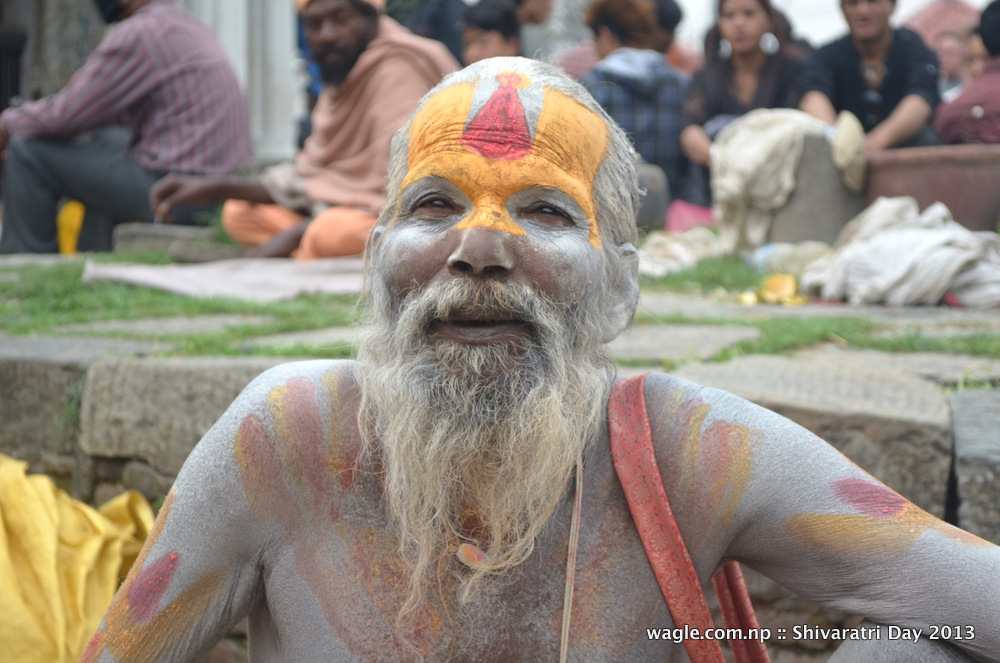
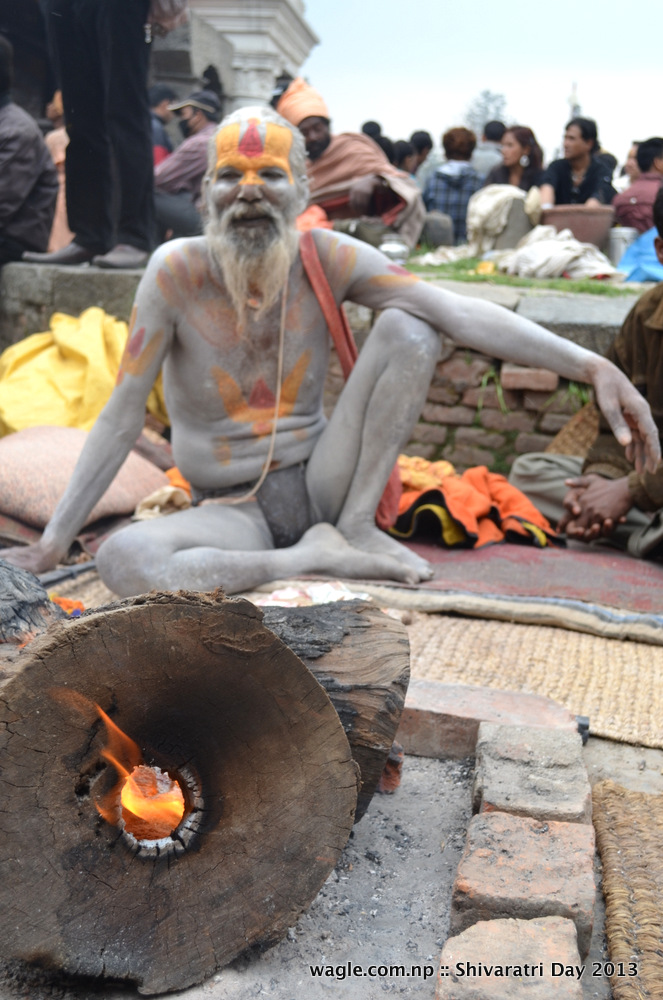
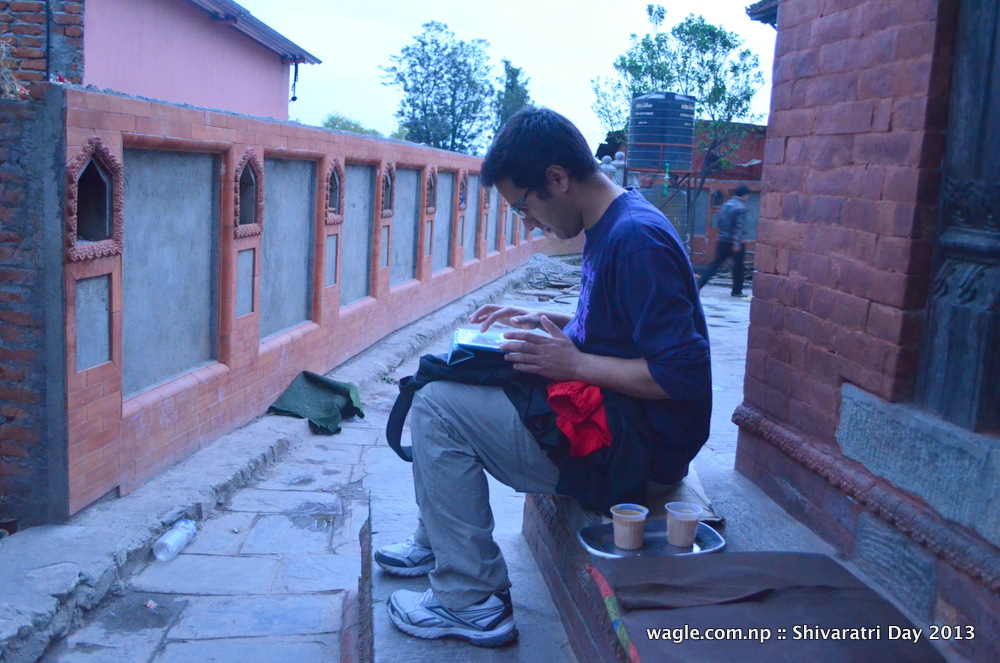
Better late than never. Some images from the Mahashivaratri Day 2013. From and around the Pashupatinath Temple, Kathmandu. All pics by Suraj. 10 March.
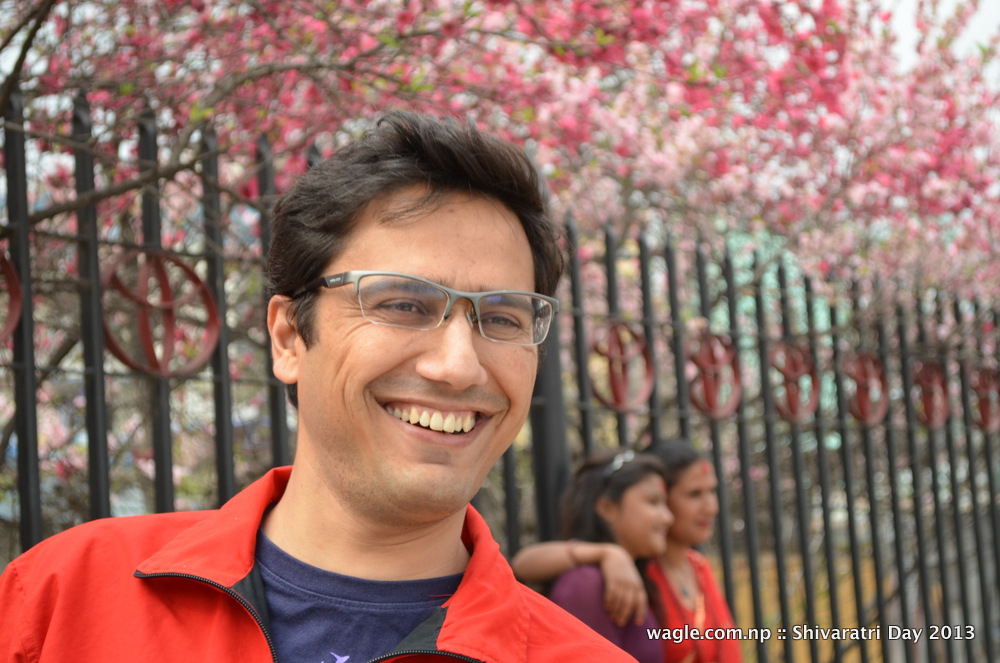
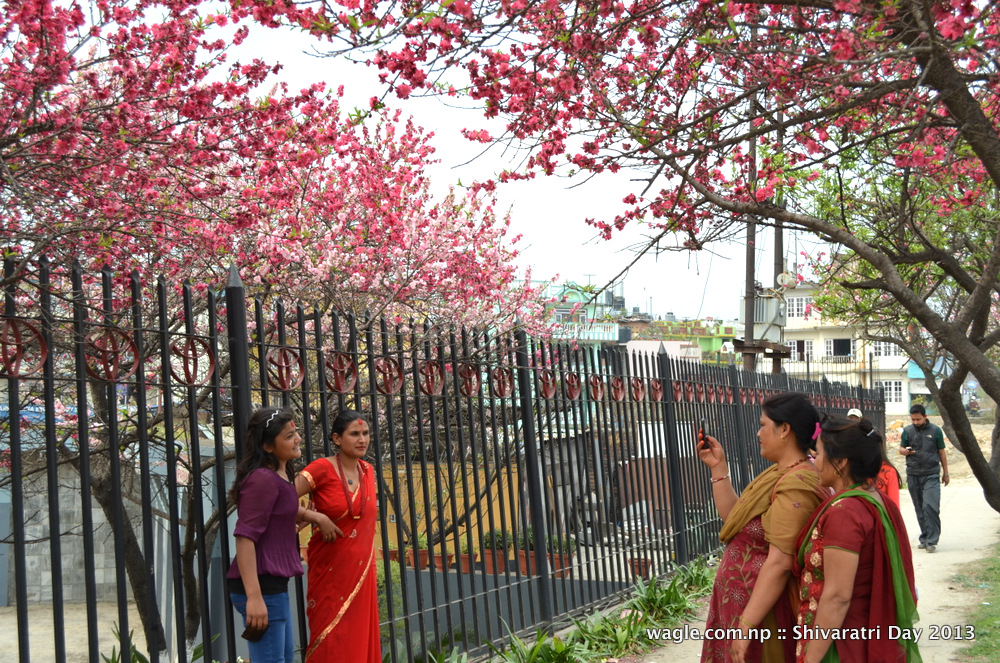




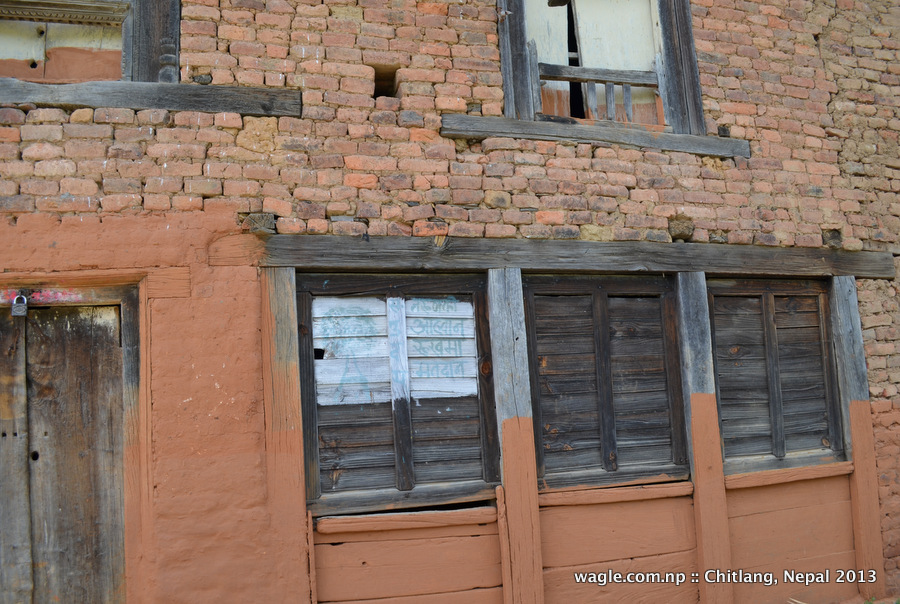
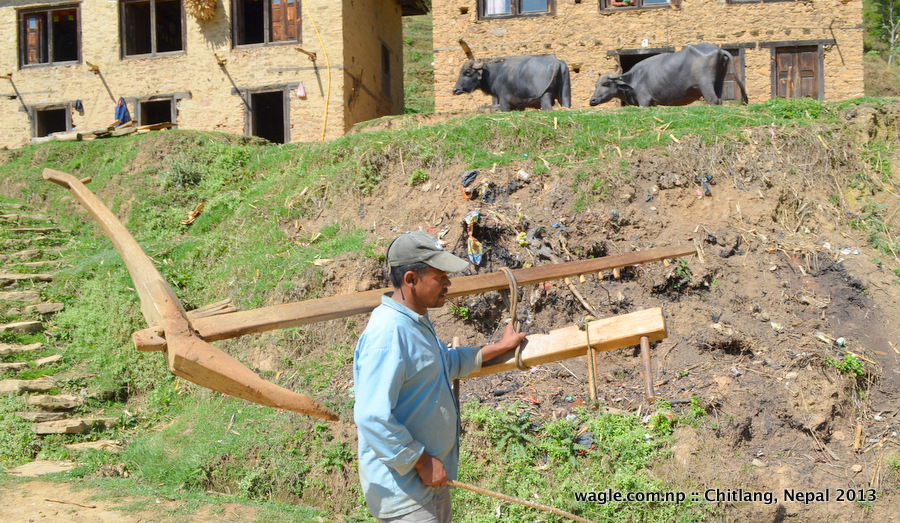
27/28 April: A hike up to Chitlang over the weekend. Passed through this village back in 5/6 May 2010 with Suraj on his motorbike.
The Maoists, still angry with President Yadav and Prime Minister Nepal almost a year after their exit from the government, had imposed an indefinite country-wide general strike with lofty aims of correcting the ‘regression’ and capturing Kathmandu (the Valley AND the Power Center). They had brought thousands of people in the Valley from different parts of Nepal (and, as we found out, Bihar). Some of these people, frustrated by the uncertainty that the ‘indefinite’ nature of the strike posed and mismanagement of the agitation program by the Maoist party, were fleeing Kathmandu. They were returning to their homes. They had to walk for as long as two days because no vehicles were plying on roads, thanks to the strike. We followed some of those people who were ‘escaping’ out of Kathmandu via Kulekhani/Bhimphedi. They were people with diverse backgrounds- reflective of the country itself. And most of them had pressing works to attend. Based on our conversation with them we filed a story for Kantipur. Here’s the report titled “गुराँस टिप्दै फर्किए आन्दोलनकारी“:
दिनेश वाग्ले/सुरज कुँवर (धेरै…)
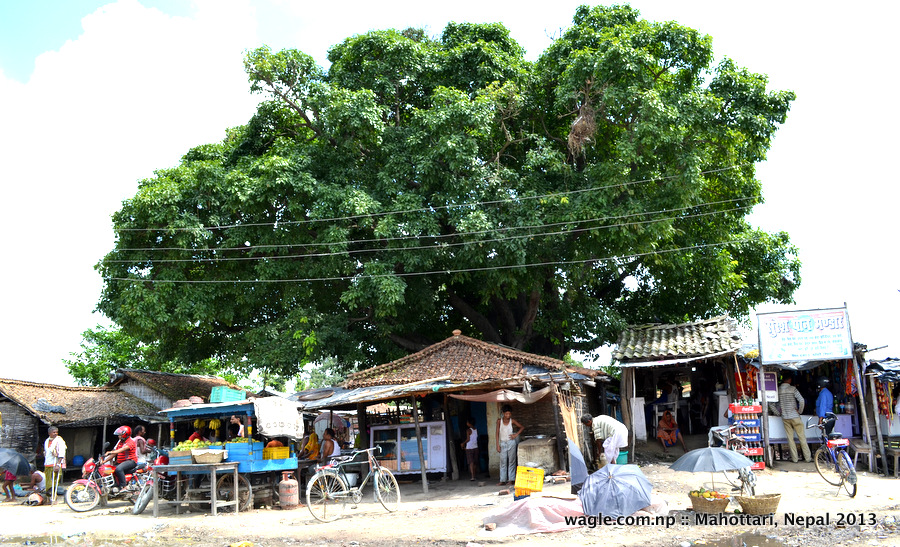
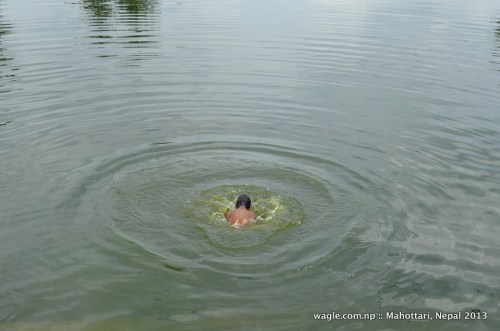
24 June 2013: Journalists have the best office building in Jaleshwar, headquarters of Mahottari district. Mahottari chapter of the Federation of Nepali Journalists constructed their office building on land provided by the district administration office last year. President Yadav inaugurated the building. Rest of the office buildings in this town look utterly depressing (the Municipality Office building should top that unenviable list).
This is my first trip to Jaleshwar (Mahottari). I went to a nearby village (Khaira). There I found a man who had run away from Nepal Police service just before the conflict ended. Afterward he tried his luck in foreign employment but the work he was offered in Malaysia turned out to be different than what his agent had described in Kathmandu. He came back quickly. His brother went. Now he is trying to go as well. May be after Dasain, he said. There was a photo of his father, a Nepal Police ASI who died a few years back while in service, hanging on the wall of a makeshift shop that he maintained near his house.

21 June: My impression of Malangawa where I am now for the first time? Very basic bazaar. Feels like nothing here is in good shape. But that’s when you are frustrated. Feel good and you start realizing that the place is normal, like any other district headquarters that have unpaved roads, dilapidated buildings and dirty markets. That’s Nepal, of course.
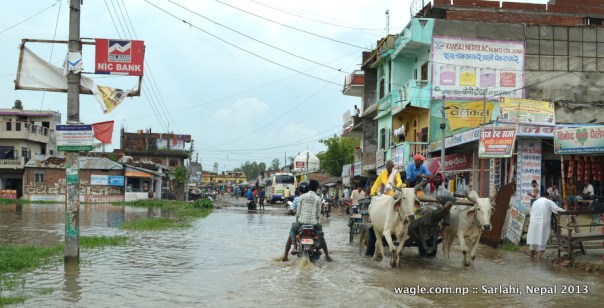
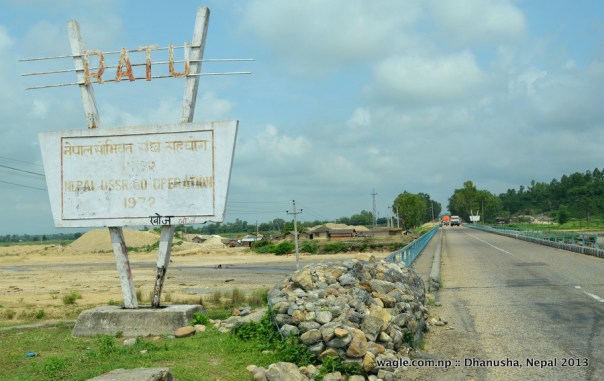
20/21 June: Any talk about development aid can spark a huge and passionate debate about pros, cons of the aid and if and how it should be delivered. In an aid-dependent country like Nepal mechanism through which the aid money is disbursed and delivered matters a lot. This can make or break a society. Or, make some people very dissatisfied with the donors as is the case in Nepal. I do believe Nepal will, unfortunately, remain an aid-dependent country for at least a decade to come because of the way things are now. Of course, it’s better to be in a position where we don’t need aid. But we are not in such a position now. So I think aid is needed. That’s my personal opinion. I am a big supporter of aid in infrastructure projects rather than in something that can be loosely termed as ‘capacity building’ (whatever that is). (धेरै…)

Many Hindus actively practice, promote and protect untouchability, the caste-based discrimination. There are several layers of untouchability in Hindu society but the most visible is the one against the Dalits (collectively those who are at the lower levels of the caste hierarchy) by the non-Dalits (collectively those who are at the higher strata). Untouchability exists among Dalits too. It exists among non-Dalits as well. (धेरै…)

१९/२० जून, २०१३: हामी जानकी मन्दिरमा पुगेका के थियौं ‘राजा’ अर्को ढोकाबाट निस्किहाले । हराउदै गएको साइरनको अावाजबाट मन्दिर परिसरमा उभिएका हामी पक्का भयौं ज्ञानेन्द्र होटल फर्किए । मन्दिर लगभग खाली थियो । तर संयोगै भनुम् हामी त्यही होटलमा बसेका थियौं जहाँ पूर्व राजाले रात विताउनेवाला थिए । सानो भिड थियो होटल मानकीमा । केही समर्थकहरू जम्मा भएका थिए । उनीहरू बडो उत्सुक थिए । ती समर्थकहरूका एकजना नेताले सफा सेतो कुर्ता सुरूवाल लगाएका थिए । उनी त्यो रात त्यही होटलमा बसेको हुनुपर्छ किनकी अवेरसम्म उनी त्यहीको रेष्टुरेन्टमा हाम्रोसँगैको टेबुलमा खाइरहेका थिए । िवहानै मैले उनलाई होटल परिसरमा माला हातमा लिएर उभिएको देखेको िथएँ । (धेरै…)
मेरो लामो जलयात्रा विवरण पढेको भए पिटरको साइटमा राखिएको यो भिडियो पनि हेर्न सिफारिस गर्छु ।
Another “what I did on my holiday” entry, I’m afraid. I went with http://www.wagle.com.np on a four day pack rafting ‘proof of concept’ trip over Easter.
Day 1: We took the bus to the edge of the Kathmandu valley then hiked with the boats and full camping gear on our backs to Sipaghat on the Indrawati river. I was a bit under the weather, needed a paracetamol when I arrived, and had to deal with some local kids who insisted that water is pronounced ‘watter’ and that I was actually an American.
Day 2: We inflated the rafts, strapped the packs to the front and set off. My guidebook (“White Water Nepal” by Peter Knowles) says this is an easy grade 2 river and an ideal first run for a beginner. Which is pretty much what Dinesh and I are. The river was great fun, small bouncy rapids…
View original post 409 more words


