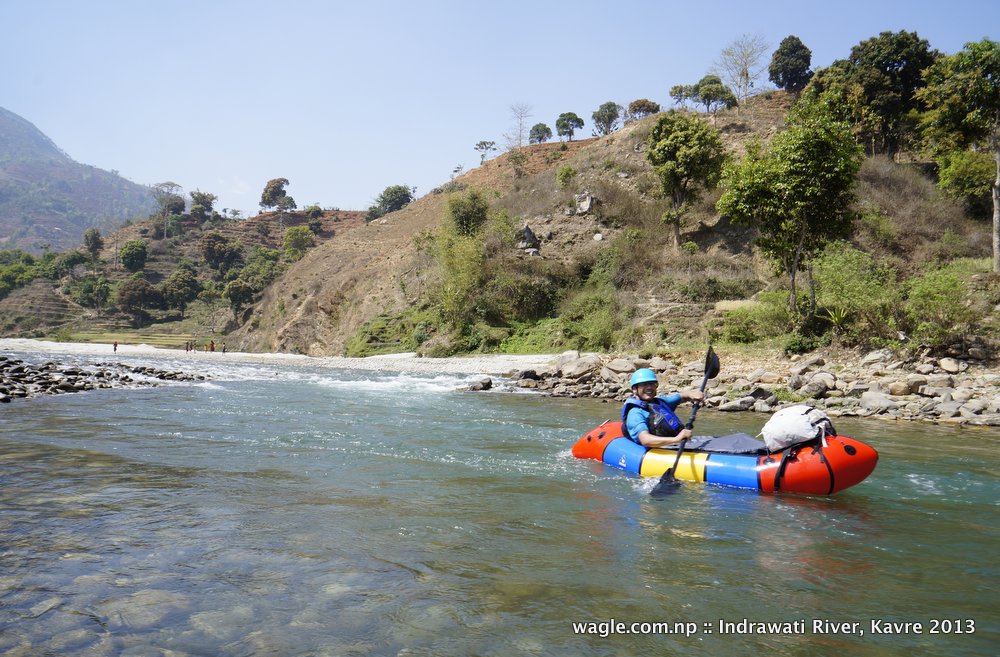
चार दिने यो पदयात्रा सहितको राफ्टिंग अनुभव हो । मार्च २८-३१, २०१३
अन्तिमको बाहेकका सबै तस्बिरहरू- पिटर एल्लेन । भिडीयो यहाँ छ ।
पहिलो दिन
यात्रा खासमा कोटेश्वरबाट सुरुभयो जब पिटर र म भक्तपुर जाने बस भित्र छिर्यौ (यसमा मैले मट्टितेल खोज्न तीनकुने क्षेत्रभरी झन्डै डेढघन्टा डुलेको कुरा समावेश गरेको छैन) । कमल विनायकमा हामी नगरकोट जाने बसको छतमा चढ्यौ । अनि त्यहाँबाट शुरू भयो हाम्रो चार घन्टे पदयात्रा इन्द्रावती खोला किनारको सानो व्यापारिक बस्तिलाई सिपाघाट लक्षित गर्दै । यो बस्तीहुँदै हेलम्बुतिर पुग्ने सडक जान्छ । यहाँ गाडी चालकहरू यदाकदा खाजाखान रोकिन्छन् ।
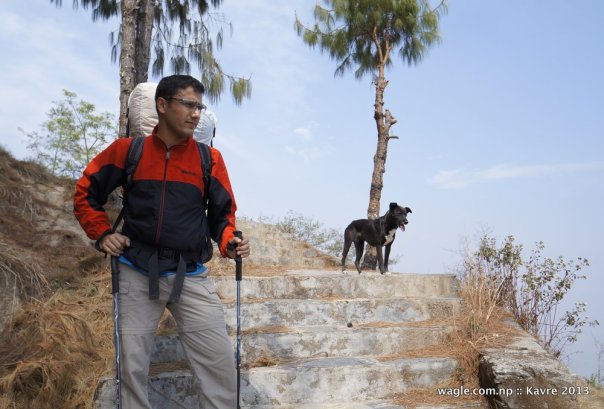
Day 1- This post talks about our four-day hiking cum rafting trip. It began obviously from Kathmandu. Peter and I stepped into a bus for Bhaktapur in Koteswor. At Kamal Binayak, we climbed at the top of a bus that took us to Nagarkot. From there began a four-hour-long walk to Sipaghat, a small village near Indrawati river. A dog followed us for long in the trail. We also walked with a talkative woman for a while. And a man, who Peter thought was drunk, accompanied us briefly in the trail.
हाम्रा झोलाहरूमा एक-एकवटा डुङ्गा (प्याकराफ्ट) र तीसँग सम्बन्धित सामाग्री थिए । पिटरकोमा चाहिं एउटा टेन्ट र त्यसका सामाग्री अनि खानेकुरा पनि भएकाले उनको झोला मेरो भन्दा ८ किलो बढी कूल १८ किलो गह्रौ थियो । तर उनलाई गुनासो थिएन । उनी म भन्दा केही छिटो हिडे तर सिपाघाट पुग्नै लाग्दा उनी केही बिरामी जस्तो भए जो एउटा सिटामोल र एक रातको सुताइ पछि ठिक भयो । (धेरै…)
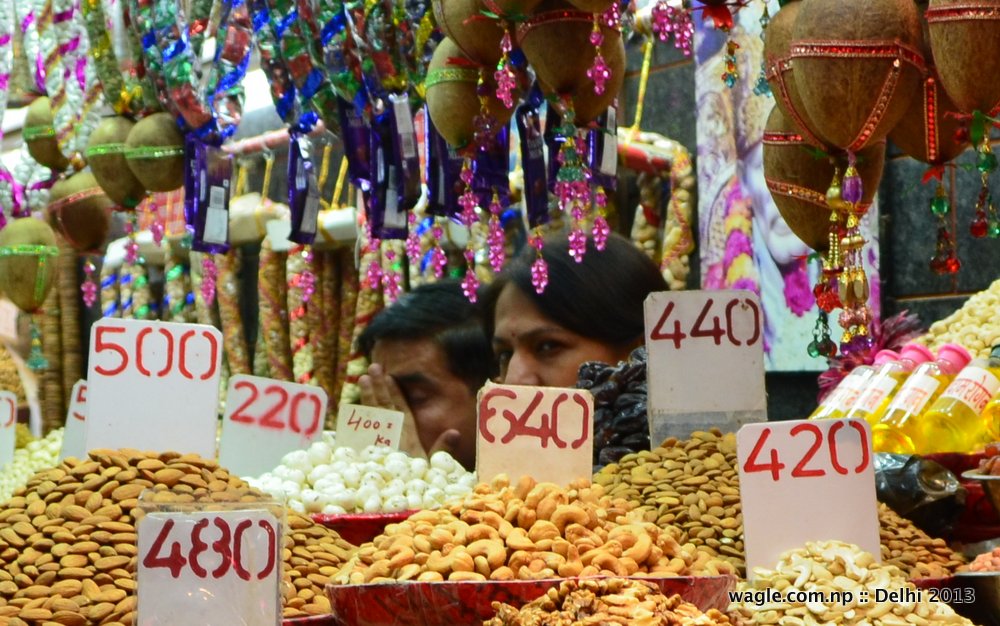
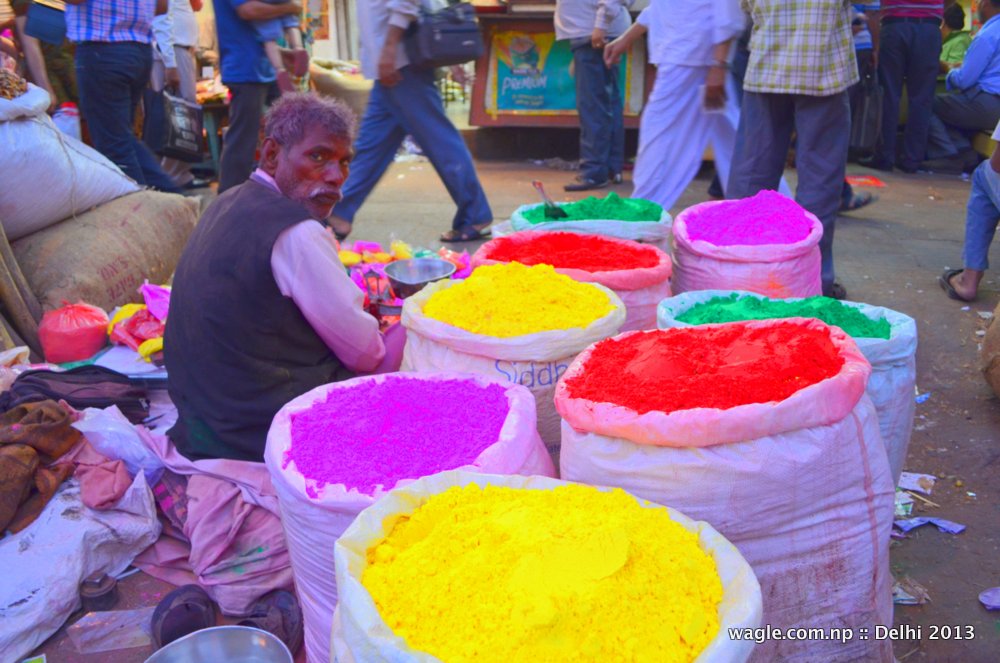
19th March Satish took me to parts of Old Delhi where I hadn’t gone during my two-year stay in the city. We had gone to the area looking for the shop where we had found best lassi in Delhi in 2010. I liked the effort they have put to decorate these dry fruit shops and the orderly manner in which items were on display. Shopkeepers were surprisingly peaceful and calm (at least looked so) despite the street atmosphere being so chaotic.
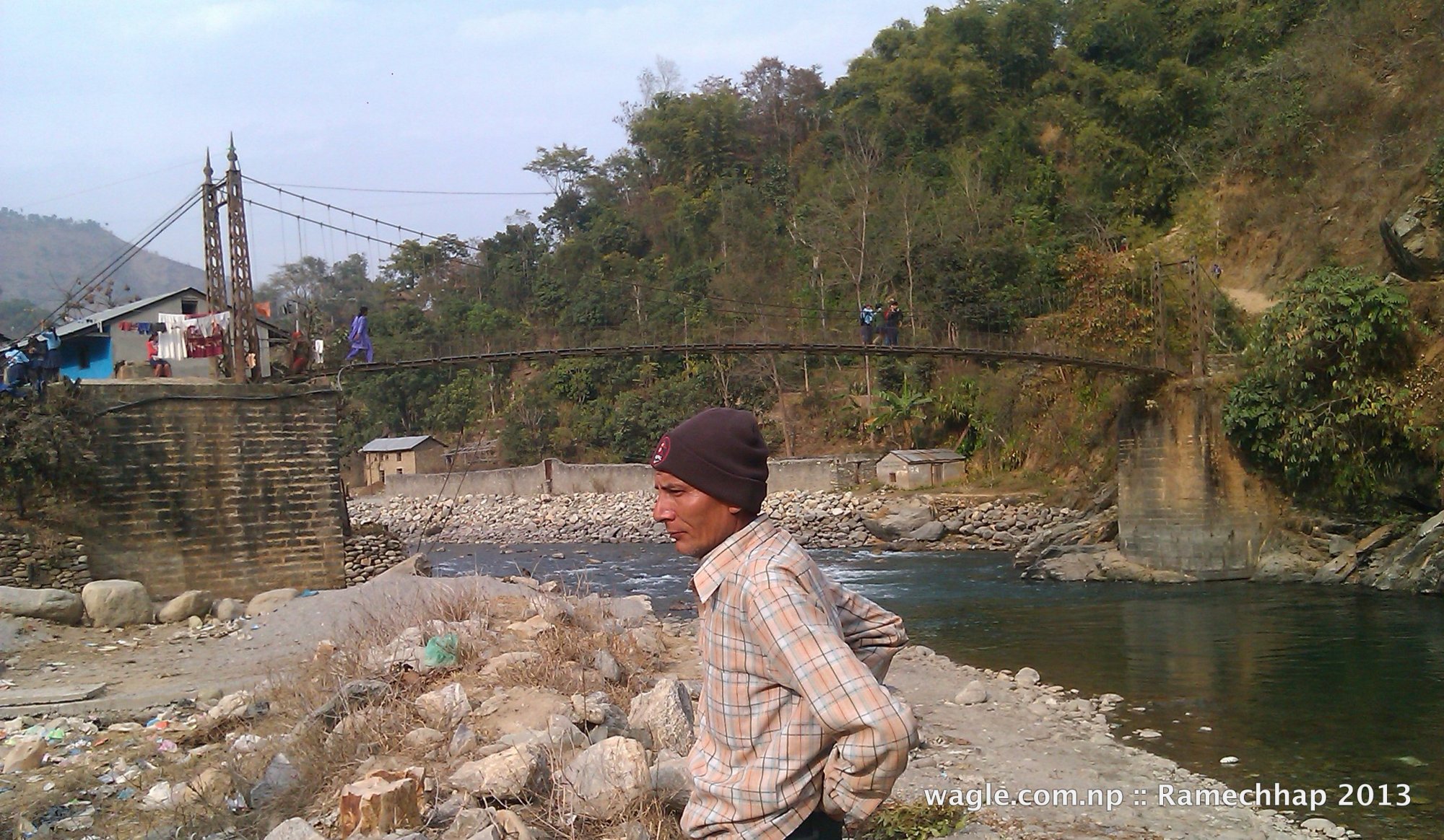
Likhu Khola. Ramechhap district on this side of the river, Okhaldhunga district on that side of the river.On way to Sanghutaar from Manthali. The road is recently built and is in operation during winter only
4-7 February 2013 Peter and I went to two hilly districts east of Kathmandu. Dolakha and Ramechhap. Business trip. One has to cross five rivers- Indrawati, Balephi, Sunkoshi, Tamakoshi (three times) and Khimti Khola- to reach Manthali, the district headquarter of Ramechhap. It Khandichaur, we paddled at Sunkoshi river for about 20 mins.
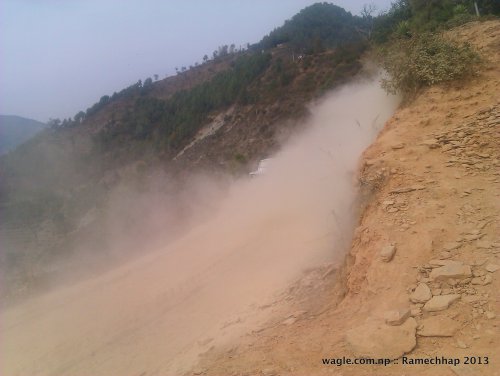
From Manthali, we drove to a place called Sanghutaar (sanghu= bridge, taar=a chunk of plain land) in a recently built, unpaved, super dusty and winter-only road. Sanghutaar is a 70-year-old small bazaar located right at the bank of Likhu Khola that separates Ramechhap from Okhaldhunga.
I was visiting this place after about 24 years. I was born and grew up in a village not very far from here (about five hours of walk). I have known Likhu Khola since my childhood days. I have seen the Khola in its good times and bad times- swollen, brown, wild and scary in monsoon and slim, white and feeble in winter. Once I swam across the river. (It was more walking than actual swimming.) (धेरै…)
18th-19th March A trip to New Delhi is not complete without taking a walk through the animating streets of Old Delhi. The old part of Delhi feels like a super enlarged Ason. More chaos and bigger crowds. The contrast between New and Old is clearly visible and mind-boggling. On the new part of the city roads are wider and filled with cars. Some of them are BMWs, Porches and Ferraris.
I noticed the last one in Delhi in this trip. The autowallah stopped the auto I was in for a few seconds to let the car go ahead of him. He commented: “Delhi toh bahut dhani ho gaya hai. Ferrari vi aagaya ab.” [Delhi has become very rich. Now Ferrari has come here too]. I hadn’t spotted Ferrari when I lived in the city for two years (2008-11). (धेरै…)
Dinesh Wagle at Parthasarathy Rocks in JNU. December 2008.
17th and 20th March 2013 When I was living in Delhi as a correspondent for Kantipur, PSR was my favorite place in the city. That, according to me, is also the most beautiful place in the whole of Delhi. I would spend hours at the Parthasarathy Rocks, located inside the Jawaharlal Nehru University campus chatting with friends and, when with Satish, strangers. The dhabas in the Uni during late eveningsare great place to be. But nothing beats the experience of sitting over one of the main two rocks at PSR in late afternoon and watch planes fly and, if lucky, peacocks dance in the jungle that surrounds the rocks. I went there this time as well to spent a couple of hours along with Satish and Ishwari. Beautiful flowers of JNU campus deserve a separate entry- but for now I’ll limit myself to posting photos only.
One year into my stay in Delhi in 2009 I was full of praise for PSR and the “PSR experience”:
Back in Delhi, I am a grown up man with a responsibility to fulfill. It’s a blessing to me that my work not just involves sitting in front of computer with browsers open but also traveling and meeting new people. Listening to disheartening stories of poor, unfortunate and deprived Nepalis in Delhi is one of the darkest experiences.
Exploring the city, having dahi valla in Chandni Chowk and standing at the Parthasarathi Rocks of JNU have been some of the most fulfilling experiences. I would say being at the top of PSR, seeing peacocks singing and dancing and airplanes flying, is the best thing I have experienced in this city this year. That particular moment when I was photographed (by a camera!) at PSR was the best of all. I cherish that moment.
The University is named after the first Indian Prime Minister Jawaharlal Nehru- his staute at the administrative block of the University.
For me Parthasarathi Rocks (PSR), located inside the sprawling JNU campus, is the most beautiful place in the whole of Delhi. Have spent hours there chatting with friends and counting number of planes that approach the nearby Indira Gandhi International Airport.
For me Parthasarathy Rocks (PSR), located inside the sprawling JNU campus, is the most beautiful place in the whole of Delhi. Have spent hours there chatting with friends and counting number of planes that approach the nearby Indira Gandhi International Airport.
For me Parthasarathy Rocks (PSR), located inside the sprawling JNU campus, is the most beautiful place in the whole of Delhi. Have spent hours there chatting with friends and counting number of planes that approach the nearby Indira Gandhi International Airport.
For me Parthasarathi Rocks (PSR), located inside the sprawling JNU campus, is the most beautiful place in the whole of Delhi. Have spent hours there chatting with friends and counting number of planes that approach the nearby Indira Gandhi International Airport.
भागी ती भागीका छोरा पिलेन घुइक्याउदा छन्
अभागी गरिवका छोरा भारी चुइक्याउदा छन्
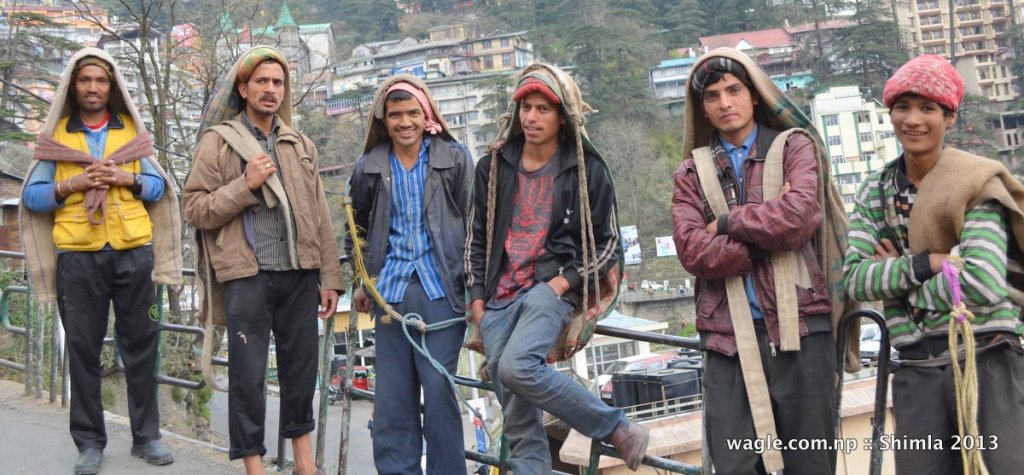
मसुरी डाँडोमा भारतभरीका र संसारकै मान्छे पुग्छन् । ’em कुन देश या भारतीय राज्यका हुन् खुट्टयाउन हत्तपत्त सकिन्न । तर खुम्चिएको ढाका टोपी लगाएका, काँधमा नाम्लो भिरेका र यहाँका साघुरा गल्लीमा भारी बोकेर या त्यसै भौतारिइरहेका जुनै पनि मलिन अनुहारलाई सहजै चिन्न सकिन्छ । परिचय विनाकै पहिलो प्रश्न (‘कताबाट हो दाजू ?’) ले तत्कालै उत्तर पाइ हाल्छ– ‘कालिकोट’ ।
एक हिसावले पुरै मसुरी शहर कालिकोटेहरुको थाप्लामा अडिएको छ ।
केही मिनेट असिना बर्सिएपछि चिसिएको हालैको एक साँझ एक हुल कालीकोटेहरु मसुरीको केन्द्रमा रहेको घन्टाघर नजिकै सडक किनारमा आगो तापिरहेका थिए । दिउसो एकपटकमा डेढ क्विन्टलसम्म बोक्दाको थकान मेटाउन केहीले मदिराको सहयोग लिएका थिए जो गफमा प्रष्ट झल्किन्थ्यो ।
‘लौ लेख्नुस्, हामी कालिकोटका,’ ५९ बर्षे धनु विकले लरबरिएको लवजमा भने– ‘आफ्नो देशमा काम नपाएर अर्काकोमा कुकुरको जिन्दगी विताइरहेका छौं । यही हो हाम्रो खवर ।’
Nepali porters in Mussoorie, India. February 2009.
22/23 March 2013 For the first time in a long time I was traveling as a tourist with no possible story ideas storming at the back of my mind. This was a strange feeling and also a relief. I didn’t have to do a story when I was seeing one in front of me. I didn’t have to approach and talk to people the way a reporter in me normally would have. I didn’t have to organize the voices in a structured story. I was just a tourist, not a reporter looking for stories. Not that I hated doing all that but this time I was not a reporter, I was just a tourist.
Approaching people, talking to them and composing a story- that all takes effort. Words have to reflect, as accurately as possible, feeling of the people involved in the story. They have to portray pictures of people in such a way that this portrayal properly supplements the photos of the same people that are often printed alongside the story. (धेरै…)
Friend Sudeep Shrestha is in UAE at the moment (today’s his last day there, as per his tweet) for what seems like a fun trip of Dubai and Abu Dhabi. He filed a nice story of Nepali migrant workers there for Setopati the other day (पिङपङदेखि मिङमङ ). His trip, the photos he posted on his FB account and this story encouraged me to finish an entry that I started to write long ago on my Dubai trip last year. Highlight of the trip was my meeting with Yam whom I had interviewed for a story in Kantipur in 2008. I was meaning to post this entry sometime last month but laziness came in between me and this entry.
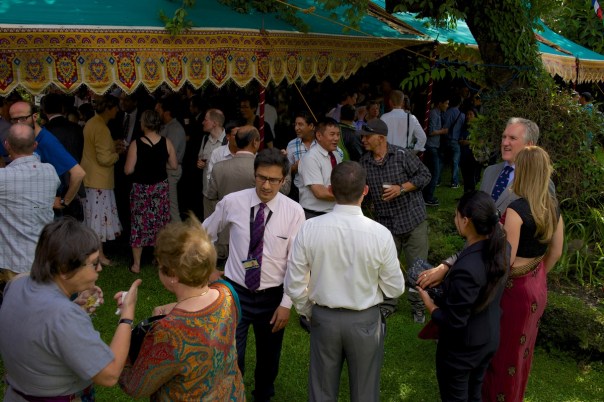
At the British Embassy yesterday to celebrate the 60th anniversary of the first ascent of Mount Everest. Pic by Peter
Nepal and the world of mountaineering celebrated 60th anniversary of the first successful ascent of Sagarmatha (Mount Everest) yesterday. I attended one celebratory reception at the British Embassy in Kathmandu (pic above by Peter Allen). Reinhold Messner and Lydia Bradey cut a cake in the shape of Sagarmatha. (Read more about the event here which is interesting). Friend Deepak Adhikari, who interviewed Messner at the event, said he loved the way an article that I wrote about Messner years back began. I couldn’t remember the story he was referring to. In the evening I Googled and found a few articles that I had written for Kantipur on mountaineering, the Sherpas and the world’s tallest mountains (Everest, Cho Oyu). I found one on Messner (written nine years ago) but I don’t think that’s the one Deepak was talking about. (धेरै…)
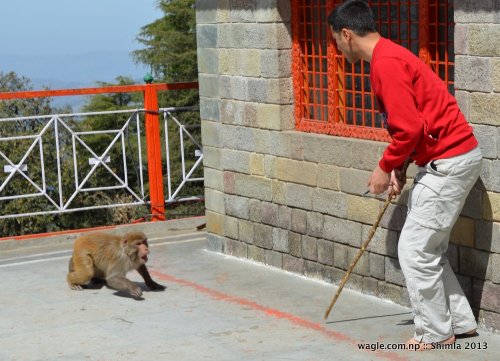
Shimla’s monkeys are agressive and audacious. They don’t seem to miss an opportunity to intimidate, attack and assault humans. A huge Hanuman statue standing atop the Jakhu hill (of whose base the town Shimla is located, sort of) could be the source of their arrogance. That’s my assumption. Hanuman’s statue, way bigger than the Gandhi’s at the base of the hill, must have made them feel that they are superior to humans. Again, assumption. I noticed several ‘be aware of monkeys’ notices in the town.
I have seen monkeys in many places- in the village where I was born and grew up, in many other villages of Nepal that I have visited, and in jungles where my trail passed through. Have seen them in cities as well- many places of Kathmandu and Delhi (Have written an entire column about the unfriendly monkeys of Delhi that sneaked into my apartment to steal things- Humans and monkeys struggle for space in the Indian capital). But I’ll put the monkeys of Shimla at the top of the list of the most agressive monkeys that I have ever seen. (धेरै…)
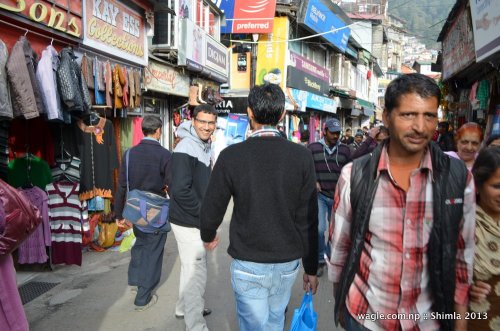
Shimla is a town of Monkeys who behave like Monkeys. But I will keep this album free of monkeys. I present here the atmosphere of the town- crowds and buildings- as I saw it.
During my two-year stay in Delhi as a reporter I traveled to most of the famous ‘hill stations’ in north India. Here’s the list: Darjeeling, Shillong, Mussoorie, Manali and Gangtok. Somehow I hadn’t found time to go to Shimla. I had imagined the place to be not drastically different from other hilly Indian towns. But some descriptions that I had come across (can’t remember the exact one at the moment) had put this place slightly ahead of others in the beauty contest of ‘queens of hills’. May be some political events (like the Shimla Agreement) provided some importance (and glamour) to the place. I also wanted to experience the toy train of Shimla (and wanted to compared it with similar one in Darjeeling). (धेरै…)