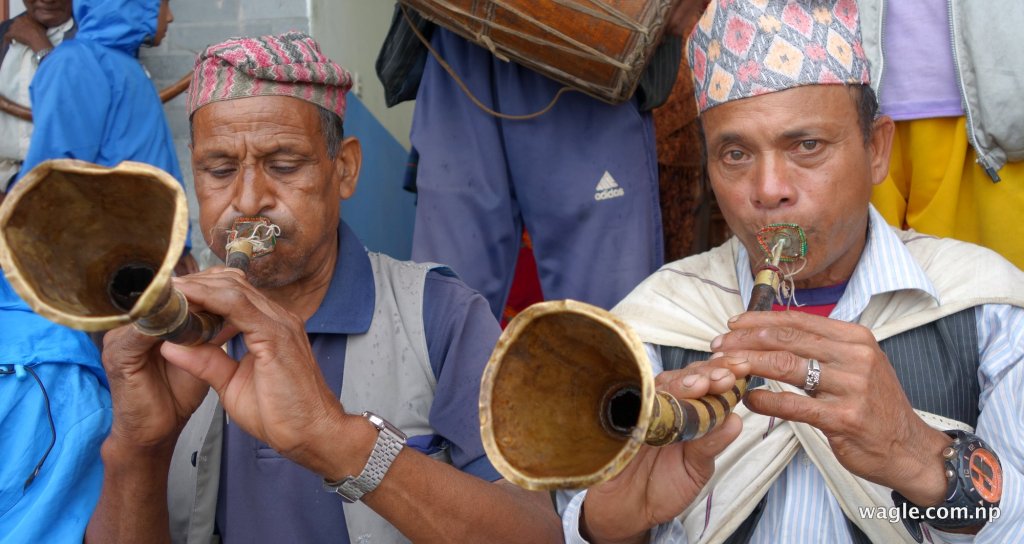
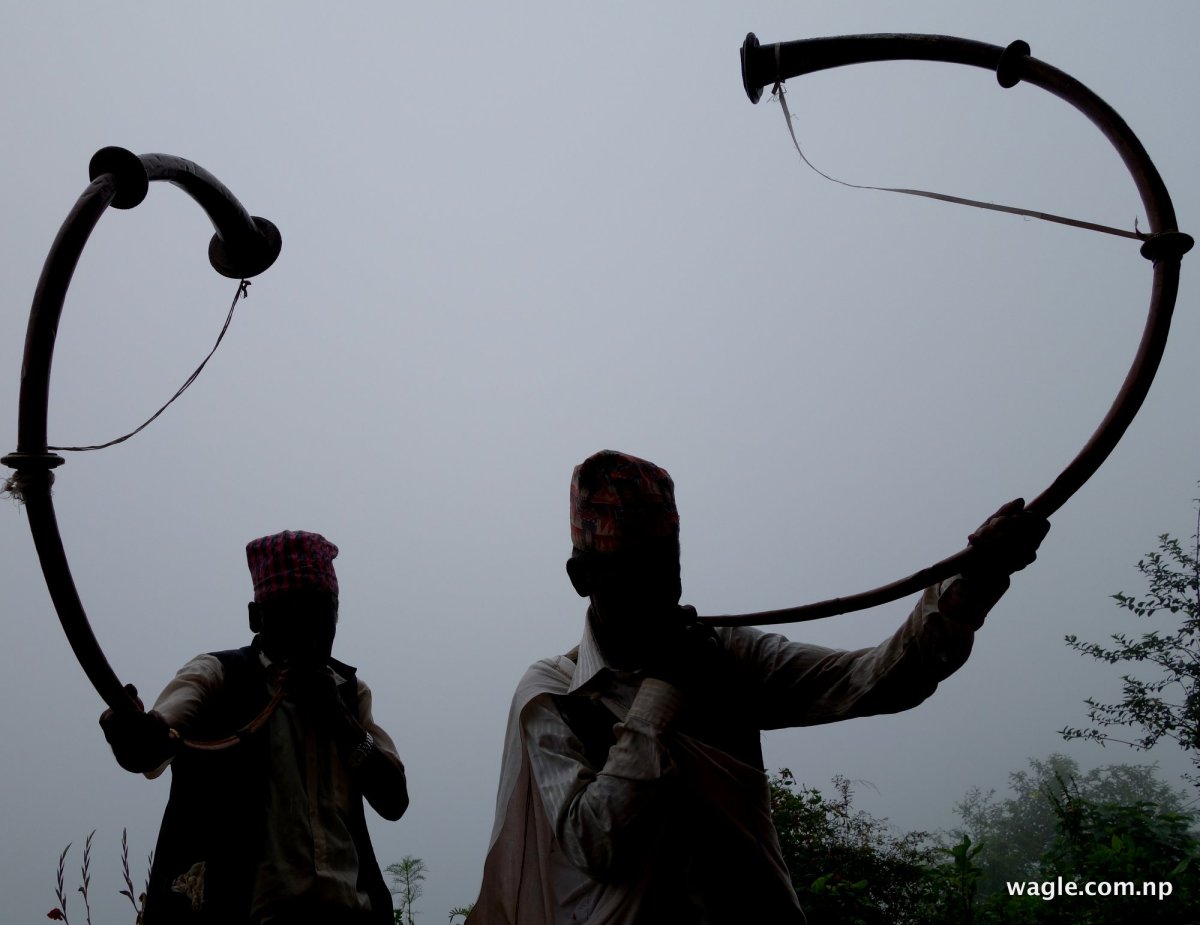
Men blow Narsinghas in Dhampus village, Nepal. According to this page (http://bit.ly/2ak5iWj), the name Narsingha means “buffalo horn,” but the instrument is much larger than the horn of a buffalo. The same page states: The Narsingha is a long curved natural horn with a conical bore, which varies widely in size, shape and usage in ensembles throughout Nepal.
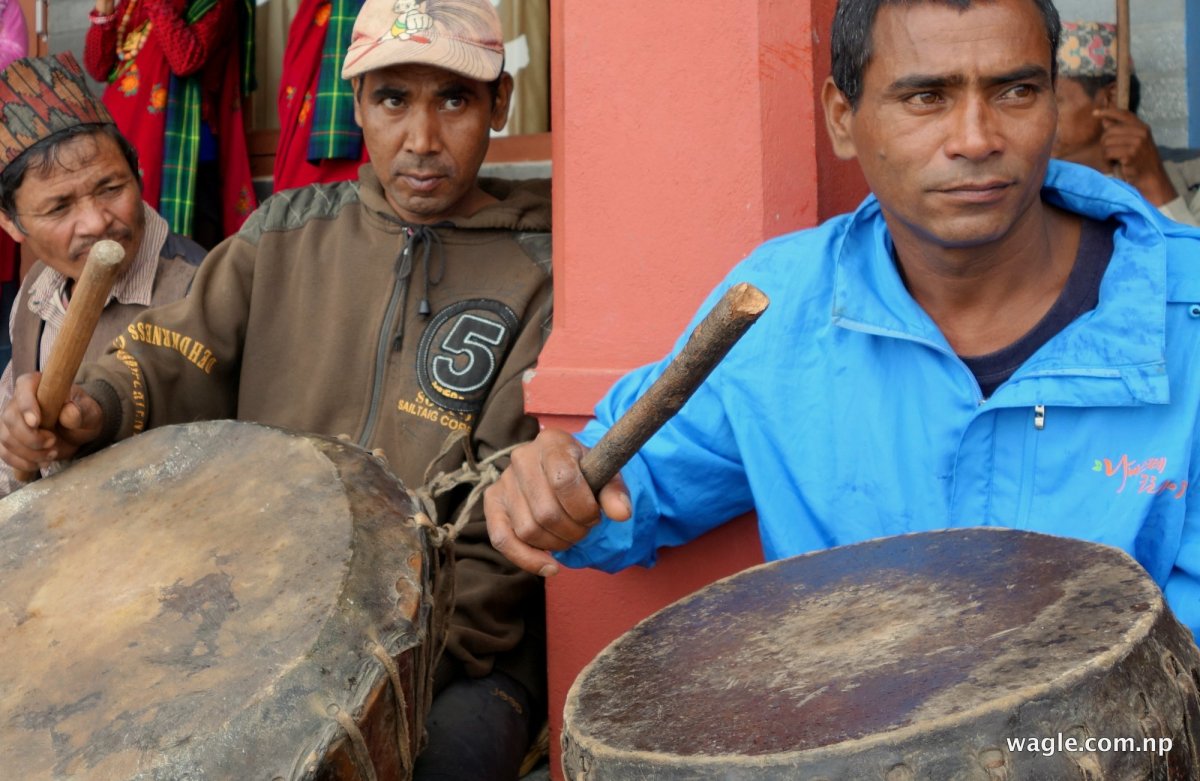
A wedding ceremony? An auspicious occasion? Someone very important, a thulo manchhe, coming in the village? Play the panche baja (the five -musical- instruments). That’s still the case in many Nepali villages. These photos are from Dhampus village, north of Pokhara that offers beautiful views of the Annapurna range. When I was there last year around this time, the mountains were hidden in the clouds. Mesmerizing dhoon of panche baja played to welcome some thulo manchhes I was traveling with compensated the lack of great mountain views. I again saw panche baja played in a village in Lamjung earlier this year when to welcome a thulo manchhe.
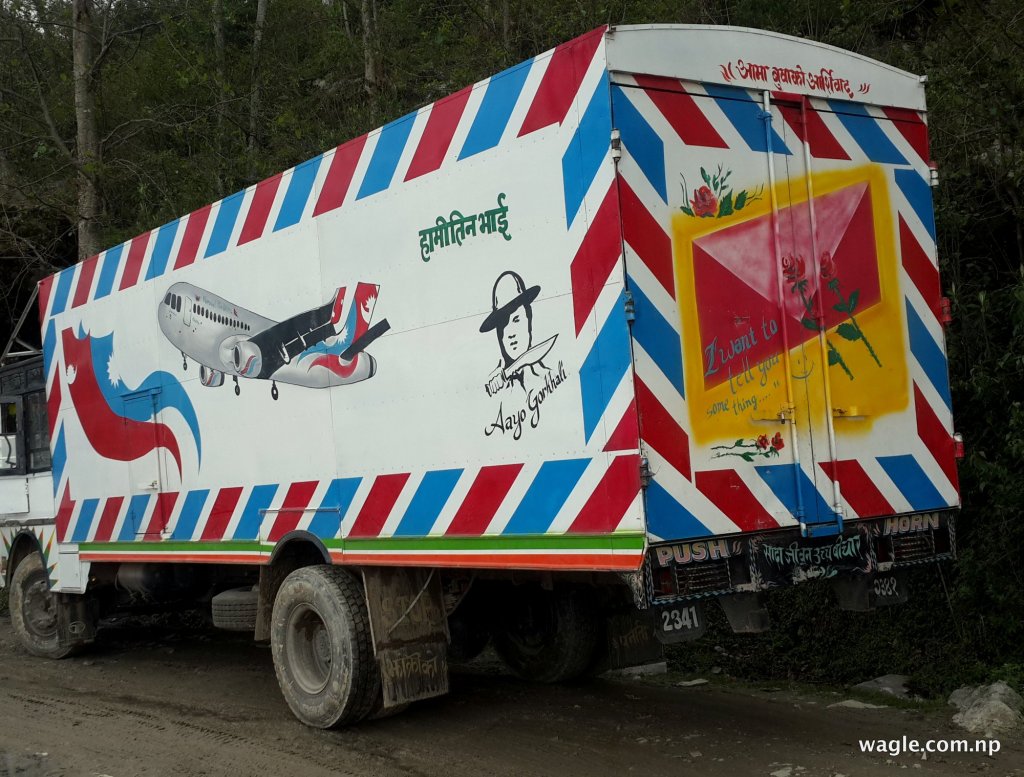
One recent afternoon I spotted a few beautifully decorated trucks not very far from the China border north of Kathmandu. They were stuck there. Mudslides had blocked a long stretch of the narrow road, or what we in Nepal unashamedly call a highway.
I asked a driver why his truck along with others had images of envelopes and the Nepal Airlines planes painted on their bodies. Some lorries had the flag of Nepal in various forms painted on them. “It’s just one of those paint templates available in the workshop in Kathmandu,” he said. “I like this one.” His truck had a stretched flag of Nepal and the national flag carrier’s corporate emblem portraying the sky god Aakash Bhairav.
The Kathmandu-Kerung highway has become busier lately. The Araniko highway remains out of order since the April 2015 earthquakes. It means that business has shifted to Kerung, which brought along a large number of lorries on this road. As if that was not enough, the Indian blockade happened last year forcing even more trucks to run on this fragile, winding and difficult road. This is being expanded and improved. But that’s another story.
A truck driver waiting for the green signal.
I saw this lorry on Prithvi highway, near Kathmandu:
तपाईँलाई इमेलमै पछिल्लो ब्लग, लेख र तस्बिर पठाउन पाउनु मेरोलागि खुशीको कुरा हुनेछ ।बाकसमा आफ्नो इमेल ठेगाना हाल्नु होला । धन्यवाद 🙂
अाैला छिनमै सकिन्छन् काठमान्डूका खरावी गन्न थाल्ने हो भने ।
जस्तो कि, अचेल काठमान्डूमा वर्षा थामिएपछिकाे घमाइलोमा सकडहरू धुलाम्ये हुन्छन् । कार्यालय समय सकिएलगत्तैको हतारोमा तिनै सडकमा गाडी र बाईकहरू अटेसमटेस गर्दै घिस्रिरहेका हुन्छन् । मानिसहरू पनि दिनैभरी जस्तो कम्युटरमा अाँखा गाडेर निस्केका हुन्छन् । धुवा र धुलोबाट बच्न बटुवाहरूले मास्क लगाएका हुन् कि मुखुन्डो छुट्याउन कठिन हुन्छ । अत: त्यस्तो प्रतिकुल परिस्थितिमा धेरैलाई एकछिन अडिएर सूर्यास्त हेर्ने फुर्सद कसरी होस् । कतिलाई त रहर पनि हुन्न होला ।
साँझ छ बजेदेखि पौने सातसम्मको क्षण काठमान्डूको पश्चिमी अाकासमा, डाँडाहरूको टुप्मैमा कमजोर घाम अस्ताउनै लागेको हुन्छ । कमजोर तर बेजोड सुन्दर । मनमोहक । नाङ्गा अाँखाले सिधै हेर्न सकिने कमजोर । अाखाँ जुधाइरहन पनि हुने र त्यसै गर्न मनलाग्ने । राअाअाअातो । रातो? पहेहेहेलो । ल ल थुप्रै रंगहरूको मिस्रण जस्तो । त्यसले फालेका किरणहरूमार्फत गर्मी हैन शितलता फैलेको जस्तो हुने के । हात लम्काएर मुठ्ठीमा बाधौं जस्तो । छाम्न सकिने भए ‘नरम रैछ’ भनिने खालको ।
होअोअोअो त्यो डुब्नलागेको घाम मलाई अौधी मनपर्छ । कतिसम्म भने यो ऋतुमा धेरैजसो दिन म त्यही क्षण पर्खेर बस्छु । सकेसम्म नछुटाउने प्रयास गर्छु । उपत्यकामा सबैभन्दा राम्रोसँग त्यो दृश्य कहाँबाट देखिएला भन्ने पत्ता लगाउन खुवै चासो दिन्छु । (थाहा भए प्रतिकृयामा उल्लेख गर्दिनुस् ।) तर समयलाई रोक्न कहाँ सकिन्छ ? केही मिनेटमै त्यो घाम अाकाशमै विलाईहाल्छ । जे होस्, सूर्य अन्धकारमा डुब्नुअघि वा भनौं मलाई अधेरोमा डुवाउनुअघि सूर्यास्तले यो शहरका सारा कमजोरी र यहाँको बसाइका सबै चुनौतीहरूलाई विर्साइदिन्छ है । त्यति चैं गर्छ ।
त्यो रोमान्चक क्षण अवेर साँझसम्मै र धेरैजसो अवसरमा त ननिदाउँन्जेलसम्म मनमै रहन्छ ।
अस्ताउदै गर्दाको पलको कुरागरी साध्य छैन । एकैछिन त मन यति फुरूंग हुन्छ उभिईरहेको थुम्कोबाट स्पाईडर म्यान झैं उफ्रिउँ अनि हत्केलाबाट सूर्य लक्षित एउटा लामो जालो फ्याँकू । सके त्यसलाई त्यही रोकूँ नभए जालोमा झुन्डिदै त्यही पुगूँ । चाहनाहरू त्यसले असीमित सिर्जना गरिदिन्छ ।
वितेका थुप्रै दशकयता कुरूप बन्दै गरेको शहरमा सूर्यास्त चै किन सुन्दर रहिरहेको होला ? के यो संसारकै मनोरम सूर्यास्त हो ? काठमान्डूको भ्यागुतोले त त्यही निस्कर्ष निकालिसकेको होला ।
सूर्यास्त
साना डाँडाले घेरिएको उपत्यकामा माैका मिले सूर्योदय र सूर्यास्त दुबै हेर्न पाइन्छ । नेपालका कतिपय पहाडी भिरालोमा बस्नेहरूकालागि चाँहि ती दुई मध्ये एउटा छनोट गर्नु बाध्यतै हुन्छ । म हुर्किएका ठाउँहरूमध्येको एउटामा बस्तीमा सूर्यकिरण ढिला अाउने र छिटै जाने हुन्थ्यो । पूर्व र पश्चिम दुबैतिर अजंगका डाँडाहरू थिए । घाम अाफूसम्म अाइपुग्दा अाघा विहान कटिसकेको हुन्थ्यो । त्यो अाफूबाट छुट्टीदा अाघा दिन बाँकी नै हुन्थ्यो । तर घाम उदाउदै गर्दाको भान जो अनुभव गरिन्थ्यो पश्चिमतिरतको पहरोलाई हेरेर त्यो सहजै कहाँ विर्सिइदोरहेछ र । त्यो अनुभव एउटा रूचिपूर्ण कथा पढेजस्तै हुन्थो । कथा कतिबेला सकिएला भन्ने हतारमा पान्ना पल्टाएजस्तै घाम कतिबेला पहरो अनि पहाडको भिरालोमा चिप्लिदै अाफूसम्म अाईपुग्ला भन्ने काैतुहल हुन्थ्यो । कतिपय विहान पहरामा घाम त्यसरी सरेको हेरेरै वित्थे । धेरै बर्षपछि थाहा भयो झन अग्ला र चम्किला डाँडाहरूको बीचमा उभिदा सूर्योदय र सूर्यास्तको नियमित प्रकृया झन बढी नाटकिय, रंगीन र रौनकपूर्ण हुदोरहेछ भन्ने ।
सम्झिन्छु अन्नपूर्ण अाधार शिविरको त्यो साँझ । हामी सबै पूर्व फर्केर घाम अस्ताएको हेरिरहेका थियौं । नाजुक सूर्यकिरण माछापुछ्रेको गर्धनमा ठोक्किएका थिए । त्यो विशिष्ट पहाडको अरूबेला अप्रेरणादायी अनि हिउँ अडिन नसक्ने पहरो भाग समेत अाखै नहटाई हेरिरहुँ जस्तो राम्रो भएको थियो । माछापुच्छ्रेको सुन्दर मुहार हेरेर बानीपरेकाहरू त्यो हिमालको अाधार शिविरबाट उसको विनाकुनै व्यक्तित्वको ढाड हेर्दा म जस्तै निराशाले पिरोलिन सक्छन् । तर अस्ताउदो सूर्यका किरण ठोक्किएको त्यो क्षण त्यो ढाड समेत नयनप्रिय भएको थियो । भोलिपल्ट विहान सबैका मुन्टा सूर्योदय हेर्न पश्चिम फर्केका थिए । ताजा किरणहरू भव्य अन्नपूर्णको पूर्वी टुप्पोेमा ठोक्किदै विस्तारै तलतल सर्दै थिए । हरेक सेकेन्ड कौतुहलपूर्ण थिए । (धेरै…)
A helicopter ride is not an everyday event. Rarer is when you fly several times in a matter of days in different whirlybirds. Add hill-hopping to that. And these details: walk in a national park looking for tigers in the afternoon and wake up in the morning atop a hill to find the mighty Manaslu staring at you. Hike in the Himalayan foothills, sort of, with an international celebrity who is being followed by the TV cameras. What could be more exotic, right? But this view behind me, of an MI 17 parked in the middle of a corn field surrounded by massive hills and not far from mud and stone houses partially damaged by the quakes, is what I find to be the most stunning of all drishyas that I have seen in the past few months. It will remain with me for some time to come.
त्यो दिउसो म त्यहाँ पुग्दा सोह्रखुट्टे पाटी ढलिसकेको थिएन । तर त्यसको छानो उडिसकेको थियो । काठमान्डू सहरका सर्वाधिक ख्यातिप्राप्त ल्यान्डमार्करूमध्येको त्यो सत्तल छिट्टै नजिकै स्थानान्तरण हुनेवाला थियो । सडकलाई फराकिलो हुनबाट रोकेको हुनाले तुलनात्मकरुपमा एेतिहासिक त्यो संरचनालाई सार्न लागिएको थियो । त्यो प्रकृया निर्विवाद थिएन । तर मेरो ध्यान त्यसलाई खोतल्नु थिएन । म त यत्तिकै, बरालिँदै, त्यहाँ पुगेको थिएँ ।
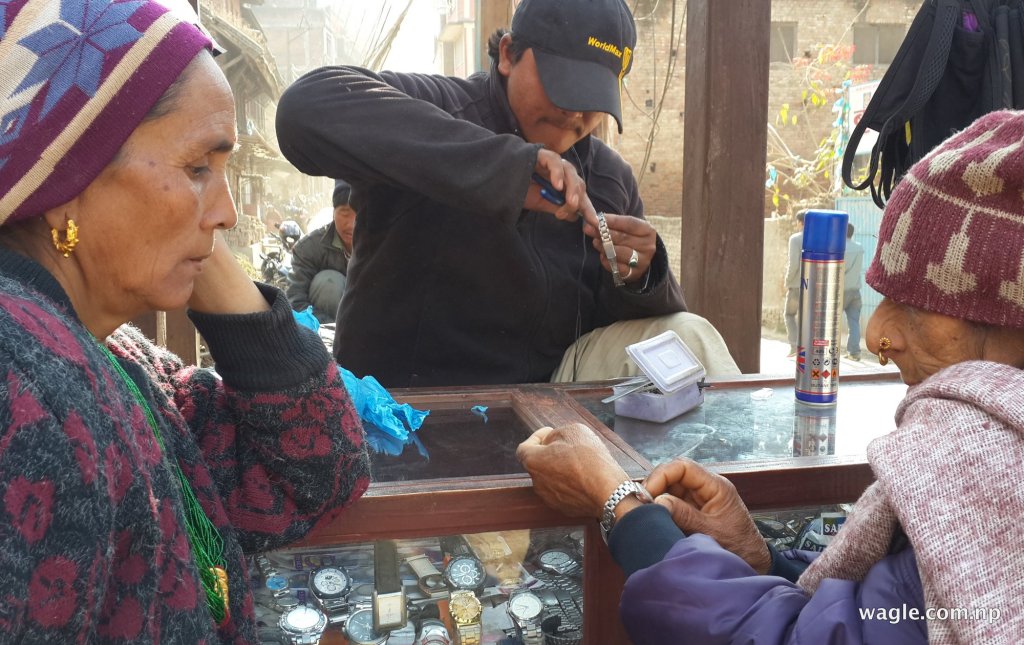
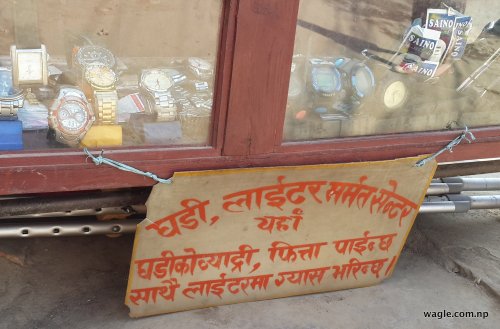
सोह्रखुट्टे पाटीको नाङ्गो छानोमुनी केही मानिसहरू केही गर्दैथिए । एउटी महिला केही कपडाहरू अोल्टाईपल्टाई गर्दैथिइन् । शायद त्यो उनको बिछ्यौना थियो । दुइ पुरुषहरू एउटा भाँडोबाट अर्कोमा केही खन्याईरहेका थिए । शायद त्यो कुनै पेय पदार्थ थियो । अनि एकजना अधवैंशे सज्जन पाटीको एउटा कुनामा बसेर घडी मर्मत गरिरहेका थिए । उनी अगाडीको बाकसमा झुन्डेको पातोमा लेखिएको थियो-
“घडी, लाईटर मर्मत सेन्टर । यहाँ घडीको ब्याट्री, फित्ता पाईन्छ । साथै लाईटरमा ग्यास भरिन्छ ।”
काठमान्डूको सुपरिचित संरचना सोह्रखुट्टे पाटी पूर्णत भत्काइनुभन्दा केही अधि
उनी एउटा घडीमा व्यस्त हुँदा उनी अघिल्तिर दुइ महिलाहरू बडो चासोपूर्वक उनको काम नियालिरहेका थिए । ती दुइ मध्ये अलि कम उमेरकी जस्ती देखिनेले अाफ्नो देब्रे कुहिनो सोकेसमा अड्याएर हत्केलामा मुन्टो अड्याएकी थिइन् । यो सबै दृश्य केहीबेर अवलोकन गरिसकेपछि मलाई ती घडी मर्मतगर्ने मान्छे नजिककै जान मन लाग्यो । विना कुनै कारण । खोटाङतिरका ती दुबै महिला त्यहाँ अा-अाफ्ना घडीहरू मर्मत गराउन पुगेका रहेछन् ।
“यहाँ यो पसल खोल्नुअघि मैले खुबै सोचे,” वरीपरीका ग्राहकहरू गएपछि फुर्सदिला बनेका घडी मर्मत गर्ने भलाद्मीले मेरो एक प्रश्नमा भने, “एक मनले सोचेको थियो, अब म बाँच्न सक्दिन । मरौं जस्तो लाग्यो । साच्चै । मरौं नै जस्तो लाग्यो मलाई । तर फेरी अर्को मनले भन्यो, म त झन्डै मरेको मान्छे । अब झन बाच्नु पर्छ । हरेस चैं खानु हुन्न । अनि मैले यो पसल थापे । अब यहाँ त ग्राहक मकहाँ अाउछन् । मैले उनीहरूकहाँ जान पर्दैन ।” (धेरै…)
झन्डै पाँच वर्षअघि पुरानो दिल्लीको जामा मस्जिदका सिंढीमा बसेर भव्य लाल किला हेरिरहँदा मैले एउटा अनपेक्षित दृश्य देखेको थिएँ । एउटा अपरिचित ठिटोले मसँगै त्यहाँ पुगेका मेरा एकजना साथीको दाईने कान तान्न खोजिरहेको थियो । केटोको हातमा सियो जस्तो लाग्ने बस्तु थियो । तर्सिएकै त नभनौं तर अचम्मित मेरा मित्र अाफ्नो कान र अाफैलाई पनि जोगाउन प्रयासरत थिए । मलाई एक मन त लाग्यो हन के हुदैछ यहाँ । त्यही अन्योलको क्षण केटोले मेरा साथिलाई भन्यो- “अापके कान बहुत गन्धा है भैया । मै साफ करूँगा ।”
कान सफा गर्ने उसको पेसा रैछ । (त्यो दिनको घट्नाना’bout मैले यहाँ लेखेको छु ।)
केही साताअघि कोटेश्वरबाट दक्षिणपूर्व लम्किदैगर्दा मैले अर्को अनपेक्षित तर चाखलाग्लो दृश्य देखें जसले मलाई जामा मस्जिदको त्यो घट्नाना झलझली सम्झायो । ट्राफिक कार्यलय अगाडी अरनिको राजमार्गको पैदलपथमा टुसुक्क बसेका एकजना व्यक्ति मुन्टो बंग्याएर दाह्रा किटिरहेका थिए । अर्का व्यक्ति निहुरिएर उनको कान खोतलीरहेका थिए । त्यहाँ के भइरहेको थियो भनि खुट्याउन मलाई कत्तिपनि सोच्न परेन । केहीबेर त्यहीँ उभिएर घट्नाना नियाँलें ।
दाहिने कान खोतलिदै गर्दा ती दाजुको हातमा रहेको फोन बज्यो । शायद महत्वपूर्ण कल थियो त्यो त्यसैले उनले कुरा गर्न चाहे फोनलाई देव्रेकानमा टासेर । उनले त्यसो गरिरहदाको त्यो क्षण कान सफा गर्ने दाजु फुर्सदिला बने । त्यही मौका छोपेर मैले उनीसँग केही बात मारे । शुरूमा त मलाई उनको बोलीको लवज सुन्दा जुम्ला या मुगुतिरका हुन् कि जस्तो लाग्यो तर हैन रहेछ । (धेरै…)
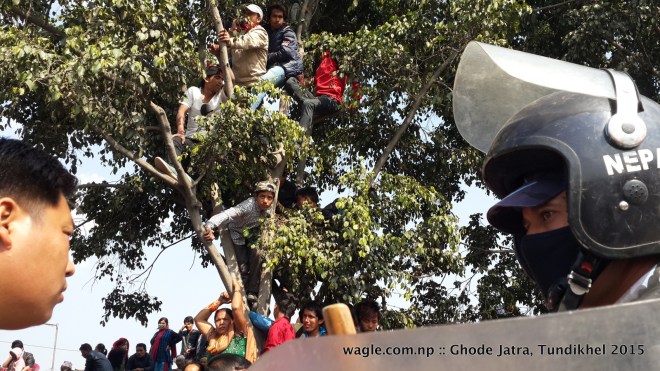
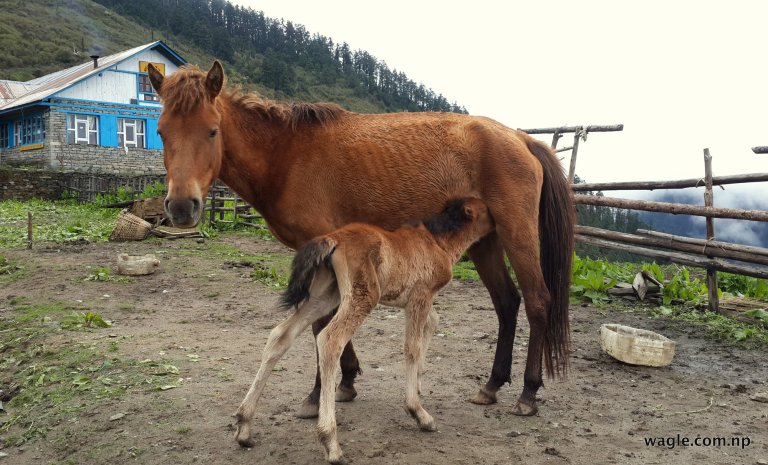
The Nepali word jatra means a festive atmosphere. Ghode Jatra is the festive atmosphere that involves ghodas (horses) and men, of course. Don’t know if horses too enjoy the moment but that’s a topic for another entry.
The word jatra also means a mess. Things are not in order. Out of control, sort of. Like the traffic of Kathmandu. (धेरै…)
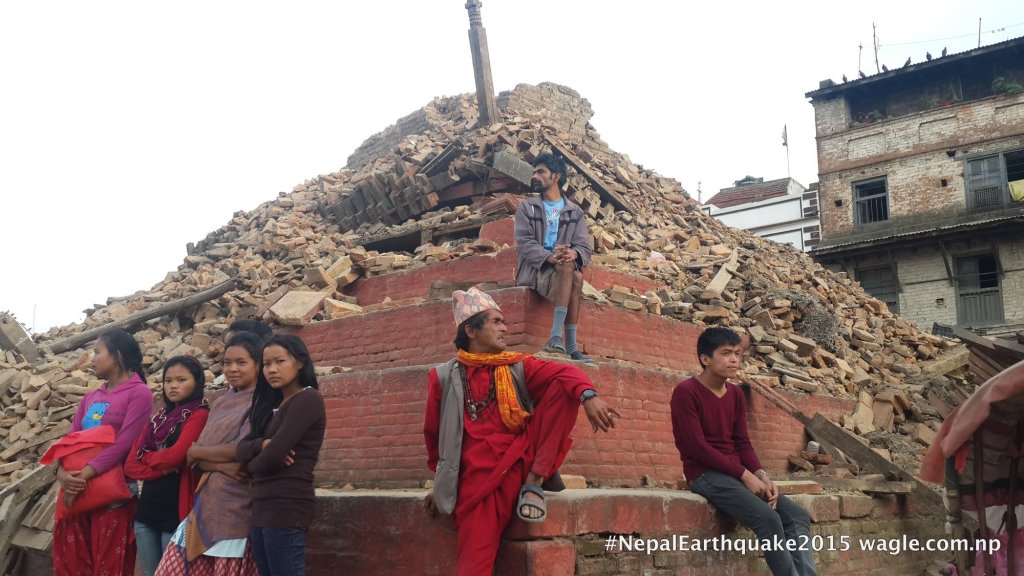
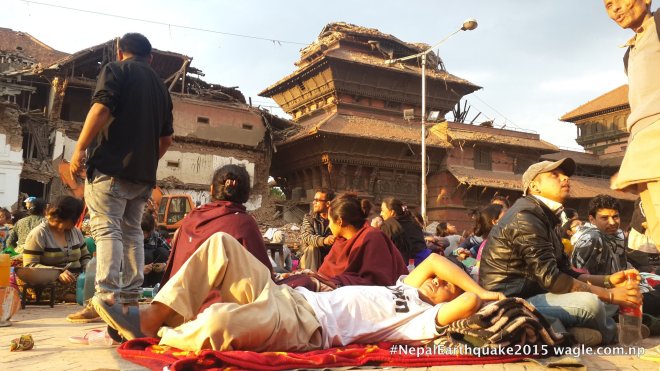
A day after the #NepalEarthquake, Basantapur was crowded by people who wanted to escape the aftershocks.
A day after the #NepalEarthQuake, I went to Kathmandu’s Darbar Square. The scale of devastation was massive. Many of its attractive buildings, former palaces and temples, had either completely collapsed or were heavily damaged. The landmark Kastamandap building had been reduced to rubble. Two other beautiful temples nearby were not where they once stood. The “nau talle” darbar [the Basantapur tower, above] was still standing but it had lost its gajur. Several heritage buildings had their walls cracked. For a regular visitor of the Darbar Square, it was difficult to comprehend the sudden change brought about by the quake. A crowd had gathered at the Basantapur chowk. Most of them were lying on the ground, some facing the sky; others chatting with each other. They looked tired. Somewhat scared too. But they were generally calm. There was uncertainty on their faces. These people were very different from the ones that Basantapur used to see in normal times. Like many open spaces in Kathmandu, Basantapur too was crowded with people who wanted to escape the aftershocks.
In a normal day, souvenir and curio shops occupy the open space at Basantapur side of the Kathmandu Darbar Square.Basantapur’s Trailokya Mohan Temple
Cultural hub
A top tourist destination in town, Kathmandu Darbar Square in normal times is a bustling place. People from all over Nepal and and the rest of the world can be spotted here on a typical day. Here, vendors annoyingly follow tourists to sale souvenirs and curios. Dope dealers loiter around looking for customers. Tea sellers serve thousands of cups of tea. Singers come to perform. Artists stage street dramas. Politicians and activists gather to lecture and shout. Temples and palaces fight with each-other for a visitor’s attention. Rickshaw pullers jostle with taxi drivers to get passengers.
Once a place for kings and queens, Kathmandu Durbar Square today houses Gods and criminals, in close proximity and with no discrimination. Perhaps a slight one. Convicted and suspected ones live in police custody in the notorious Hanumandhoka lockup, of course, while the Gods and Goddesses, both living and those immortalized in statues, live free. Not only inside the temples and houses but also out in the open. This is the place where rituals and ancient traditions of many kinds are performed with great enthusiasm and participation of both public and the state. This is a place of utter paradox. An oasis of calm in most days, this place also witnesses some of the most violent cultural activities. That includes slaughtering of thousands of goats and buffaloes on certain days of the year. All in all, this is the cultural heart of Kathmandu. To be precise, this is the most prominent and visible cultural centre of one among many Kathmandus that exist in Kathmandu. But today, a day after the 25th April earthquake, this world heritage site is deeply shaken. (धेरै…)
Collapse of the Dharahara tower symbolized all quake-related devastations. But did the Bhimsen Stambha embody our pride and morale?
Soldiers and volunteers launched rescue efforts at the fallen Dharahara tower
The #NepalEarthquake claimed thousands of lives. A million houses have been destroyed, most of them in rural villages. If there was a symbol of this destruction, it was the fall of the Dharahara tower. The tower’s collapse resulted in the death of more than one hundred fifty people. A few survived. This included some who were at the eighth floor circular balcony, enjoying the view of the city, when the quake hit.
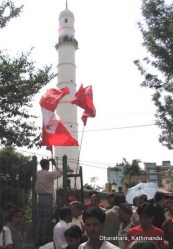
Perhaps the most famous landmark of Kathmandu, the Dharahara tower is no more. A pro-democracy rally in 2005.
Judging by the way people have reacted to the destruction of the eleven-story minaret with Shiva’s statue at the top, I feel that its collapse symbolized all quake-related devastations. It was as if Dharahara was somehow indestructible (though quakes had damaged it in the past too). “Even the Dharahara fell, can you imagine?,” was a typical reaction.
A man from Sikkim who had come to quake-hit Sindhupalchok with relief materials told journalist Kiran Bhandari, “We heard in the news that even the Dharahara had collapsed. We could only imagine what might have happened to Kathmandu. We were shocked.”
In most post-quake writings and social media comments, the Dharahara has been implicitly or explicitly portrayed as the pride and morale of the Nepali people. Images of the destroyed tower along with the words “we will rise” have been circulated widely. This show of affection to Dharahara greatly surprised me because the monument had largely been ignored.
After much reflection, I have reached the conclusion that the Dharahara did not represent the pride and morale of the Nepali people. Certainly not mine. My pride and morale didn’t fall along with the tower to the extent of saying ‘we will rise’ on the social media along with the image of the undamaged Dharahara.
It was made for and by the rulers. The commoners had no say in the way it was built and in the way it was used. The tower was not built for the general public to use it though it was opened to the commoners for climbing in 2005.
Having said that, the monument was the postcard representative of the city of Kathmandu. Indeed, in the hills where I was born and raised, Dharahara symbolized the city of Kathmandu.
“So what will you see in Kathmandu?” That was the question grown-ups asked kids who were about to leave for the capital.
“Dharahara!”, excited kids would scream back.
“So what did you see in Kathmandu?” Adults would ask kids who had just returned from the Valley.
“Dharahara!”, the kids would reply. (धेरै…)



 झन्डै पाँच वर्षअघि पुरानो दिल्लीको जामा मस्जिदका सिंढीमा बसेर भव्य लाल किला हेरिरहँदा मैले एउटा अनपेक्षित दृश्य देखेको थिएँ । एउटा अपरिचित ठिटोले मसँगै त्यहाँ पुगेका मेरा एकजना साथीको दाईने कान तान्न खोजिरहेको थियो । केटोको हातमा सियो जस्तो लाग्ने बस्तु थियो । तर्सिएकै त नभनौं तर अचम्मित मेरा मित्र अाफ्नो कान र अाफैलाई पनि जोगाउन प्रयासरत थिए । मलाई एक मन त लाग्यो हन के हुदैछ यहाँ । त्यही अन्योलको क्षण केटोले मेरा साथिलाई भन्यो- “अापके कान बहुत गन्धा है भैया । मै साफ करूँगा ।”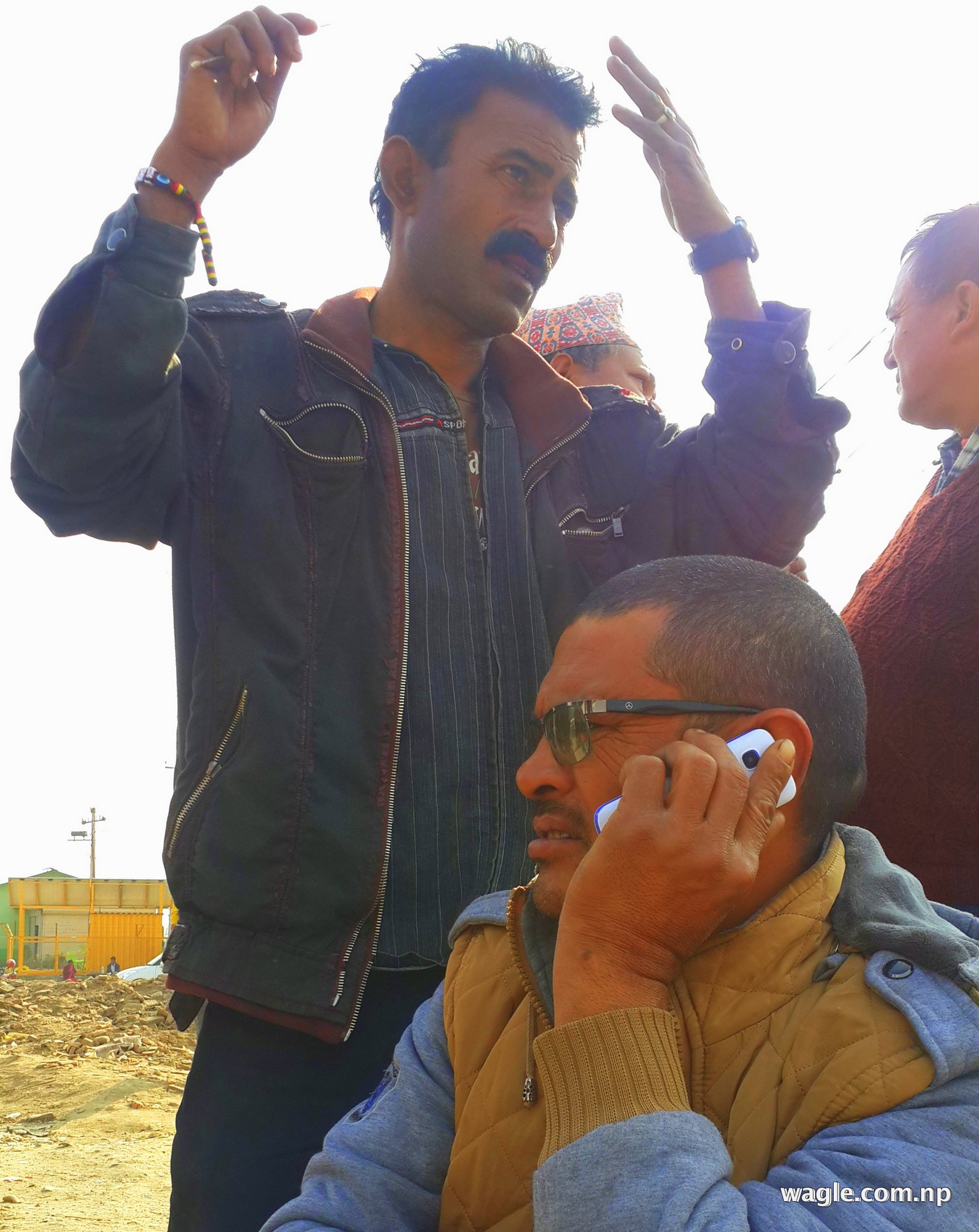
![Jatra [जात्रा]](https://wagle.com.np/wp-content/uploads/2015/03/1-20150320_143442.jpg?w=1024)