Latest stories – पछिल्ला टिप्पणीहरू

  • Crossed the Dhorpatan River. Danced in Nishel Dhor

    Crossed the Dhorpatan River. Danced in Nishel Dhor

    I woke up at 8 in the morning. Unusual in normal times. Unusual when I am traveling. When I am not traveling and staying home I wake up very late. Like around 9:30. When I am traveling I generally wake up very early, like 5:30 or 6 because of the pressure involved. It’s better to walk early in the morning before sun comes up to suck up your energy.

    First day’s walk had been longer than it should have actually been. That had made me more tired.

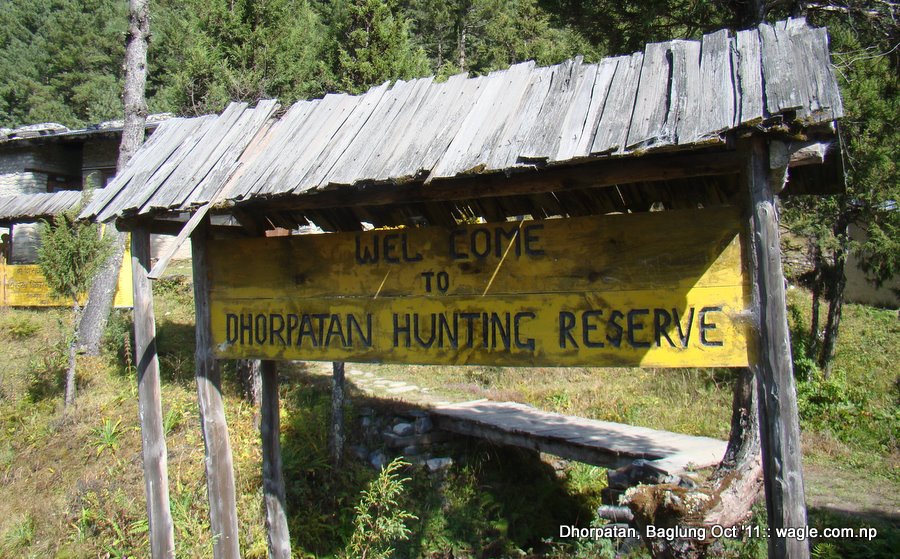
    So I woke up at 8 am even though the alarm bell on my cell phone had dutifully alerted me at 6:30 am. After having a cup of tea and a Tibetan bread I was ready to explore the valley. It was my plan to explore the Dhorpatan valley in the morning before resuming the walk for a few hours to reach a place called Nishel Dhor (or Nishi Dhor). As per the suggestion of the sahuji of the hutel, I took the shortcut to reach the other side of the valley. That meant avoiding the proper trail which has a bridge to cross the river and saving myself from walking about an hour just to reach the other side where offices of the hunting reserve and a Tibetan refugee settlement are located. Both are close to the airstrip under maintenance. (धेरै…)
  • Dhorpatan. From Burtibang.

    Dhorpatan. From Burtibang.

    Linge Ping
    'Pinging' in Pingdanda of Baglung

    (Oct 14 Note: Pics will be posted later when I reach Kathmandu. I am still on the move. Libang, Rolpa is the current location.)

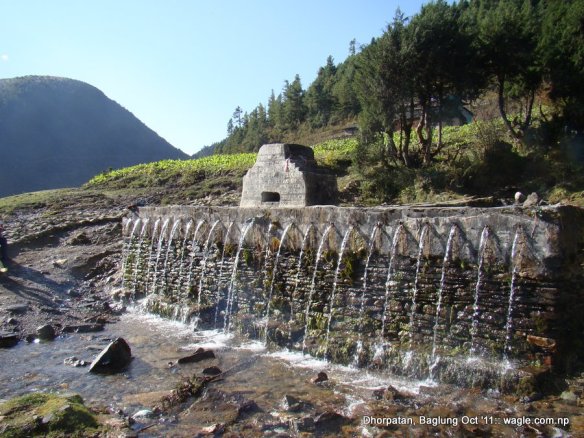
    A long and tiresome journey. Walked for about 10 hours to reach a place that is a small valley surrounded by jungle on all sides. The forest is where hunters come to aim at wild animals. Dhorpatan is Nepal’s only hunting reserve. You are permitted to kill animals of your choice (there are some conditions to abide by and royalty to pay). Western hunters land in helicopters to venture into the jungle. A river flows through the middle of the valley. Houses are scattered on the laps of the hills. Eastern and western parts of the valley- opposing ends of the river- have comparatively ‘densely populated’ neighborhoods. The space in the middle of the valley is empty and open. Apparently the river occupies most of that land in rainy season. In other times, however, this serves as a grazing field for horses and donkeys. River water is cold. This whole area is covered by snow- as much as two feet in the valley- in winter. Snowing will start in a couple of weeks, I am told. A small and rarely used airstrip- apparently under construction- is on the northern bank of the river (north-eastern side of the valley). The river flows from east to west. I am not sure about the altitude of this place at this point. (Added later: 2850 m to 3000 m in the valley.) The valley itself may not be that high (Poon Hill, for example, is at 3200 m.)

    (धेरै…)

  • A tractor ride and the highway

    A tractor ride and the highway

    mid hill highway in nepal
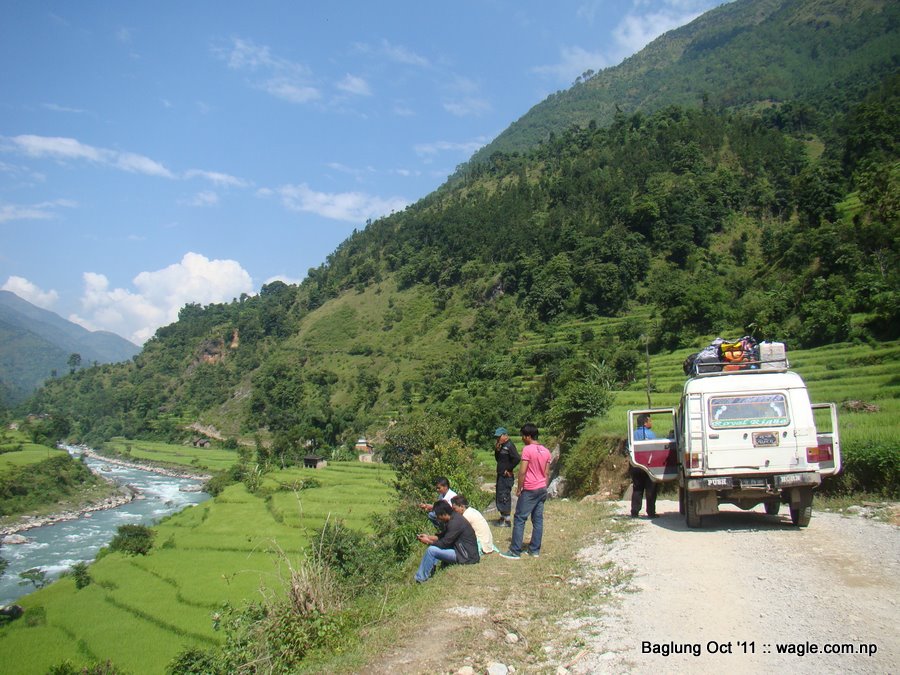
    My co-travelers. We had to stop in the middle of the road, not very far from Burtibang but before taking that Tractor ride, because the driver said the jeep ran out of gas!

    To the plains,

    I traveled a distance of about 96 kilometers in the past 36 hours. Of those thirty-six hours, I spent almost 11 hours in Jeeps (four in total including a Hulas Mustang) AND a tractor with six wheels. Of those 11 hours 2 may have been spent taking breaks and waiting for the next jeep. This is a HIGHWAY that will, after its completion, connect many rural villages of hilly Nepal with each other, to district headquarters and, of course, to Kathmandu.

    The road is still under construction and there are no bridges at many places which means passengers have to change jeeps whenever a major river comes (it’s the same river twice). And there are landslides at two points. Passengers have to walk for as long as four kilometers (half a hour or so) at such blockades so as to meet a waiting jeep. And if there is no jeep waiting, they have to wait for it. AND if there is no jeep at all (“one has just left and will come back only after 1.5 hrs and other one is broken”) you hop into a tractor and complete the journey. The tractor part, though not entirely new as I had seen people traveling in tractors in Karnali highway in 2007 when it was being constructed. I had willingly and for fun had tried that for a few minutes. Today it was not a matter of choice. It was compulsion. Well, may be not. I could have chosen to walk for two hours under the mid day fully bright sun. Like many of my jolly travel mates (that’s a separate story) I preferred a tractor ride over trekking. And it was so unique an experience for me that I was tempted to make (and successfully made, after several attempts) an international call to share the experience live. (धेरै…)

  • A Nepali village- Hatiya (and Harichaur)- of Galkot, Baglung

    A Nepali village- Hatiya (and Harichaur)- of Galkot, Baglung

    a nepali village of baglung galkot (2)
    Enjoy the view.
    DW

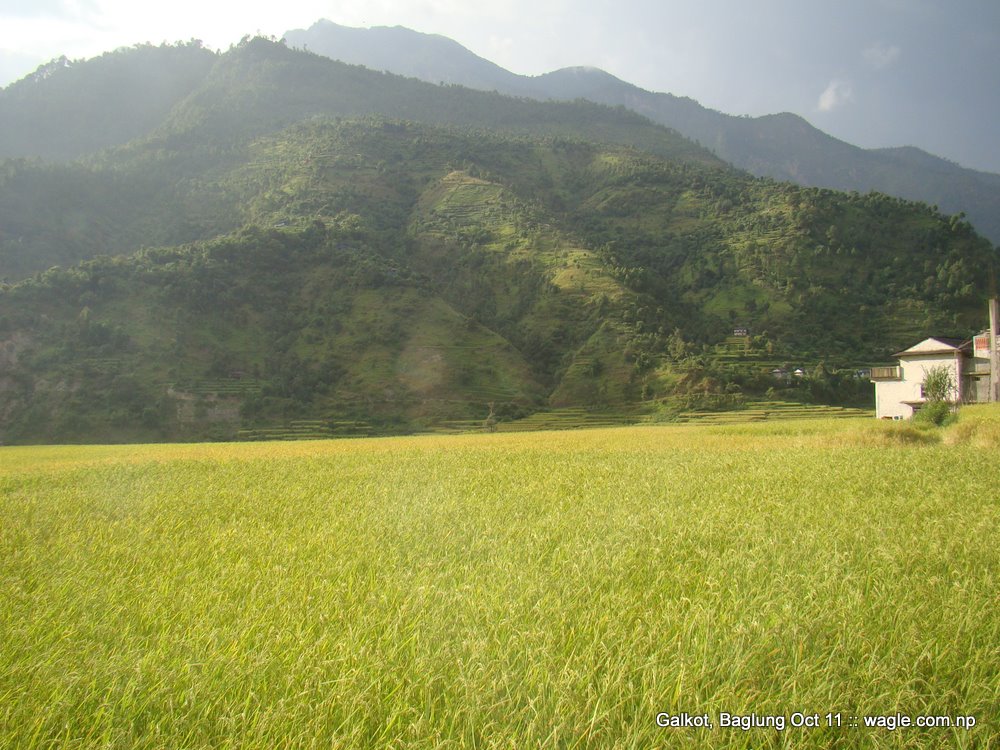
    I have decided to stop here in this village called Hatiya (of the Galkot region of Baglung) tonight. It’s a mixture of voluntary and forced decision. I got a friend here in this village. On the other hand, jeeps that came from Baglung Bazaar don’t go beyond this point. I will have to walk for about half an hour and cross the stream to find a jeep that will take me to Burtibang. I talked to a few locals here- went to a FM station that has been established recently. I talked to a ‘model’ farmer who grows organic food professionally and sells them to earn an enviable living- going by the local standards. Here are some photos that (my friend and) I took during our walk in the village. We also crossed over to the neighboring Harichaur village. In fact the rice fiends seen in the photos are from Harichaur. (धेरै…)

  • From the hills [Baglung Bazaar]

    From the hills [Baglung Bazaar]

    baglung kalika temple dashain festival
    Devotees lined up to get Darshan of goddess Kalika at the Kalika Devi temple near Baglung Bazaar on the 7th day of Dashain (2 October 2011)

    Long and mostly tiresome bus journeys.From THE valley to the almost plain to the lap of the giant hills where I always love to be in. This moment is on the 30th hours of the journey that has already seen many faces- many of them happy some sad and filled with frustration. A few of them had no expression at all. Or, it could be equally true that I was unable to read them or I failed to capture their facial expressions properly. But I could hear them. So many different ways of saying things. Quite a few new words though not dramatically different from what I was used to with.Some talks and chitchat were amazingly interesting and revealing. They exposed the mental status of the persons involved in those conversations. They also told who those persons were WITH regard to-this is very important- the complex social, economical and political structure that is the Nepali society. The trail wasn’t new to me as it was not the first time I had traveled on that part of the trail. But as soon as the sun set I ventured into the area where I had never been before. The hills are all too familiar because wherever one goes in Nepal at this altitude it’s all the same. You definitely don’t need fans which brings me to the tweets I posted a while ago.

    (धेरै…)

  • गुगल @ १३

    दिनेश वाग्ले
    वाग्ले स्ट्रिट जर्नल
    यो लेख आजको कान्तिपुर मा प्रकाशित भएको हो । पत्रिकाकै पन्नामा हेर्ने भए यहाँ क्लिके हुन्छ । 

    विश्वका सबैभन्दा गरिबमध्येकै सही तर इन्टरनेटले हालैका वर्षहरूमा नेपालका हामी जनताको जीवनमा पारेको गहिरो (र, मुख्यतः सकारात्मक) असरको बखान गर्नु यो लेखको उद्देश्य होइन । इन्टरनेटमा विश्वविद्यालय खोजेर अमेरिका जाने तन्नेरीदेखि कतारमा काम गर्ने आफ्नो छोरासँग झापाको कुनै साइबर क्याफेबाट स्काइपमा कुरा गर्ने हजुरआमासम्मले इन्टरनेटबाट फाइदा लिएका छन् । केही वर्षयता धेरै नेपाली प्रयोगकर्ताका लागि इन्टरनेट भनेकै सामाजिक सञ्जाल साइट फेसबुक भएको छ । तर त्यसले विश्वका (र, नेपालका) इन्टरनेट प्रयोगकर्तामाझ गुगलको महत्त्व घटाएको छैन । यो अझै पनि विश्वका करोडौं र नेपालका लाखौं ब्राउजरका लागि इन्टरनेटमा छिर्ने ढोका भएकै छ । त्यसैले थुप्रै आकलनहरूअनुसार गुगल सबैभन्दा धेरै मान्छेले प्रयोग गर्ने साइटहरूको विश्वसूचीमा नम्बर एक र नेपालमा केही सूचीमा पहिलो (र, अन्यमा लगातार दोस्रो र तेस्रो) स्थानमा छ ।

    अमेरिकाको स्ट्यानफोर्ड विश्वविद्यालयमा विद्यावारिधिका दुई विद्यार्थीहरू ल्यारी पेज र सेर्गेई ब्रिनले १९९७ मा एउटा अनुसन्धान आयोजनाका रूपमा थालेको र गुगल डट कम दर्ता गरेर सेप्टेम्बर १९९८ बाट सेवा थालेको खोजी इन्जिन गए साता १३ औं वर्ष (अर्थात् किशोरावस्था, अङ्ग्रेजीमा टीनएज) मा छिर्‍यो । सेवा सुरु भएको केही वर्षमै कम्पनीले आफ्ना दुई संस्थापक र अन्य सेयर मालिकहरूलाई अर्बपति बनाउनुबाहेक इन्टरनेटसँगको मानिसहरूको सम्बन्धलाई व्यापक रूपमा बदलिदियो । त्यसैले गुगल नामबाट क्रिया बनेको छ, अचेल धेरैले ‘इन्टरनेटमा खोज न’ भन्नुको साटो ‘गुगल न’ या ‘गुगल गर न’ भन्न थालेका छन् । (धेरै…)

  • Dashain the Festival is an Opportunity to Travel

    This post contains related links to the articles that have been mentioned or referred to in my article published in today’s Hello Shukrabar, (त्यो दसै‌मा) the youth supplement of Kantipur.

    Nepal’s Polyandry Tradition: Young Men Don’t Want to Share Their Wife With Brothers in Kimathanka

    Polyandry family of Kimathanka, Nepal
    A polyandry family of Kimathanka, Nepal

    In the polyandry culture the older brother is the head of the family. He is also the official father of the kids even if their biological father is his brother. For example, in the citizenship, the ‘father’ of the shared wife’s children is the older brother. House and land are registered in his name. Kami Nawa, Chairman, Ward No. 6., of the VDC said: “The mother decides which children belongs to which husbands if the brothers wanted to separate.”

    A question related to this made the otherwise cool Sherpeni, Rishe who was had decorated her hair with a jasmine flower, somewhat agitated. “We are living now in harmony, there is no necessity of separation,” she said curtly. (धेरै…)

  • त्यो दसैंमा…

    the happy kids of dadeldhura dashain day
    कति राम्रो पोज केटाहरूको । डडेल्धुरा । दसै‌ २०१०

    दिनेश वाग्ले
    वाग्ले स्ट्रिट जर्नल
    यो लेख आजको कान्तिपुर (हेल्लो शुक्रबार) मा प्रकाशित भएको हो । 

     ठ्याक्कै दस वर्षअघि सन् २००१ को दसैंमा म पूर्वी नेपालको संखुवासभामा थिएँ । लक्ष्य थियो, नेपालको सबैभन्दा सानो गाउँ, चीनसँगको सिमानाको, किमाथाङ्का । दशमीमा सदरमुकाम खाँदबारीमा क्याम्पसका सहपाठी र पत्रकारितामा सहकर्मी किरण चापागाईंका बाबुआमाबाट टीका लगाएपछि (‘छोरो आएन, बाबुलाई टीका लाइदिँदा खुसी लाग्यो,’ दम्पतीले भनेका थिए) लगातार ६ दिन हिँडेर म सिमानामा पुगेको थिएँ । मैत्री पुलभन्दा अलि माथिको एउटा सानो घरमा त्यो साँझ दुई जना दाजुभाइ छिन्डुम नावा र रिन्जिन नावाकी साझा पत्नी रिसे च्यावाले सहयात्री पत्रकार श्याम निरौला र मलाई सम्मानपूर्वक दिएको एक/एक गिलास चौंरीको दूधको स्वाद अझै बिर्सन सकेको छैन । अनि रिसेको त्यो उत्तर पनि । अझ भनौं प्रश्नहरू । (धेरै…)

  • झगडियाहरू!

    हामी सबै वाक्क र दिक्क भएका छौ नि हैन दलहरू र तिनका नेताहरूको निरन्तरको झगडाबाट । किन होला ? आजको पत्रिकामा मैले एउटा लेख यो वाक्यबाट टुङ्ग्याएको छु- नेपाली राजनीति ‘एकले अर्कोलाई स्वीकार्न नसकेका’ औसत क्षमताका मानिसहरूको नियन्त्रणमा छ, जो साना समस्याको बुद्धिमत्तापूर्ण समाधान खोज्न दिमाग लगाउनुको साटो गालीगलौज र झगडाको निम्नस्तरमा ओर्लिन्छन् । http://wp.me/peeGe-vY सहमत हुनुहुन्छ ? नभए किन ?

  • किन हुन्छ झगडा नेपालका पार्टीहरूमा ?

    kina hunchha jhagada 1
    ठूलो पार्न क्लिके हुन्छ

    दिनेश वाग्ले
    वाग्ले स्ट्रिट जर्नल
    यो लेख आजको कान्तिपुरमा प्रकाशित भएको हो । पत्रिकाकै पन्नामा हेर्ने भए यहाँ क्लिके हुन्छ : पहिलो पृष्ठ र बाँकी १८ ‌पृष्ठ

    शान्ति प्रक्रिया टुंग्याउने तरिकामाथि झगडा गरिरहेका देशका दुई ठूला पार्टी माओवादी र कांग्रेसले गत साता आफ्ना आन्तरिक झगडा पनि राजधानीका सडकमा छताछुल्ल पारे । पुष्पकमल दाहाल र बाबुराम भट्टराईको ‘गठबन्धन’ ले आफूहरूलाई छेउ लगाएको भन्दै रिसाएको मोहन वैद्य र सीपी गजुरेल समूहले बुधबार छुट्टै भेला गरेर ‘समानान्तर माओवादी’ बनाउने छनक दियो ।

    उता, आफ्ना समर्थकहरूको बाहुल्य रहेका भ्रातृ संस्थाहरूका निर्वाचित कार्यसमितिहरू सुशील कोइराला शिविरले मंगलबार भंग गरिदिएपछि रिसले चुर भएको शेरबहादुर देउवा समूहले तीतो सार्वजनिक प्रतिक्रिया दिएर कांग्रेस अझै ‘दुइटा’ रहेको सन्देश दियो । नेपाली राजनीतिलाई झगडियाहरूले छायामा पारेको यो पहिलो अवसर होइन तर विश्लेषकहरूका अनुसार आन्तरिक पार्टी र अन्तरपार्टी झगडाले नेपाली समाजको अग्रगमनलाई यसभन्दा दरिलोसँग यसअघि कहिल्यै रोकेका थिएनन् ।

    ‘जनतालाई प्रत्यक्ष असर पार्ने कुरालाई देशले सम्बोधन गर्न पाएको छैन,’ राजनीतिक घटनाक्रमलाई नजिकबाट नियाल्ने समाजशास्त्री प्रा. डिल्लीराम दाहालले कान्तिपुरसँग भने, ‘अनि हामीले तरुण दलमा कसको पकड हुने भन्नेदेखि सिक्किमीकरणको काल्पनिक त्रास’bout निरन्तर सुन्नुपरिरहेको छ । मूल्यवृद्धि र खाद्यान्न अभावले पिल्सिएका जनतालाई त्यसको के चासो ?’ (धेरै…)