Latest stories – पछिल्ला टिप्पणीहरू

  • बाहुनवादको राजनीति

    जातीय शसक्तिकरणाका नाममा भइरहेका आन्दोलनले सबै बाहुनलाई एउटै दृष्टिकोणले हेर्नु भएन ।

    दिनेश वाग्ले
    यो लेख पहिलोपटक शनिवारको कान्तिपुरमा प्रकाशित भएको हो ।

    रामेछापको एउटा प्रतिष्ठित पण्डित परिवारमा जन्मिए पनि मैले आफू बाहुन भएको कुरा पहिलोपटक ११ वर्षको हुँदा बौद्ध, काठमाडौंको दोर्जे हाइस्कुलमा थाहा पाएको थिएँ । सन् १९९० को सुरुतिर म अंग्रेजी माध्यमको त्यो तिब्बती बोर्डिङ स्कुलमा होस्टलमै बस्नेगरी प्राथमिक तहमा भर्ना भएको थिएँ र तत्कालै थाहा पाएँ, त्यहाँ पढ्ने म तेस्रो ब्राह्मण थिएँ- अन्य दुई संयोगले रामेछापकै चौलागाईं दाजुभाइ थिए । तिब्बती मूल र पृष्ठभूमिका विद्यार्थीको बहुलता भएको उक्त स्कुलमा साथीहरू हामीलाई ‘बाहुन’ भनी बोलाउँथे र टुप्पी किन नराखेको भनी जान्न चाहन्थे । त्यसैबेला गीत हिट भएको हिन्दी फिल्म ‘आशिकी’को हिरोकै जस्तो कपालको फेसन चलेको थियो र त्यो शैली स्कुलभरिमा मलाई सबैभन्दा सुहाएपछि मेरो छवि ‘टुप्पी नभाको बाहुन’बाट ‘कुल आशिकी बाहुन’मा बदलिएको थियो- बस् एक सनम चाहिए, आशिकीके लिए !

    तिब्बती पनि पढाइने हुने स्कुल रमाइलो भए पनि केही वर्षमै छाडेँ र कौशलटार, भक्तपुरको जनप्रेमी इङ्लिस स्कुलमा भर्ना भए जो आचार्य थरका कुशल ब्राम्हणले चलाएका छन् । वितेका बर्षहरुमा देशमा ‘बाहुन’’bout बहसले दिनहुँ उचाइ लिइरहेको छ, जसलाई म प्रायः रुचिपूवर्क पछ्याउँछु । केही महिनाअघि वेबसाइट ‘युनाइटेट बी ब्लग’मा छापिएको एउटा टिप्पणीले मलाई पुनः आफू बाहुन भएको कुरा सम्झाएको थियो भने गतसाता दक्षिण अफ्रिका मानवअधिकारवादी यास्मिन सुकासँगको भेटले यो लेखका लागि प्रेरित गरेको हो । नाम सुन्दा पटक्कै हिन्दू नलाग्ने ती हिन्दू महिला ब्राह्मण’bout जान्न चाहन्थिन् । ‘दिस होल ब्राह्मण थिङ इन नेपाली सोसाइटी इन्टीग्र्युज मि’, सत्यनिरूपण तथा मेलमिलाप आयोग’bout चर्चा चलिरहँदा कुरैकुरामा उनले मलाई चकित पार्दै भनेकी थिइन् । (नेपाली समाजको यो ब्राह्मण चाखलाग्दो भन्ने कुरा’bout जान्न मलाई निकै रुचि छ ।) (धेरै…)

  • Kathmandu iPod: A Story From Nepal

    The lead: There are peculiar challenges of iPoding in Kathmandu and there is also a grim irony in owning an iPod in Nepali society.

    Two boys in Jumla, a remote district in Nepal, listen to folk songs iPod

    With jeans tugged into their socks and eyes as red as ripe tomatoes, the boys were Jug Bahadur Bhandari, 15 (left), and Prakash Bhandari, 13. (from From Wagle’s Rara travelogue: Up to Rara Lake with Dohori Dhun All the Way

    What do you do when you are eagerly waiting for something and you know it will take some time for the thing to arrive to you? Well, you eagerly wait. You prepare yourself, mentally and physically, for THE thing. And if THE thing is an iPod, you might do some research about the tiny and beautiful piece of music playing device. You might want to learn how to transfer songs from your computer, learn more about the machine itself: from ways to save battery to organizing songs in iTunes. I did all that on the first week of April (and continued doing so until I got hold of a video iPod at the end of the month). I used to give about three hours of my internet time just to do research on iPod and the iPod universe.

    Not many people use iPod in Kathmandu and there was only one iPoder in our office: with a Nano. So my 80 GB video iPod instantly became the object of envy and desire and wow among my colleagues and other friends. Can I just touch it? Can I see how the songs sound like? “Well, Rs. two for touching,” I would joke. It took me no time to realize that I must cover the iPod with some cover if I want to save it from being scratched or loose some friends for not giving them to touch the thing. I opted for the first option.

    As soon as I get hold of the iPod, I intensified my search for multi-gigabytes of songs. One song or hundreds, I don’t care, I would say, just give me because I have to fill this monster. So far, after using the machine for months, I have only managed to fill 30 gigs of songs. (Another 30 gigs is filled by files from my laptop.)

    In the meantime, I also write an op-ed piece in Kantipur about iPod that received a lot of comments and appreciation from many young readers of the newspaper. I basically gave introduction of iPod to readers along with some information on iPod culture worldwide and shared my experience of iPoding in Kathmandu. If you think you will be able to enjoy the music of your iPod in a public vehicle in Kathmandu, think again. The gurujis (drivers) of public bus/autorickshaws have their own music system which includes blaring up folk tunes so loud that if you happen to be sitting near the speaker, you will probably be deafened. There is no way you can play your iPod with the buses’ music system on. Otherwise it will be an ideal device to keep the chattering of fellow travelers at bay.

    iPod article I wrote in Kantipur:

    गोजीभरि गीत : आइपोड लहर

    दिनेश वाग्ले

    त्यो जादूमयी ‘क्लिक ह्विल’ चलाउन अल्छी लागेपछि मैले ‘सफ्फल’ मोडलाई सक्रिय पारेर आइपोडलाई डीजे बनाइदिएको थिएँ । त्यसयता उसले त्यहाँका अनेकौं भाषा र विधाका गीत सुनाइरहेको छ । सुरुमै ‘आइएम गोइङ टु टेल अ सेक्रेट’ भन्दै, उनको भलो होस्, म्याडोना आएकी थिइन् र अघिसम्म मेट्रोको ‘करले तु भी मोहब्बत’ बजेको थियो । भर्खरै ‘गार्लिक मस्टार्ड पिकर्स’को इट्रुमेन्टल ‘इफ इभर यु वेर माइन’ सुरु भयो । यसपछि के बज्ला मलाई नसोध्नुस् । नारायणगोपालले ‘मलाई नसोध’ भन्ने हुन् या नेल्ली फुर्टाडोले ‘से इट राइट’ चिच्याउने हुन् या नोरा जोन्सको सुरिलो भाका आउने हो या राजा हिन्दुस्तानीको ‘परदेशी’, केही थाहा छैन । या जिमी हेन्डि्रक्स ? गेरी मुर ? मोहम्मद रफी या चियाबारीमा रिमिक्स । ८० जीवीको यो सेतो, अति सुन्दर र निकै मायालु भाँडोमा मुस्किलले ३० जीवी ठाउँ तीन हजारजति गीतले ओगटेका छन् । ती सबै गीत सुन्न मलाई लगातार ७० दिन लाग्नेछ, तर आइपोड भर्ने अभियान जारी छ । (continuing reading it here)

    My iPod has gone through wide array of usage in various places that, I think, American (or any other for that matter) iPods rarely go through. My iPod has done white water rafting, almost did bungee jumping, has reached to some of the remotest corners of Nepal walking for as many as 10 hours a day. It has boated over the biggest and second deepest lake in Nepal. And many people- from journalists of downtown Kathmandu to shepherds in remotest corner of one of the most remote districts in Nepal- have enjoyed the music in it with equal enthusiasm. I was enthralled when two boys of Jumla, a remote district, were humming songs that they were listening to the iPod: latest Nepali folk remix that they were listening for the first time in their life though they were very good at singing local folk tunes of the region. A shepherd near Rara Lake was fascinated when he heard a song about ‘wool and sheep’ in the iPod. He was surrounded by his sheep as he was listening to the song.

    To own a machine like iPod for a person like me is to fulfill an expensive hoby for sure. It cost me more than the combined figure of my two months salary and prompted my Canadian friend who brought it for me to write this line: “I though you were supposed to buy land with that much money [almost US $ 350= Rs. 24000].” When you really want something, you really don’t care about other things and don’t care about how much you are spending. To own an iPod had become a long time dream for me and I am so happy that I finally bought one.

    I was embarrassed to tell the price of iPod when an enthusiast Jumlee boy, who hosted me an evening in his house turned Dhamaka Hotel for the night, asked. He had guessed that he could get the machine in the market for about Rs. 1500. After a lot of deliberation, I decided to tell him the real price and he stared at me (and then the iPod) for about 2 minutes in disbelief. Of course no one a village like that one in Jumla believes that a small machine can fetch up to 24 thousand because iPod are the machines of a different world. After that evening, I told many that I bought the machine for about Rs. 2000 in Kathmandu. The irony is you can get pirated iPod in the marked for as little as Rs. 1200. Even some colleagues in my newspaper bought some from China for the same amount. There are plenty of iPod look-alikes in the market but they can be distinctly identified: just by asking one simple question- does this need iTunes? And the answer is certainly a big NO.

    Thanks to the spreading use of Internet and expanding penetration of satellite channels in the households, Nepali society has been exposed to the world like never before. As Thomas L. Friedman likes to say, the world has become flat and we in Nepal are also experiencing some aspects of the flattening process. At the same time, there is this stark reality that many people in Nepal are living under poverty and in miserable life. Millions of them don’t have access to electricity and telephone, let alone computer and Internet- two essential things to have an iPod. That’s the biggest irony.

  • White Water Rafting in Trishuli

    Yea, I want to do more rafting and in more challenging rivers. Bhote Koshi, I will see you soon!

    Bindas over water: Wagle waves at camera while rafting

    That was my first experience with rafting. I was excited and was too eager to board into one of the raft boats anchored on the bank of Trishuli River. At the same time, I didn’t want to miss any of the ‘useful’ verbatim that I may hear during rafting because I was there to write a story for my newspaper. So I was ready to raft with camera, notebook, pen (and iPod) on my handbag that was air-tightly packed and hooked into the boat. Apart from that, I had carried a few blank pages from the notebook and a ball point pen with me. I soon realized it was very challenging to save notebook from the waves of water that suddenly pour over you as the raft dances over water. Still, the good reporter in me successfully kept those pages in my pocket unwashed and kept on noting down anything that I deemed important and useful for my stories. But the most important challenge was to find a good story- not just the reporting the event (organized by an organization called KTM cards of singer Deepak Bajracharya that sells membership cards to fans and brings them near to the celebrities in occasions like this and other gatherings in Kathmandu.) (धेरै…)

  • Bungy Jumping In Nepal: An Incredible Experience

    This slideshow requires JavaScript.


    But I’ve decided never to jump again. It perplexes me why people claim to find joy in leaping from a towering 160-meter bridge. All photos by Suraj Kunwar.

    Am I an adventurer? Such questions are unnecessary because it is evident that I am one. I thoroughly enjoy traveling, exploring, trekking, ascending hills, and descending to the plains. Whether I embark on a solitary hike, walk in the company of others, or engage in camping and similar activities, my love for adventure knows no bounds. If these pursuits alone fail to establish my bold spirit, then so be it—I remain unconcerned. However, I have resolved, once and for all, to never attempt Bungy or Bungee jumping again. Yes, I have indeed experienced it before! The jump I undertook on Monday, May 7, 2007 was harrowing. It is not the fact that I didn’t crash into the Bhote Koshi river’s gorge that made it terrible, but rather the entire experience was so terrifying that the mere thought of jumping still fills me with fear.

    Until approximately 15 minutes prior to the jump, my anticipation for the exhilarating free fall was sky-high. Without hesitation, I willingly paid Rs. 1200 (after receiving a 50% discount from the manager) to partake in this adventure. However, as I made my way towards the jump platform, a sense of nervousness started creeping in. Was I truly going through with this? Was I not joking?

    I almost pulled off on the last minute. I thought I would die if I did jump. Suraj Kunwar (my reporter friend in Kantipur daily who had gone to Bhotekoshi along with me to cover the jumping by blind folks of Kathmandu) had earlier told me about the story of how a female TV VJ backed off on the last minute. I didn’t want to be male counter part of the lady, did I? No way. I am a man of courage, I told myself. I have to take this jump since I have already come this far. Bungee instructors are about to tie the rope on my legs. I hurriedly pushed the fear aside and prepared myself for the jump of my life.

    I was on the verge of backing out at the last minute. The mere thought of jumping filled me with a fear so intense that I believed I would meet my demise. Suraj Kunwar, my reporter friend from Kantipur Daily, accompanied me to Bhotekoshi to cover the daring jumps performed by visually impaired individuals from Kathmandu. Suraj had previously shared the story of a female TV VJ who had backed out at the eleventh hour. I had no desire to be the male counterpart of that lady, did I? Absolutely not. I reassured myself, reminding me that I am a courageous individual, and I had come this far; therefore, I had to take this leap. The bungee instructors were ready to secure the rope to my legs. With a determined push, I cast aside my fear and prepared myself for the most significant jump of my life.

    However, my body and I seemed to be two separate entities, which presented a striking irony. On one hand, I had made the decision to jump and was poised to do so. Yet, simultaneously, an overwhelming fear gripped something deep inside me, preventing me from venturing to the edge of the jumping board. The instruction from the Bungee instructor to stand tall and extend my arms felt daunting. “You’re about to soar, for heaven’s sake,” he exclaimed, urging me closer to the edge. But no, I remained unmoving, unable to take a single step.

    Summoning all the courage within me, I managed to inch my feet forward, but my body stubbornly bent backward. I felt sheer terror, akin to a rat cornered by a sudden onslaught from a cat. Here I was, ready to jump and demonstrate to the world my adventurous spirit, unafraid of anything, and yet I couldn’t even bring myself to approach the edge of the jumping platform.

    Eventually, through sheer determination, I reached the very tip of the jumping board and forced a smile towards the camera positioned on the left. I was certain that the camera had captured the terror etched upon my face. With a barely audible farewell to the camera, I bid my voice adieu, its timbre scarcely reaching my own ears.

    Suddenly, I felt an abrupt force against my back—a gentle nudge, perhaps from the Bungee instructor. In that instant, I found myself plummeting downwards with astonishing speed. I willingly surrendered to the descent, unable to comprehend the reality of what was happening. It was undeniably terrifying—truly, utterly terrifying. In that very moment, it seemed as if my heart had leaped out of my chest. Where had my heart gone? I had intended to unleash a chorus of boisterous exclamations (hui, ha ha, hurray), but as I descended, no sound escaped my lips. I was a petrified child.

    As I hurtled downward, at a speed only known to the divine, I became acutely aware of the skin on my face converging at the tip of my already elongated nose. The thought of others observing this occurrence from the bridge filled me with apprehension. If they did notice, I pondered, it would be profoundly embarrassing. Additionally, I imagined the onlookers witnessing my tears and screams, induced by the gathering of skin on the tip of my nose. Goodness, how ridiculous would I appear if that happened? Later, I mustered the courage to inquire of Suraj whether he had detected any changes on my countenance, my grotesque countenance. He assured me that he hadn’t noticed anything amiss. “You appeared perfectly fine and composed,” he reassured me, offering immense solace. “You executed the jump flawlessly.”

    “Flawlessly?” I incredulously questioned Suraj. I also realized that I had jumped in the wrong position—head up and legs down. In normal jumps (or in a swing), that would be the correct posture, but not in Bungee jumping. The proper technique involves leading with your head downwards since your legs are fastened to the rope, which is attached to the bridge. Jumping in the wrong manner could lead to difficulties when reaching the point where the rope starts pulling you back towards the bridge. The body would experience a sudden jolt at that juncture, causing your head to go down and legs to go up. I had witnessed one of the blind participants encounter the same predicament. However, Suraj insisted that I had indeed jumped the way I was supposed to. Nevertheless, the entire experience felt surreal and peculiar.

    To this day, I wonder why people claim to enjoy leaping from a bridge towering 160 meters above the river.

    After the initial free fall and the subsequent jerk, you find yourself being propelled upwards towards the bridge. It feels as if your heart, which already feels displaced within your chest, is being expelled from your body once again. The suspension is unparalleled—an incessant oscillation of ascending and descending. As I descended, pulled by the rope towards the bridge, I recalled the solemn promise I had proudly made to my friends on the bridge: I would emit the loudest sound possible (hui). A mere second or two earlier, I had indeed screamed, not out of a desire to fulfill my promise, but out of sheer fear. It had been an involuntary response, not a deliberate act. Yet, I screamed once more, this time to assert my control over myself, to reassure myself that I was still suspended somewhere between the bridge and the river. Hanging in the middle of nowhere. My head spun rapidly, then gradually slowed until it became almost motionless. I opened my eyes, and the gorge unfolded before me, swaying like a fan in full swing. The Bhotekoshi river below mirrored its motion. Hanging upside down, the perspective was undeniably different, prompting me to close my eyes once again.

    [The Kathmandu Post, and Kantipur in Nepali, featured a story about a group of four visually impaired Nepali youths who tackled the challenge of bungee jumping with the finesse of seasoned professionals. Their remarkable feat on Monday not only showcased their courage but also established a national record. They fearlessly jumped from a suspension bridge towering 160 meters above the Bhote Koshi River in Sindhupalchok. Read the story here]

    Finally, my body came to a still, almost motionless. It was then that I became acutely aware of the rope tightly secured around my legs. That rope, the sole tether connecting me to the air, held me suspended. Instead of feeling gratitude towards the rope and finding assurance in its reliability, a peculiar thought intruded my mind: What if my legs somehow slipped out of the knot, sending me plummeting downwards? What a ridiculous notion! I scolded myself, reassuringly reminding that the knot was secure. “You’ll be fine, my boy,” I comforted myself, urging to find solace in the situation and attempt to enjoy the spectacle before me.

    To hell with enjoyment! Terror consumed me. I began to regret my decision to jump. Although I must have remained suspended there, motionless, for no more than a minute, it felt as though I were trapped in the sky for an agonizing hour.

    Amidst my struggle with fear, I sensed a slow descent. The rope gradually led me towards the river. “Good,” I whispered to myself, finding solace in the fact that I wasn’t going to meet my demise. “Just be quiet and close your eyes,” I advised myself. I shut my eyes, attempting to resist the temptation of witnessing the view. But after a few seconds, I succumbed to curiosity and opened my eyes. Below, on the riverbank, I spotted two individuals, one of whom extended a bamboo pole towards me. Without hesitation, I reached out and grabbed hold of it as I drew closer. As I descended further, the man clutched my head and guided me towards the landing area, where I laid down as he and another person proceeded to untie the rope. It was at that precise moment that I felt a sudden pinch on my neck. “Hey, man, how was that?” one of them inquired in English. “Ma ta Nepali hun, dai. Bachiyo, tesaima khushi chhu,” I replied in Nepali. (“I am Nepali, brother. I survived. I am happy.”)

    “Hehe, I thought you were an Israeli because of your beard and height,” he chuckled. “Hey, there’s no chance of dying, you know.”

    Trembling and uttering “God, God, God” repeatedly, I stumbled away from the platform, distancing myself a few meters as I surveyed the immense height. My mind was reeling with disbelief. What had I just done? I couldn’t fathom the fact that I had actually taken the leap from up there. It was an agonizing experience. I vowed never to do it again. After taking a few minutes to catch my breath and gather myself, I began ascending the hill towards The Last Resort, the establishment overseeing the Bungee jumping activities.

    Once there, I shared my harrowing experience with my friends and treated them to tea or coffee, a small celebration of our successful but terrifying free fall. I turned out to be fortunate as the manager refused to accept the discounted amount of Rs. 1200 since no other reporters had expressed interest in taking the plunge.

    It was time to board the bus and cross the bridge once more. As I approached the middle of the bridge, the sound of John Lennon’s voice filled my iPod. What a coincidence that he sang, “No hell below us.”

    [WSJ Note: This blog is the second installment of a four-part series called “Excitement Blogs.” I hope, although I am not entirely certain, to continue the series if I can find the time amidst my reporting and writing for the newspaper. In the meantime, I plan to digitize my Karnali journal from my notebook. However, please take the opportunity to read some of my reporting and other stories from the region on UWB.]

    Stories from Karnali:

    1. In A Nepali Village of Daura Suruwal, Young Generation Wants Jeans
    2. A Radio Report From Jumla: Information Revolution
    3. A Young Jumlee’s Dream of Teaching
    4. The Karnali Express: Bumping on for 52 Hours (Jumla to Surkhet)
    5. Hari Bahadur Rokaya Up Close and Personal
    6. Job in Nepal Police, Duty in a Corner
    7. Up to Rara Lake with Dohori Dhun All the Way
    8. Remote Nepal Speaks: Young Voice of Karnali
    9. A Different Alchemist: Himalayan Yarns of Nepali Shepherds

    >>> Dinesh Wagle Flickr Page

  • सत्यनिरूपणमा अफ्रिकी र पेरुभियन अनुभव

    सत्य निरुपण तथा मेलमिलाप आयोग गठन’bout विवाद चलिरहदा दुई अनुभवी र प्रतिष्ठति विदेशी महिला आफ्नो कथा साझेदारी गर्न नेपाल आएका छन् ।

    दिनेश वाग्ले

    नाम जेजस्तो सुनिए पनि यासमिन सुका (तस्वीरमा बायाँ) हिन्दू महिला हुन् र लामो विमान यात्रापछि शुक्रबार काठमाडौं ओर्लेकी उनी यहाँको ब्राह्मण संस्कृति’bout जान्न चाहन्छिन् । ६ दिने नेपाल बसाइमा उनलाई कसैले त्यस’boutमा भनिदेला, तर यी दक्षिण अफ्रिकी हामीलाई ‘सत्यनिरूपण तथा मेलमिलाप आयोग’’bout बताउन चाहन्छिन् । १९९६ मा गठित दक्षिण अफ्रिका आयोगकी एकजना आयुक्त यासमिन नेपाल सरकारले प्रस्ताव गरेको आयोग विधेयक समस्याग्रस्त भएको ठान्छिन् ।

    ‘यो खराब ढंगमा तयार पारिएको खेस्राजस्तो देखिन्छ’, एडभोकेसी फोरमले आइतबार काठमाडौंमा थालेको दुईदिने अनुभव साझेदारी कार्यक्रममा आएकी प्रतिष्ठित अधिकारवादी कार्यकर्ताले भनिन्- ‘यसमा अझ बढी सार्वजनिक छलफल हुनुपर्छ । थुप्रै पुनःलेखन गर्नुपर्छ । मेलमिलापका सन्दर्भमा केही अस्पष्टता भएजस्तो लाग्यो । क्षमादानलाई अन्तर्राष्ट्रिय कानुनले स्वीकार गर्दैन ।’

    काठमाडौंस्थित राष्ट्रसंघीय मानवअधिकार कार्यालय र युरोपेली संघले नेपाली आयोग विधेयकको क्षमादान प्रावधानप्रतिको असन्तुष्टि सार्वजनिक गरिसकेका छन् । यासमिन र उनीहरूको तर्क उस्तै छ- विगतमा अपराध गर्नेलाई सजायको साटो भटाभटी क्षमा दिने हो भने त्यसले समाजमा दण्डहीनतामात्रै बढाउँछ । समाजलाई न्याय’bout आश्वस्त पार्ने कि जसले जे गरे पनि हुन्छ भन्ने सन्देश दिने ? लोकतान्त्रिक समाजमा कसैलाई पनि अपराधमा उन्मुक्तिको कल्पना गर्न सकिन्न, किनकि कानुनको शासनलाई मात्र लोकतन्त्र भनिन्छ । तत्कालीन अवस्थामा सत्ता र विद्राेहमा रहेकाहरू अहिले नेपालमा आयोग बनाउन कम्मर कसेर बसेको अवस्थामा क्षमादानको प्रावधान आउनु आफैंमा अस्वाभाविकचाहिँ होइन । यासमिनले ‘अझ बढी सार्वजनिक छलफल’ हुनुपर्छ भन्नुको अर्थ नागरिक समाजले दबाबकारी भूमिका खेल्नुपर्छ भन्ने हो । (धेरै…)

  • महावीर र म्यागासेसे

    म्यागासेसे विजेता महावीर पुनलाई बधाई दिनु अधि भावनामा नबगी उनले के गरेका हुन् भन्ने थाहा पाए राम्रो

    दिनेश वाग्ले

    यो म्यागासेसे मौसम हो र म्याग्दीका महावीर पुन ढकमक्क फुलेका छन् । निश्चयै, यो उनलाई बधाई दिने र हामीले गौरव गर्ने क्षण हो । त्यसो गर्दा पूर्णरूपमा सुसूचित भए राम्रो । गत साता म्यागासेसे विजेता घोषित नहोउन्जेल विरलै सुनिएका ५२ वर्षे सामाजिक कार्यकर्ता’bout अहिले धेरैले थाहा पाए पनि कतिलाई महावीरले ठ्याक्कै के गरेका हुन् भन्ने अस्पष्टता रहेको मैले महसुस गरेको छु ।

    प्रस्ट भइहालौं- पुनले अभूतपूर्व प्रविधिको विकास गरेका होइनन् । उनी वैज्ञानिक या इन्जिनियर पनि होइनन् । ग्रामीण नेपालीको जीवनस्तर उकास्ने उद्देश्य लिएका उनी कुशल शिक्षक हुन् ।

    महावीरको सबैभन्दा महत्त्वपूर्ण काम ? अमेरिकी विश्वविद्यालयबाट डिग्री लिएपछि नेपाल फर्केर सहरमा समेत नबसी फोन नभएको गाउँमा जानु । त्यत्ति हो । तर त्यसका लागि अदम्य साहस र त्याग चाहिन्छ । सुन्दा के-के न जस्तो लाग्ने ‘बेतारे कम्प्युटर सञ्जाल’ (वाइफाइ, जसका लागि उनलाई म्यागासेसे मिल्यो) मुख्य उपलब्धि होइन, महावीर गाउँ फर्किदाको सहायक परिणाममात्र हो ।

    महावीरसँग अन्तर्वार्ता गर्दै दिनेश वाग्ले । तस्बिर शालिग्राम तिवारी

    गाउँलेलाई अघि लाउनुपर्छ : पुन

    दिनेश वाग्ले/विनोद त्रिपाठी

    प्रतिष्ठित म्यागासेसे पुरस्कार विजेता महावीर पुन छ घन्टे माइक्रोबस यात्राबाट चितवनदेखि बुधबार काठमाडौं आउँदा मैलो ट्रेकिङ ट्राउजर र एउटा आईएनजीओको लोगो अंकित सेतो टीसर्टमा थिए । घाँटीमा थोत्रो खोलमा छोपिएको पि्रपेड सिमकार्डवाला मोबाइल झुन्डेको थियो भने पछाडि एउटा मध्यम आकारको ब्याग । ‘यो व्याग चाहिँ छोड्नु हुँदैन,’ पुतलीसडकस्थित एकजना सहयोगीको कार्यालयमा पुग्ने बित्तिकै संवादाताहरूबाट घेरिएका ५२ वर्षे सामाजिक र विकास कार्यकर्ताले भने- ‘यसमा ल्यापटप छ । यो नभई केही चल्दैन ।’ पुरस्कार घोषणा भएको दिन मंगलबार उनी ८० वर्षीया आमा पूर्वी पुनलाई भेट्न चितवनको वीरेन्द्रनगर गाविसस्थित लाहुरेबस्तीमा पुगेका थिए । आमाले जेठा छोराको उपलब्धि’bout बेलुकी टीभीबाट थाहा पाएकी थिइन् । ‘छोरोले के-के गर्छु भन्थ्यो, राम्रो गरेको रहेछ,’ उनले भनिन्- ‘बेस्सरी खुसी छु ।’ छोराले भने- ‘आमाको मायाले मलाई सफलताको उचाइमा पुर्‍याउँछ । आमाको साथमा छु भन्ने अनुभूति गर्दे लक्ष्य र गन्तव्यमा पुग्न सफल हुन्छु ।’ (महावीरसँगको अन्तर्वार्ताको पुरा विवरण यहा पढ्नुस् ।)

    केही दिनअघि यस पत्रिकाको सम्पादकीयमा औंल्याइएजस्तो हामीमध्ये धेरैमा ‘आसे’ र ‘गुनासे’ प्रवृत्ति छ । सधैं ‘नेताले यो-त्यो गरेनन्’ भन्ने तर ‘आफैंले चाहिँ के गरेँ’ भन्ने सोच्न नचाहने । केही साताअघि कालिकोटको पिलीबाट मान्म जाँदा ट्रकको हुटमा एकजना तन्नेरी भेटिए, जसले म पत्रकार भएको थाहा पाउनेबित्तिकै कर्णालीमा चलाउन लागिएको ‘एक घर, एक रोजगार’ कार्यक्रममा पैसा कम भएको गुनासो गरे । सामान्यतः संवाददताको कामकुरा सुन्ने हो, तर मैले उत्तेजना थाम्न सकिन । ‘काममा सहभागी हुनुभयो ?’ मैले सोधेँ । ‘छैन,’ उनले भने । ‘किन गुनासो गरेको त ?’ मैले भनेँ- ‘कम्तीमा पहिले काम गर्नुस्, त्यसपछि चित्त नबुझे गुनासो ।’ उनी चुप लागे । (धेरै…)

  • एसएलसी फेल, बिहे पास

    लाई लैजाउ मेल्टरी जुत्ता
    माथि लेक हिउ छ
    नफाल्नु दियाको चिठ्ठी
    त्यसमा मेरो जिउ छ

    दिनेश वाग्ले

    एसएलसी पासहुने आस मारेका १८ बर्षो पदमबहादुर रावलले पाउलो कोहेल्लोको अल्काईमिस्टको भेडा गोठालोले भन्दा फरक अबको जिन्दगी तिनै जनावरका पछाडी लगाउने सोचेका छन् ।

    रारा (मुगु)- सिमसिमे पानीले खुम्चिएका चार सय भेडा मुख चलाउदै सुस्ताइरहदा पदमबहादुर रावल नजिकैको गोठभित्र धुवाको मुस्लोसँग संघर्ष गरिरहेका थिए । झ्यारी गाउ मस्तिर रारा ताल नजिकैको त्यो गोठ बर्षा छल्न पसेका केही ग्वाला पानी रोकिनासाथ जंगल पस्ने सुरमा छन् । अगेनोको फलामे भाडोमा उम्लिरहेको सीमी बाहा (साँझ) को खान्की हो ।

    दाईने पाखुरामा केरमेटसँगै अंग्रेजी क्यापिटल अक्षरमा ‘मेक द टेम्पल’ र दाईने पिडुलामा कोरिएको ‘ह्याप्पी’को अर्थ आउने भए पदम किन तीनपटक एसएलसी फेल हुन्थ्ये ? ‘कितावको साटो भेडा पढ्ने,’ टोप्ला गाउको कर्णाली सेकेन्डरी स्कुलका पूर्व विद्यार्थीले भने- ‘कहाँको पास हुनु ?’ बाहिर उग्राइरहेका मध्ये पाच दर्जनजति भेडा उनका हुन् र पासहुने आस मारेका १८ बर्षोले पाउलो कोहेल्लोको अल्काईमिस्टको भेडा गोठालोले भन्दा फरक अबको जिन्दगी तिनकै पछाडी लगाउने सोचेका छन् । अंग्रेजी शब्दको अर्थ सुनेपछि उनी स्वर नलिकाली हासे । त्यही मौकामा एउटा झिगो उनको दातमा एक सेकेन्डजति बस्यो । हरे, गोठभित्र भन्किएका झिगा-संख्याको एक चौथाईमात्र भेडा भइदिए, एसएलसी गर्नै पर्ने थिएन, पदम लखपती बन्ने थिए । (धेरै…)

  • मु्र्डोकको पोल्टामा वाल स्ट्रिट

    दिनेश वाग्ले

    संसारकै प्रमुख एकजना मिडिया सम्राटले विश्वकै प्रतिष्ठित एक अखबार किनेका छन्, जसले अमेरिकामा सम्पादकीय स्वतन्त्रता’bout बहस सिर्जना गरेको छ ।

    अघिल्लो वर्षअप्रिलमा अमेरिका जाँदा नर्थवेस्ट एयरलाइन्सको बैंकक-टोकियो उडानमा ‘वाल स्ट्रिट जर्नल एसिया’ पत्रिका हात पर्दा मुटुको धड्कन बढेको थियो । जर्नलमा मेरो’bout समाचार थिएन, बरु विश्वकै उत्कृष्ट र प्रभावशाली मध्येको अखबार पहिलोपटक समाइरहेको थिएँ । वेब साइटमा पढ्न पनि क्रेडिट कार्डमार्फ पैसा तिर्नुपर्ने, नेपालमा नपाइने हुँदा अन्य केही अमेरिकी अखबारसँगै ‘जर्नल’ मेरो ‘स्वप्न सूची’मा थियो । चार वर्षअगाडि थालिएको मेरो निजी वेब साइटको नामै त्यो पत्रिकाबाट प्रभावित छ- वाग्ले स्टि्रट जर्नल, जसमा म सडकदेखि महलसम्मका अनुभवयुक्त दैनिकी लेख्छु । त्यसैले जर्नल हात परेको त्यो क्षण तत्कालै समाचार पढ्नु अघि मैले त्यसलाई महसुस गर्न चाहेँ, अगाडि-पछाडि हेरेँ, संरचना र डिजाइन नियालेँ । वासिङटन डीसी पुगेपछि मुख्य (अमेरिकी) संस्करण हेरेँ, तर डिजाइनले मलाई आकषिर्त गरेन । नेपालमै पत्रिकाहरूले चौडाइ घटाएर ‘अन्तर्राष्ट्रिय आकार’ अँगालिसकेको अवस्थामा जर्नल भद्दा थियो र रंगीन तस्वीरको साटो थोप्ले चित्र (हेडकट्स) थिए । (धेरै…)

  • राराको छेउ, नजर जुर्राईदेउ

    दिनेश वाग्ले

    लसुन र गदाइनो जडिबुटी हालिएका साना झोला बोकेका, जीन्स पाइन्टलाई मोजा भित्र घुसारेका र मातेको मान्छेको जस्तो राता आँखा बनाएका- १५ बर्षे जगबहादुर भन्डारी र १३ बर्षे प्रकाश भन्डारी ।

    रारा तालको पहिलो झल्को पाइने आशामा जुम्ला-मुगु सीमाको कराली खर्क लेक उक्लिने वित्तिकै तल कतैबाट एउटा सुरिलो आवाज आएको थियो ।

    सम्झी नरुनु
    म त पागल भएनी हे बहिनी
    तिमी नहुनु

    असार अन्तिम साताको त्यो घमाइलो दिन दुइजना मान्छे हिलो सुक्दै गरेको उकालो फुर्तीसाथ चढीरहेका थिए । स्वाँ-स्वाँको संकेत नदिइ दुबै ‘सम्झि नरुनु’का भाकामा दोहोरी सम्बाद गरिरहेका थिए । फुच्चेहरु पो रहेछन् । लसुन र गदाइनो जडिबुटी हालिएका साना झोला बोकेका, जीन्स पाइन्टलाई मोजा भित्र घुसारेका र मातेको मान्छेको जस्तो राता आखा बनाएका- १५ बर्षे जगबहादुर भन्डारी र १३ बर्षो प्रकाश भन्डारी ।

    ‘रातभरी केटी जिस्काएर आ’का,’ बाटोमा भेटिएपछि एउटै गन्तव्यका कारण नजिकिएका सहयात्री रोमबहादुर महतले केटाहरुले सुन्नेगरी भने । रारा राष्ट्रिय निकुन्जका कर्मचारी रोमबहादुरले उनीहरुलाई चिन्दा रहेछन्- जुम्लाकै विकट भनिने चौथा गाउँमा बस्ने जगबहादुरका दुइ दिदी र उनीहरुका दाजुभाई पतिहरु निकुन्जमा क्यान्टिन चलाउछन् । मुगुको गमगढी नजिकै बस्ने प्रकाश र जगबहादुर नातेदार हुन् । प्रकाशलाई साथी पनि हुने, दिदी भिनाजुहरुपनि भेटिने भनेर जटिबुढी कोसेली बोकेर जगबहादुर उकालो हानिएका रहेछन् ।

    ‘तपाईहरु हिड्दै गर्नु,’ केहीवेरको आरामपछि ‘हिडौं’ भन्दा जगबहादुरले जवाफ दिए । रंगीन फुलहरुले ढकमक्क डाँडाँहरु हिडेर तिउने खर्क पुगेपछि रोमबहादुरले चिच्याए- ‘ए.र्.र्.इ.. जा’म ।’ एकछिन पछि उनी फेरी कराए- ‘आओ है । जाम । पानी पर्छ ।’ केटाहरु बसेको ठाउबाट चलमलाउदैनन् । ‘ती सुते,’ डाँडाँमा दुइतिर झोला विसाएर ढल्केका केटाहरुतिर हेर्दै रोमबहादुरले भने- ‘आँखा राता छन् । राती सुतेका छैनन् ।’

    माया लाउछौं घातैघातको
    दिन ढल्केर रात भो
    मन उडेर पात पात भो

    केटाहरु फेरी गाउन थाले । आधा घन्टापछि रारा लाग्ने ओरालो शुरुहुनै लाग्दा उनीहरुले हामीलाई भेट्टाएपछि थाहा भो दुबै राती सुतेका थिएनन् । अघिल्लो दिन जगबहादुरको स्कुल श्री महादेव निमावीको बार्षिकोत्सवमा दिउसोका कार्यक्रम सकिएपछि साँझ उनीहरूले दोहोरी थालेका रहेछन् । विहान तीन बजेसम्म गाएपछि सुतेका केटाहरु छ बजे उठेर बाटो लागेका थिए । ‘केटी जिस्काको होइन,’ प्रकाशले रोमबहादुरको ठट्यौली संकेत गर्दै भने- ‘मेरो मावली गाउँ हो त्यो । जुम्लाबाट फर्केको । कार्यक्रम रहेछ । हेरेर जाउँ भनेर एकरात बसें ।’

    जुम्लाका हसिला ठिटाहरु : जंगलका गायकहरु !

    ‘जुँगाको रेखी बसेछ,’ एउटा खुट्किलोमा ओर्लिन लागेको जगबहादुरको ओठमा हल्का रौंहरु देखेपछि मैले ठट्टा गरेको थिएँ- ‘अब तन्नेरी भइयो ।’ अनुहार रातो बनाएको जगबहादुरले मलाई लजाएकी किशोरीले झैं हेरिरहँदा प्रकाशले एउटा चोटिलो जवाफ दिएको थियो- ‘मर्दको छोराको जुँगा आइहाल्छ नि !’

    जगबहादुर बाटो आसपास झाडीमा छिरेर अचार बनाउने हाँगाहरु भाँच्न व्यस्त हुँदा प्रकाश बेलाबेलामा गीत गाउँदै मसँग गफिन थाल्यो । मैले ऊसँग जुम्ला-मुगुको जिन्दगी’bout सोधेको थिए । ‘हामी यहीँ जन्मेका,’ प्रकाशले भन्यो- ‘यहीँ हुर्केका । हिड्न बानी परियो । अहिले झोलामात्रै छ, ३० केजीको भारी बोकेर हिड्नु पर्छ । तल्तिरका मान्छेलाई गाह्रो हुन्छ किनकी उनीहरु बानी परेका हुदैनन् ।’

    मैले दुइ साताको कर्णाली यात्रामा भेटेका मध्ये सबैभन्दा तेज केटा थियो ऊ जोसँग यो क्षेत्रको विकाश’bout आफ्नै योजना र सपना थिए । ‘अशिक्षा यहाको ठूलो समश्या हो सर,’ ओरालीको एउटा चिप्लो भाग नाघेपछि उसले भन्यो- ‘मान्छेले पढेका छैनन् । हन्ड्रेडमा हन्ड्रेड पर्सेन्ट शिक्षित भए भने विकास हुन्छ ।’ पहिलेका मान्छेले जानेनन्, उसले भन्यो, जडिबुटी भएर के गर्नु उपयोग गर्न सकेनन् । ‘कला विनाको गला,’ ‘परिस्थितीले जे ल्याउछ, भविश्यमा त्यही गर्ने’ योजना भएको ठिटोले भन्यो- ‘गला विनाको कला ।’ सबैभन्दा पहिलो आवश्यकता यातायात भएको औल्याउदै उसले त्यसपछि खानेपानी, विद्युत र रोजगारीमा जोड दियो ।

    dinesh wagle n rom bahadur mahat

    रोमबहादुर महतसँग दिनेश वाग्ले (दायाँ)

    रारा ताल मास्तिरको कराली खर्कमा रोमबहादुर महत

    जगबहादुर र प्रकाशसँग वाग्ले

    हामी रारा आउनै लागेका थियौं र मसँग गफिदैगर्दा प्रकाशले गीत गाउन छाडेको थिएन-

    रारातालको छेउ
    मनपर्ने मायालु नजर जुर्राईदेउ

    ‘दु:खको कुरा,’ रारा’boutका सपना मेरो डायरीमा उतार्न आग्रह गरेपछि प्रकाशले लेखेका थियो- ‘निकुन्जमा होटल, आर्मी क्याम्प र निकुन्ज कार्यालयले ताललाई फोहोर बनाएका छन् ।’

    आठौं स्कुलमा आठौं कक्षा पढिरहेको प्रकाशको परिवार चौथाबाट विस्थापित भएर गमगढी नजिकैको लामाचौरमा बस्छ । बाबु सेनाको तरकारी ठेक्का गर्छन्, आमा परिवारको मूलीको भूमिकामा छिन् । ‘म चार कक्षासम्म पढेकी,’ एउटा संयोगको भेटमा प्रकाशकी २९ बर्षे आमाले भनिन्- ‘मलाई थाहा छ विद्यार्थीको दुख । भारी नबोके पनि पढ्न सुख हुदैन । जति दु:ख गरेर पनि उसलाई पढाउछु ।’ भाइबहिना भन्दा प्रकाश सज्जन र जिम्मेवार भएका उनले बताइन् ।

    कर्णाली घुमाउ टोपर्यो लौरी बगाउदैन
    बैरागीका बाजा मन डुली अगाउदैन

    मेरो अनुरोधमा जगबहादुरले क्षेत्रको चर्चित देउडा गाएपछि रारा आइपुग्ने बेला रोमबहादुरले केटाहरुसँग दोहोरी थाले- रातभरी नडुल, विग्य्रौला । तत्कालै प्रतिवाद आयो-

    जाडोले मनभित्र छुदैन
    गीत गाउदा विग्रेको हुदैन

    प्राय क्यासेट र रेडियो नेपालमा गीत सुन्ने केटाहरु यदाकदा बजारमा टीभी हेर्दारहेछन् । बाटोभरी लोक-दोहोरी गाएपनि प्रकाशले सबैभन्दा मन पर्ने गायकको नाम भन्दा म अचम्मित भएको थिए । ‘स्वरुपराज आचार्य,’ उसले भन्यो र गाउन थाल्यो-

    धेरै माया दिदा रैछन् मुटु चोरी लानेहरु
    प्रेमको पखाईमा बस्दा रैछन् साचो माया दिनेहरु

    त्यसपछि उसले गायकको नाम विर्सिएको भन्दै ‘मनकी रानी’ एल्बमको गीत सुनायो-

    कालो वादल फाटेर हो कोही दिन त घामलाग्ला
    यो दुखिलाई सम्भियौ भने अप्ठेरोमा काम लाग्ला
    हे मैच्याङ् कालो केशमा रिवन बाँधेको

    रारा नजिकै मिलिमा वाग्ले । ताल पृष्ठभूमीमा ।

    रंगीन फुलहरुले ढकमक्क रारा किनारमा वाग्ले

    भूई ऐसेलुले भरिएको प्लेट समाउदै वाग्ले । ती फल रारा ताल किनारको जंगलबाट टिपिएका हुन् (माथी)

    त्यति सुनेपछि उनीहरुलाई ट्रिट गर्ने पालो मेरो थियो । झोलाबाट आईपोड निकालेर प्रकाशका कानमा इयर फोन अड्काएपछि मैले नेपाली लोक रिमिक्स गीत घन्काईदिएको थिए । मलाई यस्तो लाग्यो, त्यो उसको जीन्दगीमै एउटा अविस्मरणीय सांगीतिक क्षण हो । नजिकै शान्त रारा अस्ताउदो घाममा टलपलाइरहदा प्रकाश त्यस अघि कहिल्यै नसुनेको गीत गुनगुनाउन थाल्यो- ठूलो स्वरमा ।

    घरबेटी…. आगनीमा….बास…
    …दिलैमा …बास

    ‘यी गीत मैले सुनेको थिएन,’ प्रकशले आइपोड अनुभव सुनायो- ‘सबै ध्यान त्यसैमा आकर्षित हुँदो रहेछ ।’ चर्को स्वरको इयरफोन सुन्नेलाई आफूले ठूलो स्वरमा गुनगुनाएको थाहा हुदैन । त्यसैले प्रकाशले गायकलाई पछ्याउने प्रयासमा कराउदा जगबहादुर ‘किन केही शब्दमात्र त्यस्तरी कराएको होला’ भन्न खोजेझैं हेरी रहेको थियो । आधा घन्टापछि आइपोड जगबहादुरसँग थियो र ऊ वेस्सरी ‘बाइरोड… उडाउदै…धुलो’ कराउँदा प्रकाशले हाँसो थाम्न सकेन ।

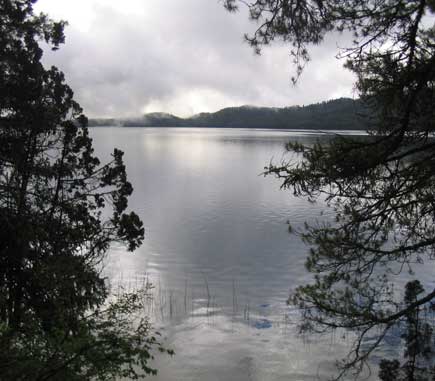
    बादल लागेको एक विहानी रारा ताल

    नेपालको सबैभन्दा ठूलो ताल पाच किलोमिटर लामो र दुई किमी चौडा छ ।

    ताल १६७ मिटर गहिरो छ ।

    United We Blog!: Up to Rara Lake with Dohori Dhun All the Way

  • तन्नेरी जुम्लीको पढाउने रहर

    यो भौगोलिकतामा जागिरको सानो अवसरका लागि ठूला पहाडहरु नाघ्दै दौडिनु अस्वभाविक होइन । एउटा जुम्ली तन्नेरीको कथा ।

    दिनेश वाग्ले

    लालबहादुर चौथा गाउको त्यही विद्यालयमा जहा उनी शिक्षक भएर पढाउने आशा गर्छन् ।

    हालैको एक विहानी तातिदो घाममा जुम्ला मास्तिरको डाफें लेक उक्लिदै गर्दा ब्राजीली फुटबल टिमको जर्सी घुडामुनीसम्म सारिएको निलो जिन्स लगाएका एक तन्नेरी फेला परे । मलाई डाडासम्म छाड्न हिडेका रेकर्डधारी जुम्ली म्याराथुन धावक हरिबहादुर रोकाया र मैले लगाइरहेको ‘पल्पसा क्याफे’ टी-र्सटले लालबहादुर डागी र मलाई तत्कालै नजिक्याएका थिए । (चर्चित उपन्यासका प्रशंसकले रोकायाका’boutमा क्याम्पस परिक्षाका लागि एउटा ‘केस स्टडी’ गर्न चाहेका रहेछन् ।) त्यसबाहेक हामी दुबैको त्यो साझको लक्ष्य एउटै थियो- बुम्रमाणी चौर गाविसको चौथा जसलाई ‘जुम्लाकै विकट’ गाउ भनिन्छ । भोलीपल्ट त्यहाबाट रारा हानिने मेरो योजना थियो भने लालबहादुर ‘विशेष काम’मा त्यता गइरहेका थिए जसको वरीपरी यो लेख घुम्ने छ । (धेरै…)