Latest stories – पछिल्ला टिप्पणीहरू

  • सारी र सल: युरोपेली अनुभव

    ‘राम्रो तर अव्यावहारिक पहिरन हो सारी, कुर्ता पनि अप्ठेरो हो, विशेष गरी सल । केटीहरू त्यही सलमै अल्झिइरहेका हुन्छन् । खसेको सल सम्याउनै नेपाली महिलाहरूको समय बितेको छ र पुरुषले त्यस्ता बेतुके समस्याको सामना गर्नैपर्दैन’

    दिनेश वाग्ले
    वाग्ले स्ट्रिट जर्नल

    सारा इनर्गड इस्मान (वायाँ) र एना एलिजाबेथ कोबेक नेपालमा काम गरिरहेका विकासे कार्यकर्ता हुन् । तस्बिर- दिनेश वाग्ले

    काठमाडौं- सारीलाई लिएर सारा र एनाबीच सुरुमै सानो असहमति देखियो । कुर्सीमा बसेर अन्तर्वार्ता गर्ने कि अग्लो टेबुलवरिपरि उभिएर ? ‘सारी लगाउँदा बस्नै गाह्रो,’ साराले दुवै हात कम्मरमा पुर्याएर कपडा हल्का माथि तान्ने प्रयास गर्दै भनिन्- ‘कस्तो नरम सामग्रीले बनेको छ, बिग्रिएला भन्ने डर ।’ अब एनाको पालो- ‘सारी लगाएर हिँड्नचाहिँ गाह्रो । साथीले तेरो ‘सारी छोटो भयो’ भन्छन् तर म खालि (अघिल्तिरको भाग) कुल्चिन्छु ।’ दुवैका आँखा आ-आफ्ना सारीमा छन् । सारा इनर्गड इस्मान र एना एलिजाबेथ कोबेक । दुवै ३० वर्षा र अविवाहित । जीवनमा केही गर्नुपर्छ भन्ने चाहना । घर युरोप (सारा- नर्वे, एना- डेनमार्क), बसाइ पश्चिम नेपाल । इमेल र मोबाइल नम्बरअंकित भिजिटिङ कार्डहरूले दुवै केटीलाई ‘विकासे कार्यकर्ता’ भनी चिनाउँछन् ।

    डेनिस अन्तर्राष्ट्रिय सहयोग संघ (एमएस) अर्न्तर्गत नेपालगन्ज र बर्दियामा मानव अधिकार र संस्थागत क्षमता अभिवृद्धिमा स्थानीयहरूलाई सघाइरहेका यी युवती सारीले दिएको पहिचान र सहजताको चकित मान्दै सराहना गरिरहेका छन् । भनिरहनुपर्दैन, सारी र ब्लाउजबीचको भाग खुला छ र दुवै युवतीको कम्मर पूरै उदांगिएको छ । ‘हाम्रोमा युवतीहरू छरिता र स्लिम हुन चाहन्छन् तर टिनेजर मात्रै कम्मर देखिने कपडा लगाउँछन्,’ नौ महिनाअघि ३० औं वर्षप्रवेश गरेकी एनाले भनिन्- ‘तीस लागेकाले चाहिँ छोप्छन् ।’ हालै राजधानीको एक समारोहमा भेटिएका दुवै युवती केही मिनेट फनफनी घुम्दै कम्मर मर्काईमर्कार्र्इ आफैंलाई हेरिरहेका छन् । मानौं नेपाली चेलीहरूमा र्सवाधिक प्रचलित पोसाक लगाउँदाको क्षणमा युरोपेलीहरू आफैंलाई बिर्सिरहेका छन् ।

    पिछडिएका र कम शिक्षितबहुल समुदायमा काम गर्ने युरोपेली युवतीहरूका लागि पूरै कम्मर नछोपे पनि सारी एउटा हतियार भएको छ । यसैमार्फ उनीहरूले आफ्नो छवि सकारात्मक रूपमा प्रस्तुत गर्न सकेका छन् । ‘जिन्स पाइन्ट लगाएर समुदायमा गयो भने महिलाहरूले उसै पनि ओठ लेप्रयाउँछन्,’ बर्दियाका महिलाहरूसँग काम गर्ने एनाले भनिन्- ‘त्यसमाथि ३० वर्षी भएर पनि बिहे गरेको छैन भनेपछि ‘यो विदेशी तरुनी ब्रि्रेकी’ भन्ठान्छन् ।’ त्यस्तो अवस्थामा एनाको अनुभव छ- सारीले कपडाभन्दा बढी भूमिका खेल्छ । ‘सारीमा जाँदा उनीहरूले ‘ओ हो, गोरी भए पनि केटी हामीजस्तै रहिछ’ भन्ठान्छन्,’ उनले भनिन्- ‘अनि त हामी सबै महिला † नेपालका हुन् या युरोपका, सबै एकै । मज्जाले कुरा गर्र्छौं, घरपरिवारदेखि लोग्नेमान्छेका बानीसम्म ।’

    सारा र एना सम्पन्न पश्चिमा संसारका त्यस्ता थुप्रै युवामध्येका हुन्, जो २० चानचुन उमेरमा आफ्नो घरपरिवारभन्दा टाढाको संसारमा गएर एक्लै जिउने, केही स्वयंसेवा पनि गरिहाल्ने र नयाँ अनुभव बटुल्ने आकांक्षा राख्छन् । छोटो सयमका लागि झेल्नुपर्ने गरिबी र अभावको जीवनसँगको साक्षात्कार उनीहरूका लागि करिअरमा सहयोगी या व्यक्तिगत जीवनका लागि उपयोगी ठहरिन सक्छ । ‘नेपाल आउनुअघि मैले ग्वाटेमालामा स्वयंसेवा गरेकी थिएँ,’ सारा भन्छिन्- ‘एउटा सानो प्रयासले धेरै मानिसलाई सहयोग पुर्याउँदा आफ्नै ’boutमा प्रश्न गर्ने मौका मिल्छ ।’

    समाजमा सजिलोसँग काम गर्न र देख्नेबित्तिकै मिल्ने ‘नमस्ते र मुस्कानभित्र छिर्न’ भाषा र संस्कृति बुझ्नुपर्छ भन्ने केटीहरूलाई थाहा छ । नेपाली हुन नखोजे पनि संस्कृतिको सम्मान गर्न इच्छुक रहेको बताउने उनीहरू भाषा सिक्न ग्रामीण जीवन बढी उपयोगी हुने ठान्छन् । ‘गाउँमा धेरैलाई अंग्रेजी आउँदैन,’ नेपाल आउनुअघि केही समय बंगलादेशमा बिताएकी एनाले भनिन्- ‘त्यसैले जबर्जस्ती नेपाली सिक्ने वातावरण पाइन्छ ।’ समुदायमा रहेर काम गर्ने हो भने उनीहरूका सामाजिक अभ्यासलाई सम्मान गर्नुपर्ने उनीहरू ठान्छन् । साइकल चलाउने कुरा गरौं । ‘नेपालगन्जमा र्स्कर्ट मात्रै लगाएर कहिल्यै साइकल नचलाउनू,’ एना भन्छिन्- ‘सुरुवाल लगाउनैपर्छ । त्यहाँ साइकल चलाउने अरू युवतीलाई हेर्नुस्, सबैले र्स्कर्टमुनि सुरुवाल लगाएकै हुन्छन् । त्यसैले तपाईं विदेशी भए पनि त्यो कुरा देखेरै सिक्नुपर्छ ।’ अनि बियर किन्ने टिप्स ? आफू बस्ने घरनजिकैको पसलबाट कहिल्यै नकिन्नू, उनको अनुभव छ, देखेमा छिमेकीले नराम्रो मान्छन्- केटी भएर पनि बियर पिउँदिरैछे भनेर ।

    ‘काठमाडौं ठूलो सहर हो, जुन पसलमा गएर किन्दा पनि हुन्छ,’ उनी भन्छिन्- ‘तर नेपालगन्जमा चाहिँ बस्ने ठाउँभन्दा निकै परको पसलमा गएर किन्छु ।’

    सारीमै फर्कौं । आठ वर्षघि ‘ब्याक प्याकर’ का रूपमा नेपाल आएकी साराले पहिलोपटक भारतमा सारी किनेकी थिइन् । त्यो उनलाई कति मन पर्यो भने स्वदेश फर्केपछि तीन/चारवटा विवाह समारोहमा सोही पोसाकमा उपस्थित भइन् । महेन्द्रनगर हुँदै नेपाल छिरेकी एनाले हालैको तीजमा पहिलोपटक सारी लगाइन् । दुवै युवतीले समुदायमा रहँदा नेपाली महिलासँगको सामीप्यको ‘दरिलो सन्देश’ दिन कुर्ता-सुरुवाल या सारी लगाउने गरेको बताए । ‘राम्रो तर अव्यावहारिक पहिरन,’ सुरुवाती छोटो असमझदारीलाई छायामा पार्दै सारी’bout दुवैले संयुक्त निष्कर्षनिकाले । सारी लगाएपछि त्यसमै निकै ध्यान दिनुपर्ने अनुभव सुनाउँदै दुवैले लगाउनेको स्वतन्त्रतामा सारीले समस्या पार्ने बताए । ‘सारीको के कुरा,’ साराले भनिन्- ‘कुर्ता पनि अप्ठेरो हो, विशेष गरी सल । केटीहरू त्यही सलमै अल्झिरहेका हुन्छन् ।’ महिलाले सलसँग संर्घष गरिरहँदा पुरुषहरूले उत्पादनशील काममा उनीहरूलाई उछिन्ने गरेको दुवै युवतीको अनुभव छ । ‘म कपडा लगाउने शैलीमा क्रान्ति गर्न नेपाल आएकी होइन,’ एनाले भनिन्- ‘तर खसेको सल सम्याउनै नेपाली महिलाहरूको समय बितेको छ र पुरुषले त्यस्ता बेतुके समस्याको सामना गर्नैपर्दैन ।’

    दुवै युवतीले पुरुषको प्रसंग एक पटकभन्दा बढी निकाले । उनीहरूसँग नेपाली पुरुष’bout नसोधी रहनै सकिएन । ‘ब्रिग्रेका,’ प्रश्न खस्न नपाउँदै संवाददातालाई निराश पार्ने गरी एनाले भनिन् । धन्य, तत्कालै उनले आफूलाई सच्याइन्- ‘तर त्यसरी सबैलाई एउटै घानमा हाल्नचाहिँ म सक्दिनँ है ।’ (उसो त एनाले गत जुनमा काठमाडौं ओर्लनेबित्तिकै आफ्नो ब्लगमा लेखेकी छन्- म नेपालमा काम गर्न आएकी हुँ, माइक्रोस्कोप लगाएर हेर्नुपर्ने एसियाली मान्छे पछ्याउन होइन !) दुवै युवतीले नेपाली पुरुषहरू महिलाको तुलनामा ‘अल्छे र घरायसी काममा निकै कम चासो दिने गरेको पाएको’ बताए । ‘स्विडेनमा धेरै मान्छेले काम गर्छन्,’ साराले भनिन् । एनाले थपिन्- ‘तर म पुरुषलाई भन्दा जन्मिँदैदेखि पुरुषलाई महिलाको तुलनामा बढी महत्त्व दिँदै माथिल्लो स्थानमा राख्ने यहाँको संस्कृतिलाई दोष दिन्छु ।’

  • Time for Nepali Journalists to Improve Quality

    Two years after the royal takeover and censorship we have now democracy and it’s time for Nepali journalists to focus on improving the quality of their reporting. Scribes took out a rally yesterday to mark the black day (Magh 19) and demanded that the Rayamajhi Commission report be made public. Pic via ekantipur

    Just realized that Feb 1 (and Magh 19) passed largely unnoticed this year. May be whatever going on in Southern Nepal overshadowed the relevance of the date. Heard that journalists organized a rally in downtown Kathmandu to remember the black day (Feb 1, 2005 or Magh 19, 2061 BS is when, if you don’t have any idea, King Gyanendra went on rampage and dismissed democracy, imposed emergency and installed his autocracy in Nepal). I was too busy in other works than attending the rallies. I was planning to write something about the date but later abandoned the thought. Instead I went on to the web site of New York Times and read a few very good articles. I have always been a very big fan of New York Times and I utterly enjoy reading their coverage. (Though I was utterly disappointed a few weeks ago to find numerous mistakes in an article on Nepali politics. I sent a letter to the correction section of the paper but that never got attention of the editors there. Even we don’t do such silly mistakes here in Nepali journalism.)

    I try to learn from their writing but when I sit in front of the computer to write stories like that the poor quality of research in Nepali journalism reminds to me of reality: where I am. I recently read an article about Nora Jones’ new album and, coincidentally, had to write the same kind of article on the new album of Nepali rock band 1974 AD. There I realized the difference between reading New York Times articles and writing for Kantipur. In such occasions I get frustrated and feel bad about myself and my being in journalism. Why am I here if I can’t contribute in some qualitative way? What is my role in Nepali journalism? Be just another reporter in the crowd or do something important and make some significant contribution so that our journalism standard reaches new height? There are so many things to learn. We are not perfect, yes, but the problem is we are not even trying to learn. The way we deal with issues in journalism needs to be changed and reporters’ approach to the stories must be different then that of the current ones. We have done a lot of progress in journalism in the past decade in terms of reporting, writing, presenting stories, circulating newspapers etc. But there is a long way to go.

    Oh… why am I lecturing on journalism now? Because I think now is the time for all journalists in Nepal to focus on the quality of their work. Well some can continue with political mission as politics has always been there in the blood of Nepali journalists but there must be some sort of united effort to raise the standards of our journalism.

    So days are normal these days; nothing fascinating is happening. Attending a few programs in the city, coming back to the office, and writing. Life is revolving around reporting. Good stories: enjoyable time, not so good stories: just another reporting.

    Since I started this post with Magh 19, I think it’s relevant to be nostalgic. Boy that was a damn bad day. As I was watching Gyanendra on TV, phones went dead. Came to office, wrote a blog but found that there was no Internet. No phone in house meant no Internet there too. No Internet meant No life at all. No phones meant life faced hell lot of difficulties in reporting. No stories to translate and fill the pages that were suddenly blank because there were no advertisements. Struggling through wire reports to find useful articles to translate and work under some constant uncertainty (what will happen tomorrow?) was strenuous. Don’t even want to remember those days, particularly that first week of February.

    Related Blogs

    1. Nepal is closed friends [A blog notice posted from US mission in Kathmandu]

    2. Great to be here Again! [First blog after the restoration of Internet]

    3. New Kind of Journalism in Nepal- I [Journalism in censorship]

  • New Baneshwor Street and Girls

    A journalist friend of mine (who works for a different newspaper) yesterday invited me for a Nepali movie screening for this afternoon. That wasn’t strange given the trend in Nepal that reporters covering movies in Kathmandu routinely work on behalf of film makers. They also help filmwallas with managing the press show and publicity. I shun the idea and I can’t even imagine me doing the same but can’t really say anything about others, can I? I happily accepted the invitation as I am trying to give more coverage of Nepali film industry these days in the newspaper I work for.

    As I was about to go to the theater (again the same horrible Shivadarshan in New Baneshwor), Pawan Neupane of the Kathmandu Post came smiling.

    “Wanna go for a movie?” I asked.
    “Which?”
    “A Nepali movie. It’s called Durga.”

    Pawan frowned at me. Perhaps he wanted to punch on my face. What? Nepali film? His reply:

    “Hyaa…janna ma Nepali film herna. [No, I will not go to see a Nepali film.]” Now Pawan, the darilwal Pawan Dev, started speaking about a few thousand things he had to do in the afternoon.

    “Come on, jau na jau yar, may be you can write something out of it,” I insisted. After he realized I would not let him go Pawan was read to accompany me.

    “But you have to sponsor my trip [to New Baneshwor and back to office],” he said as we got out of office in an ‘if-not-i-am-not-going’ tone.

    “Okay,” I said. “We will leave the show in the middle and come back if the movie is too boring.”

    As we were walking on the streets of New Baneshwor with BICC on our right, Pawan nearly stumbled upon a few girls several times. “Damn beautiful,” said my bearded partner. “Oh…yea,” I said. [Rest, when we return back from the theater!]

    We saw a band jaba procession and Pawan commented: “Kati biha bhayeko ho!” Then we talked about the marriages of Rajaram Gautam in Kathmandu and Deepak Adhikari in Jhapa. “It’s the season of marriage.” But what we were seeing now was a strange “marriage” procession. The music was in full volume and some people were walking with the tune. They were not Jantis and there were no behula or behuli. They were carrying placards of the movie Durga that we were going to see. A new way of promoting the movie in town just before its release in Kathmandu!

    We reached there and met the scribe who invited me. There was no sign that the screening would start on the given time. After a few hand shakes and exchange of smiles, we became increasingly bored. “Let’s enter the theater and see the movie for about 15 minutes,” I told Pawan. We waited for about another 15 minutes but saw no sign of the film being screened. “Lets go,” I said and we moved out.

    “Wow,” Pawan’s eyes were not on the street but on a girl walking on the other side of the road. “So beautiful!”

    “Where, where?” I asked.

    “There. Not that beautiful but still…”

    “Look at her,” I said pointing to another girl. “She is more beautiful.”

    “Yes,” Pawan said.

    “Too many beautiful girls around these days.”

    “Exactly. Don’t know what has happened but I am also seeing too many beautiful girls. Look at her!”

    Ha, ha. Enough with ‘beautifuls’. I was feeling dehydrated and wanted to drink sugarcane juice. “Want to have?” I asked. Why not?

    We came back, safe and sound, to office. Job of writing stories was waiting for me.

  • गोपीको फिल्मी सपना

    uddhav poudel film maker

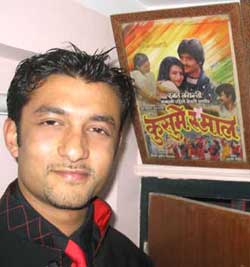
    nirak poudel director kusume rumal आफ्ना फिल्मको पोस्टर मुनी गोपिकृष्ण हलमा चलचित्रकर्मी उद्धव पौडेल । तल्लो तस्बिरमा उनका कान्छा छोरा निरक जसले बन्न लागेको ‘कुसुमे रुमाल’को सिक्वेलको निर्देशन गर्नेछन् । तस्बिर दिनेश वाग्ले

    दिनेश वाग्ले

    काठमाडौं- मिलेका सबै विवरण र सुनिएका रिमिक्स धुनहरूका अनुसार मौसम ‘कुसुमे रुमाल’ को हो । २१ वर्षघिको सुपरहिट सिनेमाको निरन्तरता (सिक्वेल) को निर्माण हुने समाचार अखबारहरूमा बुधबारका छापिएको छ र पौडेलहरूका मोबाइल रिङ टोनमा ‘कुसुमे रुमाल’ का इन्स्ट्रुमेन्टल धुन बजिरहेका छन् । धन्यवाद डीजे राजु र उनको रिमिक्सलाई जसले च्याङ्बा र मैच्याङका प्रेमलाई फेरि घरायसी कथामा बदलिदिएका छन् । उनको संगीतले नेपाली फिल्म उद्योगमा फेरि ‘कुसुमे रुमाल’ फहराउला नफहराउला तर घटनाहरूको विकासबाट घरमूली अथवा हलमूली, उद्धव पौडेल मख्ख छन् । आफ्ना ‘तीनहात’ को कुशलता (उनको शरीरका दुइटाको अहिले कुरा नगरौं) ले उनलाई उत्साहित तुल्याएको छ । ‘मेरा हात फैलेका छन्,’ मंगलबार (२३ जनवरी) दिउँसो चाबहिलस्थित गोपीकृष्ण हलमा आफ्ना दुइ छोरा र एक छोरीलाई संकेत गर्दै अनुभवी सिनेकर्मीले भने- ‘सबैले (सिनेमाकै क्षेत्रमा) जिम्मेवारी सम्हालेका छन् ।’

    परिचय गरौं नीरज पौडेलसँग जो उद्धवका जेठा छोरा हुन् र बाबुको फैलँदो कारोबारको वितरण पक्ष सम्हाल्छन् । छोरी निकिता प्रबन्धन हेर्छिन् । अनि बाबु पौडेलले बनाएका केही सिनेमाका बाल कलाकार निरकलाई भेटौं जो उद्धवको पहिलो सिनेमा ‘कुसुमे रुमाल’ रिलिज भएको दिन जन्मिएका थिए । बुधबार (२४ जनवरी) कै समाचारमा आइसक्यो । यिनै २१ वर्षोले अबको ‘कुसुमे रुमाल’ निर्देशन गर्नेछन् (अघिल्लोका निर्देशक तुलसी घिमिरे हुन्) र बेलायतबाट फिल्म निर्माण’bout पढेर मुर्म्बई हुँदै पाँच महिना अगाडि काठमाडौं आएका उनी बाबुको निर्माण व्यवसाय सम्हाल्ने तरखरमा छन् ।

    पुराना संघर्षका दिन सम्झिदै बितेका वर्षरूको सफलता र भविष्यका महत्त्वकांक्षी योजनाहरूको सगौरव बखान गर्न थाले भने उद्धवलाई अन्तर्वार्तामा बोल्न केही समय दिए हुन्छ । गोपीकृष्ण हलमा छोरीको अफिसमा अहिले उनी त्यसै गरिरहेका छन् । पछाडि उनले २०२८ सालतिर एसएलसी दिएलगत्तै भारतबाट फिल्मका डिब्बा ओसार्दै सिनेमा वितरणमा हात हालेका संघर्षका सम्झनाहरू छन् भने अगाडि हालैमात्र जापानबाट झिकाइएको ३५ एमएमको सेकेन्ड ह्यान्ड क्यामेराले भरिएका प्याकेट । यो क्यामेरा, उद्धवका तीन हात र केही महिनाअघि बहुमत सेयर किने पनि नियन्त्रणमा आएको नेपाल फिल्म विकास कम्पनीको संयुक्त स्वरूपले एउटा प्रस्ट संकेत दिएको छ- नेपाली सिने उद्योगमा जबर्जस्त बदलाव आउँदैछ । उल्लेख गरिहालौं, राजधानीको आकाशे तरंगमा वैशाख १ देखि ‘रेडियो फिल्मी’ का नाममा एउटा नयाँ एफएम धुन बज्दैछ जो गोपीकृष्ण हल परिसरबाट सञ्चालित हुनेछ । यी सबै कुरालाई मिलाउनुस्, नेपाली फिल्म उद्योगमा एउटा सशक्त कर्पोरेट संरचनाको उदय हुँदैछ जोसँग फिल्म उत्पादन, वितरण, प्रदर्शन र प्रवर्द्धनका लागि आवश्यक सबै अंग हुनेछन् ।

    ‘हामी एउटा शक्तिका रूपमा उदय भइरहेका छौं,’ निरकले बुधबार व्यक्त गरेका यी भनाइलाई केटाकेटीले लगाएको फूर्तिकारूपमा लिनु हुदैन । ‘सिनेमाका लागि चाहिने महत्त्वपूर्ण तीनवटा पिलर (उत्पादन, वितरण र प्रदर्शन) हामीसँग छन्,’ हलमा बेचिने पपकर्नलाई संवाददातासँग साझेदारी गर्दै तन्नेरीले भने- ‘त्यसैले हामी नेपाली फिल्म निर्माणमा (महसुस गर्न सकिने) प्रभाव पार्न सक्छौं ।’ अक्सफोर्ड प्रेसले छापेको ‘हाउ टु रिड अ फिल्म’ र ‘द फिल्म मेकर्स ह्यान्डबुक’ राखिएको टेबल पछाडि बसेका ठिटालाई यति कुरा थाहा छ भने फिल्म लाइनमा लागेर देश खाई शेष भएका उनका चतुर बाबुलाई आफूले के गर्दैछु भन्ने थाहा नहुने कुरै भएन । मूलतः उद्धव व्यापारी हुन्, यति प्रस्ट पारिहालौं, जसको मुख्य उद्देश्य, उनी जेसुकै भनुन्, नाफा कमाउनु नै हो । (उसो त उनी पनि आफूलाई समाजसेवा गर्न र पैसाको खोलो बगाउन आएको पनि दाबी गर्दैनन् ।)

    वर्ष २००७ मा दुइटा भोजपुरी र पाँचवटा नेपाली सिनेमा बनाउने घोषणा र्सार्वजनिक गर्नु केही अगाडि मंगलबारको कुराकानीमा उद्धवले प्रस्ट पारे । ‘मूलतः यो व्यावसायिक निर्णय हो । सिनेमा बनाउन आवश्यक सबै प्राविधिक पक्ष हामीसँग तयार अवस्थामा भएकाले एउटा या सातवटा सिनेमा बनाउनुमा तात्विक अन्तर छैन,’ उनले प्रस्ट पारे- ‘आखिर फिल्म विकास कम्पनीका ५५ जना कर्मचारीलाई पनि काम दिनुछ ।’

    काम उनका कान्छा छोरालाई पनि चाहिएको थियो जसको सीप परीक्षणका लागि बाबुले ‘खतरा’ मोल्दैछन् । हुन त उमेरमा के छ र, कलेज छाडेका २० चानचुनका ठिटाहरूले केही महिनामै अर्बपति बनेर विश्वलाई देखाएको अहिलेको जमानालाई (युट्युब या गुगलको कथा सम्झिनुस् है) निरकले नजिकबाट नियालेका छन् । ‘नेपाली फिल्म उद्योग अकवार्ड (सिर्जनशीलताको कमी भएको या व्यवहार गर्न कठिन) आकारमा छ,’ लजाउँदो स्वभावका ठिटाले भने- ‘हामीजस्तो युवा र बाहिर पढेर आएकाले कामै नपाउने अवस्था छ ।’ पारिवारिक पृष्ठभूमि र व्यापारका कारण धन्न आफूले ब्रेक पाएको बताउँदै उनले थपे- ‘तर पैसा खर्च गरेर पढेर आउनेका लागि निराशाजनक छ । मैले आफ्ना लागि आफैं काम सिर्जना गर्नुपर्यो ।’

    nirak poudel gopi krishna

    ‘नेपाली फिल्म उद्योग अकवार्ड (सिर्जनशीलताको कमी भएको या व्यवहार गर्न कठिन) आकारमा छ . हामीजस्तो युवा र बाहिर पढेर आएकाले कामै नपाउने अवस्था छ ।’– निरक पौडेल

    निरकको ‘कुसुमे रुमाल’ ले उद्धवलाई नाफा देला नदेला तर तुलसी घिमिरेको सिर्जनाले उनलाई धन कमाउने (वितरणबाहेकको) अर्को बाटो देखाइदिएको थियो । त्यसयता उद्धवले १३ वटा फिल्म बनाए जसमध्ये, उनका अनुसार एउटामात्रै घाटामा गयो । त्यो फिल्म ‘उकाली ओराली’ मा उनको पूर्ण लगानी थिएन । यस अवधिमा उनले एउटा फिल्म निर्देशन गरे जो उद्धवका अनुसार ‘निकै सफल भयो र त्यसकै नाफाले मैले यो जग्गा किनें’ जहाँ त्यही नामको हल बनेको छ । जुम्ल्याहा पर्दाबाट २०५२ मा थालिएको हल अभियान हालैमात्र उच्च वर्गलाई लक्षित प्रिमियम थिएटरको उद्घाटनसँगै गोपीकृष्ण कम्प्लेक्समा परिणत भएको छ जहाँ सातवटा हल छन् । ‘कुनै बेला काठमाडौंमा सिनेमा देखाउन हल पाउनु चिठ्ठा परेसरह हुन्थ्यो,’ आफूलाई ‘फिप्टी प्लस’ उमेरको बताउने व्यापारीले रिस फेर्ने लवजमा भने- ‘जय नेपालमा ‘कुसुमे रुमाल’ देखाउन कत्रो सोर्स लगाउनुपर्यो भने त्यो सोर्स अरू कुनै काममा लगाएको भए त्यतिबेलै करोडपति बन्ने थिएँ ।’ त्यतिबेलाको सास्तीलाई पृष्ठभूमिमा राख्ने हो भने सात हलका मालिक बनेका उद्धवका भनाइमा लुकेको ‘अब हेरौं त कसले के गर्दोरहेछ’ भन्ने लवज अस्वाभाविक लाग्दैन ।

    ‘अब फिल्म बनाउने जिम्मा कर्पोरेटको हो,’ उद्धवले ठोकुवा गरे फेरि उही अलि बढी नै गौरवान्वितजस्तो लाग्ने लवजमा- ‘जोसँग त्यसका लागि चाहिने सबै कुरा होस् ।’ रहरले ‘म पनि फिल्म बनाउँछु’ भन्नेहरूका दिन गएको बताउनु अघि उद्धवले कसरी हलिउड र बलिउडमा धेरैजसो फिल्म सबै क्षेत्रमा पहुँच भएका स्टुडियोहरूले बनाउँछन् भन्ने’bout एउटा छोटो भाषण दिए । ‘भारतमा समेत फिल्म निर्माणमा कर्पोरेटहरू छिरेका छन्,’ ‘एडल्याब्स’ मा रिलायन्सको प्रवेश इंगित गर्दै उनले भने- ‘त्यसैले यहाँ पनि त्यो संस्कृतिको विकास हुनु आवश्यक छ ।

    उनले आफ्नो पछिल्लो अभियान कत्तिको महत्त्वको छ भन्ने पनि बताउन बिर्सेनन् । ‘अहिले भइरहेका निम्न, मध्यम वर्गीय दर्शकबाहेक नेपाली फिल्म नहेर्ने नेपालीलाई हलसम्म ल्याउनु यो योजनाको उद्देश्य हो,’ ३५ एमएम क्यामेराबाट सातवटा सिनेमास्कोप सिनेमा बनाउने घोषणा’bout उद्धव पौडेलले व्याख्या गरे- ‘यसमा म असफल भएँ भने अरू सफल हुने छैनन् । नेपाली सिनेमाले गुणस्तरीय दर्शक पाउने छैन ।’ डीजे राजुको इस्ट्रुमेन्टल धुनले के भनिरहेको छ कुन्नि ?

  • कथा फिदिमे फिलिमको

    दिनेश वाग्ले

    देवजंग थापा । २३ वर्ष । काठमाडौंको कलेजमा स्नातके विद्यार्थी । कक्षामा कहिल्यै नजाने । त्यसो भए ?

    पाँचथर, फिदिममा फिल्म बनाउने उनको व्यवसाय हो । चौथो फिल्म यही माघ १९ गते सार्वजनिक हुँदैछ । दुई घन्टा लामो भिडियो फिल्म ‘परिवर्तन’ मो लोकतान्त्रिक आन्दोलन र जनताले चाहेको परिवर्तन विषय बनाइएको छ । ‘राजाले माघ १९ मा कु गरेर प्रजातन्त्र मासेका थिए,’ आफूले निर्देशन गरेको फिल्म प्रवर्द्धनका लागि एउटा डीभीडी र दुइटा सीडी लिएर राजधानी आएका थापा भन्छन्- ‘त्यही दिन लोकतन्र्त्र मुख्य विषय बनाइएको फिल्म रिलिज गर्दैछु ।’ भन्दिहालौं, त्यही दिन फिदिम फिल्म उद्योग एउटा लामो फडको मार्दै पहिलोपटक ‘कलिउड’ आउने प्रयासमा छ ।

    देवजंग थापा र तल्लो तस्बिरमा उनको फिल्म परिवर्तनकी अभिनेत्री । तलको तस्बिरमा फिल्मका अभिनेता र अभिनेत्री ।

    फिदिम फिल्म उद्योग ? सही पढ्नुभयो । २० चानचुनका तन्नेरीहरूले त्यो पूर्वी पहाडी स्थलमा भिडियो फिल्म निर्माणको एउटा प्रेरणादायी लहर सिर्जना गरेका छन् जसलाई स्थानीयहरूले हाउसफुल हलमा हेर्ने गरेका छन् । मित्र लिङ्देन, भगिराज ‘घायल’ राई, सन्तोष राई र मलिसा याक्थुम्बा फिदिमे उद्योगका हस्ती हुन् जसले आपसमा ‘सिर्जनात्मक प्रतिस्पर्धा’ गर्दै बर्सेनि फिल्म बनाउँछन् । २०५४ मा किशोर सुब्बाले लिम्बू भाषाको ‘आनी साक्थिम’ (हाम्रो संस्कृति) बनाएयता सुरु भएको मानिने फिल्मी अभियानलाई २०५६ मा हरि भण्डारीको ‘चुनाव’, मित्रको ‘अनमोल माया’, देवजंगको ‘अन्तिम इच्छा’, नरेशजंग सुब्बाको ‘अदृश्य घाउ’, मलिसाको ‘सपनाकी फूल’ ले जोडतोड निरन्तरता दिएका थिए । ‘अहिले फिदिममा पाँचवटा समूह छन्,’ थापा भन्छन्- ‘तिनले आपसमा संयोजन गरेर वर्षमा चारवटासम्म फिल्म बनाउँछन् ।’ स्थानीय फिल्म निर्मातामा कसले राम्रो फिल्म बनाउने प्रतिस्पर्धा भए पनि प्रदर्शर्नी समय नजुदाउने र पालो मिलाएर फिल्म बनाउने प्रयास गरिने उनी बताउँछन् ।

    तीन लाखसम्मको खर्चमा जिल्ला सदरमुकाम र आसपास लोकेसनमा छायांकन गरिने भिडियो फिल्ममा अभिनय गर्ने प्रायः कलाकार स्थानीय हुन्छन् । निर्माण कतिखेर सकिएला र देखाउला भनेर सदरमुकामका हल फिल्मको रिलिज मिति पर्खेर बस्छन् । दैनिक दुई शो चल्ने हलमा प्रत्येक प्रदर्शनीमा अढाई सय जति दर्शक हुन्छन् भने शनिबार दुवै हलमा तीन-तीन शो चलाइन्छ । ‘गाउँतिरका मान्छेसमेत आउने भएकाले शनिबार सबै शो हाउसफुल हुन्छन्,’ थापा भन्छन्- ‘हाम्रा फिल्म चलेका बेला काठमाडौंका सेलुलाइड फिल्म चल्दैनन् ।’ हलमा एउटा शोमा सात सयसम्म अट्छन् र झन्डै दुई महिनासम्म चल्दा फिल्मले सदरमुकाममै ३० हजार दर्शक पाउने उनी बताउँछन् । गाउँका केही प्रदर्शनी भवनमा फिल्म देखाइन्छ ।

    ‘घाटा जाने कुरा हुँदैन,’ उनी भन्छन्- ‘काठमाडौंमा मात्रै थाहा छैन, हाम्रा फिल्म बजार (भारतको) सिक्किममा समेत राम्रो छ ।’

    phidim film actors

    हालैको एउटा अन्तर्वार्तामा मूलधारका नेपाली सिनेमाले ‘उच्च मध्यम वर्ग’ सम्मको दर्शक पाउन सघर्ष गरिरहेको बताउने काठमाडौं फिल्म उद्योगका निर्देशक नरेश पौड्याल फिदिमे निर्देशकसँग लोभिन सक्छन् । उनी भन्छन्- ‘स्थानीय फिल्म हेर्न सदरमुकामका सबैजस्तो दर्शक हलमा जान्छन् । लाहुरे परिवारकाहरूसमेत । फिल्म नै नहेर्नेहरू पनि फिदिमका फिल्मचाहिँ हेर्छन् । कति त दोहोर्‍याएर हेर्न आउँछन् । उनीहरू स्थानीय फिल्म हेरेर हामीलाई प्रोत्साहन गर्न रुचाउँछन् ।’ दर्शकलाई फिल्म हेर्न हलसम्म ल्याउन थापाजस्ता फिल्मकर्मी कुनै कसर छाड्दैनन्, सदरमुकामका प्रत्येक घरदैलोमा पुगेर उनीहरू फिल्मका ’boutमा जानकारी दिन्छन्, सकेसम्म टिकट पनि भिडाउँछन् ।

    ‘आनी सक्थिम’ छायांकनमा किशोर सुब्बाबाट निर्देशक सिकेका थापाले ९ कक्षामा पढ्दा युनिसेफको लगानीमा एचआईभी एड्ससम्बन्धी दुई घन्टा लामो फिल्म ‘अन्तिम इच्छा’ निर्देशन गरेका थिए । स्कुलेमा ‘कमेडियन’ का रूपमा अरूलाई हसाउने युवाका लागि फिल्म बनाउने त्यो सुरुवाती इच्छा भइदियो । त्यसपछि २०६० मा उनले एचआईभीकै ’boutमा ‘प्रतीक्षा उज्यालोको’ बनाए भने २०६२ को उनको फिल्म ‘भिन्नता’ मा छुवाछूत, जातभातजस्ता सामाजिक विकृतिलाई मुख्य विषय बनाइएको थियो । ‘त्यो फिल्म युकेमा समेत गयो,’ उनले भने- ‘नाफा भयो ।’

    नाफा ‘परिवर्तन’ बाट पनि होला माथि उल्लेख भइसक्यो, यसपालि सपना ठूलो छ- राजधानी हान्ने । ‘काठमाडौंमा पनि देखाउने इच्छा छ,’ उनी भन्छन्- ‘हेरम, के हुन्छ ।’

  • Hi America, Hi Hillary

    Hillary Clinton

    So Hilary Clinton has decided to take part in the 2008 United States presidential race. What does that mean to us, the people in Nepal who are far away from the US? How far can you be from America if you are living in this world? If life were a meal, America would be the achar (pickle) without which the food’s tasteless. You get your daily dose of pickle in your life via countless mediums. Internet is America, TV is America, Film is America, Coca Cola is America. Heck, I am not typing Nepal is America and the world is America. But does that really matter? A small event in America is BIG for the world and makes it to our living room in an instant. Take Hilary Clinton’s announcement as an example. Hillary has just made public her intention of entering into the presidential contest, she hasn’t even secured the nomination from her party yet. The election is months away and God only knows if she will win or lose- first the Democratic ticket and then the United States presidency.

    I can’t believe I wrote a blog in November 4, 2004 titled “Congratulations President Bush! Hillary, are you ready?” While congratulating George W. Bush for his reelection (“Though I endorsed Senator Kerry’s effort for the White House…,” I wrote) I had ended my blog with these lines:

    “Let me end this blog with a hopeful note. I genuinely expect Senator Hillary Rodham Clinton to run for the 2008 Presidency. That can be possible. She should be prepared for that race. The US needs a female president which will create history in its own right. Hillary, are you ready?”

    Did Hillary read my blog post and decide not to disappoint me? 🙂

    Whatever is the case, I am sure the times have changed and there is a brand new competitor for Hillary: Senator Barack Obama. Ever since I learned about this guy, I have been thinking about the possibility of the United States with a black President. Obama is not just a black; he is indeed a talented man with charismatic personality. This year too my support goes to the Democratic candidate (as if that mattered to the Democratic Party!) but who will be the lucky one (Hillary or Obama) is still not decided. [After all as a citizen of this world, I think I must have my say over the American politics, economy, culture and many other things because whatever happens there definitely affects us.] Both Hillary and Barack Obama will create history in the US if they become successful in their aspirations. So for the next few weeks, I will play neutral and, for now, extend my best wishes to Hillary Rodham Clinton.

    > Pics above, taken from Hillary Clinton web site, show phuchhi Hillary and Lady Hillary.

  • संगीतबाट रातारात स्टार

    jabeek babu bogati rajeev lohani

    गायकहरु जविक, बाबु बोगटी (बीचमा) र राजिव लोहनी । जविकलाई उनको पहिलो र एउटै गीतले स्टारडम दिलायो भने राजिवलाई उनको पहिलो एल्बममा समाविष्ट गितले । उता पहिलो एल्बममा फ्लप खाएका बाबुले चार बर्षपछाडी म्युजिक भिडियो सहितको गीतले लोकप्रियता दिलायो । तस्बिरहरु दिनेश वाग्ले

    दिनेश वाग्ले

    आँखाभरी आशु किन
    मुटुभरी व्यथा किन
    छाडीजाने निर्मोहीलाई
    सम्झिएर रुनु किन

    निर्मोहीलाई सम्झिने कुरै छैन, रुनु त परै जावस् । तर मज्जाले लेघ्रो तानेर गाइएको यो गीतले वितेका महिनाहरुमा नेपाली सांगीतिक बजार यस्तरी पिट्यो, त्यसका गायकलाई विर्सनु असम्भव जस्तै भएको छ । औपचारिकताका लागि भन्दिउ, उनीहुन् जविक, काठमाडौंमा बस्ने स्याङ्जाली ठिटा, जो अहिलेलाई एउटै नामले चिनिन चाहन्छन् । एउटै नाम र एउटै गीत काफी भएको छ जविकलाई अनाम केटोबाट रातारात राजधानीको ‘मस्ट ह्याप्पेनिंग सेलिब्रिटी’ हुन ।

    कदाचित् जविकको सफलताप्रति इर्स्या पलाएको भए त्यसलाई पहिले हटाइहालौं, ‘एक गीतवाला आर्श्यर्च’को जिन्दगी कल्पना गरिएजस्तो गुलावी नहुन सक्छ । ‘धेरै मान्छेले चिन्छन्,’ हालैको एउटा अर्न्तवार्तामा जविकले भने- ‘गाह्रो पनि छ । ख्याती र प्रचार अनुसारको आम्दानी हुदैन । (मानिसको अपेक्षा अनुसार) आफूलाई मेन्टेन गर्न गाह्रो छ । धेरै बाहिर निस्कन पनि गाह्रो छ ।’

    नजिकै बसेर सुनिरहेका छन्, राजीव लोहनी । तिनै राजीव क्या जसले पहिलो एल्बम ‘ट्युन’को एउटा गीतबाट ख्याती पाए । उनलाई भुल्न सकिन्छ कही?

    बलेको आगो, जलेको प्रेम
    भुल्न सक्छु र म कहाँ ?

    ‘(प्रशंसकहरुमा) सेलिव्रिटीहरुको कमाईलाई विदेशीसग तुलना गर्ने सोच छ,’ राजीवले भने- ‘टीभीमा मात्रै देख्दा उनीहरुले के के न होला त्यो गायक भन्ने ठानेका हुन्छन् । अनि भेट्दा आफूले सोचेजस्तो नपाउदा उनीहरुलाई ‘ह्या, यो खाते पो रैछ’ भन्ने हुन्छ जो सही होइन ।’

    माथिको भिडियोमा गायकहरुले आफ्नो भविश्यको योजना ’bout कुरा गरेका छन् ।

    छविको समश्या विस्तारै समाधान होला, अहिलेलाई स्वागत छ नयाँ नेपाली सांगितिक संसारमा जहाँ मिडिया र मार्केटको अभूतपुर्व संयोजनबाट प्रत्येक अर्को महिनाजस्तो जविक र राजिवजस्ता ‘रातारात सेलिब्रिटी’को जन्म भइरहेको छ । ध्यानपुर्वक संयोजन गरिने समिकरण गज्जवको छ- बजारमा क्यासेट/सीडी पठाएकै क्षण टीभीमा म्युजिक भिडियो र्सार्वजनिक गरिन्छन् । गायक एफएमहरुमा उपस्थित हुन्छन्, अर्न्तवार्ता दिन । पत्रिकाहरुमा तस्बिर छापिन्छन् र वेब र्साईटहरुमा ‘वालपेपर’ आकारका फोटासगै भित्रिकथा समेटिएका अर्न्तक्रियात्मक विवरण निस्कन्छन् । बजारीकरणको ‘प्याकेज’ले उपभोक्तालाई एकैपटक यस्तरी घेर्छ, ऊ त्यो गीत सुन्न, हेर्न, किन्न र पढ्न बाध्य हुन्छ । शुरुमा मन नपरेको गीतको स्वाद विस्तारै बदलिन्छ । ‘मलाई जविकको गीत शुरुमा मन परेको थिएन,’ काठमाडौंको एउटा प्रतिस्ठित साप्ताहिकका संगीत सम्वाददाताले भने- ‘भिडियो झन कस्तो नराम्रो लाग्या थियो । मैले आलोचना गर्दै लेखे । पछि टीभीमा त्यही गीत, एफएममा त्यही । गीत कस्तो हिट भएको ।’

    ‘हिजोका दिनमा गीत सुनिन रेडियोमा बज्नु पथ्र्यो या कुनै कार्यक्रम हुनुपथ्र्यो,’ राजीवले भने- ‘आज गायक स्रोता र दर्शकमाझ भिडियोमा प्रस्तुत हुन्छ, टीभीमा देखिन्छ । धेरैमान्छेले एकैपटक चिन्छन् र उसका’boutमा चर्चा हुन थाल्छ ।’ त्यस्तो चर्चा गीत हिट भएको लक्षण हो । जव बच्चा, युवा, बुढा सबैले चियापसलमा समेत कुरा गर्न थाल्छन्, राजिवको भनाई छ, बजारमा विक्री राम्रो हुन्छ र गायक मिडियामा छाउन थाल्छ, गीत सफल भएको मान्नुपर्छ ।

    ‘सांगीतिक सौर्न्दर्य’ हैन बजारको माग अनुसारका गीत गाएमा हिट होइने कुरा गायकहरुले बुझेका छन् । स्तर भनेको त्यस्तै हो, उनीहरुको मन्त्र छ, बजार चाहि पिट्नुपर्छ । स्तरियताका नाममा शब्द, संगीत, स्वरमा धेरै ध्यान दिएर के गर्नु, उनीहरु ठान्छन्, बजारमा चलेन भने त्यसको के काम । कुशल होइन, तन्नेरी गायकहरु ठान्छन्, सफल गायक हुनु अहिलेको आवश्यकता हो । ‘जविकले बजार बुझ्यो,’ बाबु बोगटी भन्छन्- ‘अहिलेको अवस्थामा कस्तो गीत चल्छ भन्ने उसले थाहा पायो । साथै, उसको रेकर्डिङ् कम्पनी, म्युजिक भिडियो र नौलो लाग्ने स्वरसबै आपसमा ‘क्लिक’ गरे ।’

    बाबु बोगटी बजार विश्लेषक होइनन्, जबिक र राजिव जस्तै गायकै हुन् । तर पछिल्ला दुइ ठिटाको भन्दा ठ्याक्कै उल्टो उनको पहिलो एल्बम पुरै फ्लप भयो । ‘(मोरङ्को लेटाङ्बाट) काठमाडौंमा २०५५ सालमा आए,’ उनले भने- ‘गाउने रहर थियो, २०५७ मा एल्बम निकाले । त्यति समयमा केही बुझ्नै सकिन । मिडिया, रेकर्ड कम्पनी र म्युजिक भिडियोको महत्व थाहै भएन । समयभन्दा पछाडी भइएछ ।’

    बजारमा पुरै नकारिएको चारबर्षछि ‘सान्ननी… हिर्काउला लौरीले ठ्याक्क ठ्याक्क’ गाउदै टीभीका पर्दामा देखापर्दा बाबु बजार बुझेर ‘बाजे’ भइसकेका थिए । ‘गीतसगै भिडियो निकाले,’ उनले भने- ‘वितरण पनि त्यस्तै राम्रो भयो । मिडियाले पनि त्यस्तै प्रचार गरिदियो । (सफल हुन) सबै तत्व चाहिन्छ ।’ अब उनी अरुलाई सल्लाह दिने भइसकेका छन् । ‘नेपालमा धेरै राम्रा गायक छन्,’ बाबुले भने- ‘जो आफ्नो सन्तुष्टिका लागि गाउछन् । उनीहरु कुशल हुन्, सफल होइनन् । सफल हुन बजारको सन्तुष्टिका लागि गाउनु पर्छ ।’

    सहमतीमा मुन्टो हल्लाउछन्, जविक । ‘कलामात्र भएर भएन,’ उनी ठान्छन्- ‘बजारको मागलाई सही पहिचान गर्नुपर्छ ।’ राजिवको अनुभव सुनिहालौ । ‘साढे दुइ बर्षमार्केट बुझें,’ नगाएको बेला म्युजिक भिडियो निर्देशन गर्ने तन्नेरीले भने- ‘गीतमात्र गुणस्तरीय भएर हुदैन, व्यवस्थापन उत्तिकै चुस्त हुनुपर्छ । गाना (एफएमहरुमा) रिलिज भए लगत्तै पसलमा एल्बम पुग्नुपर्छ । गीत हिट भइसक्दा पनि एल्बम नपुगे कसरी विक्री हुन्छ ? गीतको भिडियो पनि त्यही अनुसारको हुनुपर्छ र समयमै आउनु पर्छ ।’

    jabeek babu bogati rajeev lohani

    भिडियोको कतिसम्म महत्व हुन्छ भने, त्यो तयार नहुदासम्म एल्बमै रिलिज गरिदैन । ‘मेरो तेस्रो एल्बमको तयार भएको निकै भइसक्यो,’ बाबुले भने- ‘नौवटा गीत छन् । तर भिडियोले रोकिएको छ । त्यसको एडिटका लागि पालो पर्खेर बसेको छु । काम सकिनासाथ एल्बम रिलिज गर्छु’ राजीवले चाहि दुइबर्षको फरकमा एल्बम निकाल्ने योजना बनाएका छन् र त्यसै अनुसारको तयारी पनि । दोस्रो एल्बममा राख्ने दुइवटा गीत सकिएका छन् ।

    त्यस्तै तयारीको अन्तिम क्षणमा पुगेका छन् जविक जसको पहिलो एल्बम फागुनमा रिलिज गर्ने योजना छ । उक्त एल्बम बजारमा हिट भइरहेको गीतझै ‘राम्रो’ निकाल्न उनीमाथि कम्ति दवाव छैन । जविकजस्तै शुरुमा बजार पिटेर पछि गायव हुने गायकहरु नेपालमा नभएका होइनन् । ‘आखाभरी आशु किन’ गीत म्युजिक डटकमले पहिलोपटकका गायकहरुका सिर्जना समेटेर निकालिएको ‘कलेक्सन’ एल्बम मार्फ आएको हो । गीतबाट पैसा नमिले पनि गितले दिलाएको स्टारडमलाई पुरै रमाइलो मानिरहेका गायकले कुनै गुनासो नभएको बताए । त्यसैले जविकको क्षमताको वास्तविक परिक्षण ‘जिरो नलेज’ नामको पहिलो एल्बमबाट हुनेछ जसका लागि उनले ‘दुइबर्षो तयारी’ गरेका छन् ।

    एल्बमको तयारी हुदै गर्दा यी तन्नेरी गायकहरु गीतको सफलताबाट मिलेको स्टरडमको भरपुर रमाइलो लिइरहेका छन् । हो, उनीहरु भन्छन्, पैसा कम छ तर स्रोताको मायामार्फ मिल्ने ख्यातीको स्वाद कम्ति मिठो छैन । ‘प्रचारबाट निकै सन्तुष्टि मिलेको छ,’ जविकले भने । बाबुले थपे- ‘रमाइलो गरिरहेको छु ।’ राजिवले टुङ्ग्याए- ‘कत्ति धेरैले चिन्छन् । त्यसको तुलनामा पैसा केही होइन ।’ शायद !

  • Nepali Music: Vibrant and Growing

    nepali folk music video shooting

    From the shooting spot of a music video for a folk song Pic by Suraj Kunwar

    One sector that flourished in Nepal even when the country was going through the political turmoil in the last decade was without doubt the Music. No matter what, we sang and listened to one new song after another that young and creative musicians offered us. Unlike Nepali film industry that is struggling to get quality audience, the reach of songs in Nepali society is vast: people from the street to the palace enjoy Nepali songs with equal enthusiasm. [Contrary to this, majority of Nepali film audience comes from lower middle class.] Rap, rock, pop, folk, hip hop, remix you name it and you can find songs in Nepali market composed by the young and innovative Nepali musicians. The folk songs have invaded urban area, previously dominated by the Hindi songs, and the new genres of music have kept Nepali youths hooked up. It wouldn’t be hype to say that music has transformed the urban youth culture. Very few iPods sell in Kathmandu markets but make no mistake people are listening to all kinds of songs. English songs are also popular among youths in urban Nepali society and yes Hindi songs (especially from Bollywood films) are there but they are facing tough competition from the quality songs and music videos offered by the Nepali music industry.

    It’s definitely a small industry but it’s growing rapidly and an unknown boy or a girl can become a celebrity overnight. Nepali public has enjoyed their arrival one after another. Just yesterday there was an impressive award ceremony (Hits Music Award 2063) was organized in Kathmandu that recognized the contributions made by some of the musical stars in the past year.

    As the private television stations came into existence in the later half of the last 10 years, the phenomena of music videos came with a bang. MTV hasn’t come in Nepal (and can’t be expected any time soon) but for Nepalese audience the music was no more a thing to be listened, it was something to be seen. For the growing music industry, music videos also turned out to be a great marketing tool to sell the audio cassettes and CDs. For singers, music videos were a magic means of being a celebrity: if you are appearing in the video, you are on your way to become a star.

    As a reporter responsible for overseeing the Arts and Style section of Kantipur daily it is part of life for me to meet singers, actors and other celebrities of Nepali society. Two weeks ago I decided to invite three of the most happening singers in current Nepali musical scenario- Jabeek, Rajeev Lohani and Babu Bogati -to talk about their new life and stardom. One song was enough for Jabeek to be a star where as the Baleko Aago from his first album tune made Rajeev a popular singer. Babu’s first album that came to market five years ago was a flop but he learned some hard lessons and hit the TV screens last year with the music video of the song titled Sannani…lauri le thyakka thyakka and became popular even among children.

    Here is the story that appeared on the front page of Kosilee, the weekly supplement of Kantipur, today. Here is the summary of the story in English.

  • Shilpa Shetty, British Raj, Indian Psyche and Nepali Case

    shilpa shetty big brother

    Big Double Standard: Bollywood actress Shilpa Shetty in British TV program Big Brother. Many Indians and the actress feel she was a victim of racism in the program. But do they know that given the opportunity Indians show big brotherly attitude to their small neighbors. BTW, if anyone feels I am anti-Indian after reading this blog, here is a pre-emptive clarification: I love Bollywood, I love Sachin Tendulkar, I love Hindi songs. [Guardian on Shilpa case]

    This is more about WHO said what to whom then actually WHAT was said. The fact is that Indians were under British imperialism until 60 years ago. They fought hard for the freedom and they feel proud to have defeated the British raj. Even after six decades, freedom (ajadi) is one of the most talked about topic in Indian cultural, political and social scenario. Indians are never tired of comparing themselves with the growing Chinese economic rise and, as they are also having impressive economic growth, they are dreaming of being another engrej, at least in the region. They want to be in parallel with the English. Why do they rally behind the takeover bid of Laxmi Mittal? Because they see their own aspiration to be global in his efforts.

    When an Indian goes to an English television channel and receives insult from the formerly gora saheb, the Indian pride of being free from the imperialism gets injured deeply. Indians have this inferiority complex and that feeling gets infatuated even by remarks of a 20 something Engregi gori who was stripped of the beauty pageant crown she won. Coincidently, the crown was passed to her closest competitor in the Miss Great Britain pageant with an Indian name. The question is: Would the Indian reaction be same if the bullying had come from an Ethiopian or Nepali in the program [in Ethiopian or Nepali TV]? No. Why? Have you seen American public vandalizing properties in Washington D.C. or in New York just because someone in Nepal says he hates the USA? That is why I strongly feel it’s about WHO said rather than WHAT was said.

    While creating hue and cry on alleged racist behavior faced by them (Shilpa is merely a representative of Indian psyche) from English, Indians easily forget that, given opportunity, they demonstrate their big brotherly attitude to citizens from small countries like Nepal. Nepal and Nepalis are presented in bad taste in Indian films and books which is not in any different than any racist remarks. Interestingly and unfortunately, the Nepali reaction to such Indian big brotherly attitude is just as same and immature as Indian reaction to English bullying. Oh… how seriously we take any statements, said or unsaid, of Indian actors or any Indians for that matter, about Nepal and don’t hesitate destroying our own national property and killing ourselves while protesting. Remember the unfortunate Hritik Roshan episode a few years ago in which we organized several days of bandas and crippled daily lives of Nepali urban area while protesting what the Bollywood actor allegedly said about Nepal? Later, after property worth billions of Rupees was destroyed and an innocent 9-year-old girl was killed, we discovered that the actor in question never made any such remarks (“I hate Nepal”). What the hell even if he says he hates us? But our inferiority complex infatuated and we went on rampage. Even the government reacted and banned Hritik Roshan movies in Nepal.

    I want to end my remarks with these lines from today’s editorial in Times of India: “The racist remarks against actor Shilpa Shetty are repungant and a justifiable cause for outrage amongst the Indian community in Britain. However, there is absolutely no reason for the Indian government to be required to respond…The insults hurled at Shilpa may well reflect a larger problem of racism in British society but should be tackled at the level of public opinion. Social issues can be debated in media; essays can be written about the status of the Indian community in Britain; the film industry in India can express concern over the abuse of one of their won. The government, however, should have no role to play.”

    The only thing, I feel, the paper forget to add is this: such remarks don’t even deserve attention from the Indian public and shouldn’t have been dignified by creating waves of protest.

  • स्टलका यौवना: इन्फोटेकको एउटा आकर्षण

    girls at can info tech stall

    दिनेश वाग्ले

    ‘एमसीएसई पढ्नुस्, ल्यापटप पाउनुस्,’ राजधानीको बानेश्वरस्थित अन्तर्राष्ट्रिय सम्मेलन केन्द्र (बीआईसीसी) को माथिल्लो तल्लामा ऋचा पोखरेल निरन्तर चिच्याइरहेकी थिइन् (तस्बिरमा)। उनी गत साताको क्यान इन्फोटेकमा पुगेका हजारौंमध्ये केहीको ध्यान तान्न चाहन्थिन् ताकि दर्शकले उनको हातमा रहेका र्फम भरून् । स्टलको अर्को भागमा प्लास्टिकको कुर्सीमा बसेका रमेश भण्डारी मख्ख मुद्रामा थिए । २६ वर्षे रमेश इन्स्टिच्युट अफ इन्फरमेसन डेभलपमेन्ट (आईआईडी) का प्रबन्ध निर्देशक हुन् जसले सञ्चालन गर्ने माइक्रोसफ्ट र्सर्टिफाइड सिस्टम्स इन्जिनियर (एमसीएसई) कोर्सको ऋचाले विज्ञापन गरिरहेकी थिइन् । स्टलमा कम्तीमा तीन अन्य युवती भीडसँग व्यवहार गर्न व्यस्त थिए ।

    ‘नारा त निकै आकर्ष छ,’ कुरा थालियो ।

    ‘नारा आकर्ष हुनैपर्यो नि,’ रमेशले भने- ‘नभए सुन्नेलाई पनि मज्जा आउँदैन ।’ उनले ६ महिने पढाइका लागि ६५ हजार रुपैयाँ तिरेर भर्ना हुने पहिला एक सय विद्यार्थीका लागि झन्डै त्यति नै पर्ने ल्यापटप कम्प्युटर दिइने बताउँदै तीन दिनमा २० हजारले र्फम भरेको बताए । निश्चयै, र्फम भर्ने सबैको उद्देश्य भर्ना हुने थिएन । नाराजत्तिकै आकर्षक थिए, इन्फोटेकका धेरैजसो स्टलमा बस्नेहरू । त्यसैले स्टलका ‘आकर्ष’ केटीसँग कुरा गर्न मेलामा पुगेका केटाहरूका लागि र्फम भर्नेबाहेक अर्को उपयुक्त बहाना के हुन सक्थ्यो ? ‘धेरैचाहिँ मजाक ठान्दै टाइमपास गर्न आउँछन्,’ सीआईटीबाट आइएस्सी गरेपछि एमबीबीएसका लागि प्रयासरत ऋचाले एकैछिन ल्यापटप स्किम’bout कराउन छाडेर कान्तिपुरसँग भनिन्- ‘कन्ट्याक नम्बर दिनु भन्छन्, जिस्किन्छन् । कोही चाहिँ ‘ल्यापटप पनि पाइन्छ र ?’ भन्दै अविश्वास मानेर जान्छन् । र्फम भर्ने निकै कम मात्र गम्भीर प्रकृतिका हुन्छन् ।’

    girls at can info tech stall

    बर्सेनी हुने सूचना प्रविधि मेलामा विद्यार्थी र तन्नेरीहरूको सबैभन्दा बढी भीड लाग्छ र स्टलमा बस्ने युवतीहरू विशेषतः केटाहरूका लागि ‘थप आकर्षा’ बन्ने गरेका छन् । राजधानी सहरमा यस्ता जमघट विरलै हुन्छन् जहाँ अनेकौं फेसनमा सजिएर हजारौंको संख्यामा तन्नेरीहरू जाऊन् । टिकट काटेर त्यहाँ पुग्ने रंगीबिरंगी दर्शक, उनीहरूलाई कुराले मख्ख पार्न तयार भएर स्टलमा मुस्काउँदै बसेका युवतीहरू र आइपोड तथा कम्प्युटरजस्ता सपनाका साधनको त्रिपक्षीय संयोग क्यान मेलाको मुख्य आकर्षण हो । आईटी, ब्युटी, डेटिङ र मिटिङ १२ वर्षो इतिहास भएको मेलाका अभिन्न भाग भएका छन् । यसपालि पनि अधिकांश स्टलमा युवतीहरूलाई अग्रभागमा राखिएको थियो जसले सम्बन्धित कम्पनी या संस्थाका योजना’bout दर्शकलाई प्रभाव पार्ने गरी वर्णन गरे । उनीहरू र दर्शकको प्रत्यक्ष अन्तरक्रियाले कम्पनीहरूको व्यापार र ब्रान्डको प्रवर्द्धन गर्यो नै, भीडभाडको माहोलमा रोमाञ्च पनि थप्यो ।

    आकर्षक मान्छे या नाराले दर्शक तान्न सक्लान् तर उनीहरूले सस्तोमा सेवा दिने ग्यारेन्टी हुँदैन । ऋचाले विज्ञापन गरेको सोही कोर्सलाई ल्यापटप नदिने कम्प्युटर प्वाइन्ट नेपालले करिब आधा मूल्य अर्थात् ३५ हजारमा बेचिरहेको थियो । दुइ तल्लामुनिको उक्त स्टलका तीनै जना युवतीले यो रिपोर्टिङका लागि कुरा गर्न अस्वीकार गरे तर संस्थाका बजार प्रबन्धक रमित कर्माचार्यले सस्तोमा गुणस्तरीय पढाइ चाहनेहरूलाई उक्त शुल्क लक्षित भएको बताए । त्यही सस्तो शुल्क’bout दर्शकलाई अर्थ्याउने काम त उनै लजालु युवतीहरूले नै गरिरहेका थिए ।

    girls at can info tech stall

    ‘केटीहरूले बढी प्रभावकारी रूपमा कुरा राख्न सक्छन्,’ नेसनल वेब कलेजको स्टलमा बसेकी सुनिता शाहीले भनिन् । सँगै बसेकी सुर्मा भट्टर्राईले थपिन्- ‘केटीले मान्छेलाई बढी आकर्षा गर्न सक्छन् ।’ स्टलमै उनीहरूकी सहेली सुषमा सापकोटाको भनाइ थियो- ‘सबै त्यस्ता हुँदैनन् तर कोही चाहिँ जिस्काउनै आउँछन् । भरिएका र्फम छानेर कलेजले फोन गर्दा चाहिँ पढाइमा रुचि भएका मात्रै आउँछन् ।’ तीनजना युवती (माथिको तस्बिर)सँगै स्टलमा थिए धीरज श्रेष्ठ जसले स्टलमा केटी राख्दैमा धेरै दर्शक झुम्मिन्छन् भन्ने आफूलाई नलागेको बताए ।

    त्यस्तै विचार राखे मेघा टेक ट्रेड ग्रुपका प्रमुख कार्यकारी शैलेश लोहनीले जसको स्टलमा एक जना मात्रै केटी थिइन् जो, उनले भने, ‘हाम्रै स्टाफकी बहिनी’ हुन् । स्टलमा बस्नेहरू त्यहाँ राखिएका सामानका ज्ञाता प्राविधिक भएको बताउँदै शैलेशले भने- ‘उत्पादनमा हामीले जेन्डरलाई महत्त्व दिएका छैनौं । सामान हाइलाइट गरेका छौं, अनुहार होइन ।’ विराटनगरस्थित मुख्य अफिसमा समेत महिलाहरूलाई ‘चेकिङ प्वाइन्ट’ (रिसेप्सन आदि) मा मात्र राखिएको उनले बताए । स्टलमा महँगा सामान राखिएको र तिनका सम्भावित ग्राहक ‘अनुहार चहार्दै हिँड्ने समूहमा नपर्नेमा आफू विश्वस्त’ भएको शैलेशको भनाइ थियो । ‘एक लाख ४५ हजार पर्ने एक्जिक्युटिभ पीसी राखेका छौं,’ उनले भने- ‘त्यस्तो सामान किन्ने निर्णय स्टलका केटी हेर्न आउनेले पक्कै गर्दैन ।’